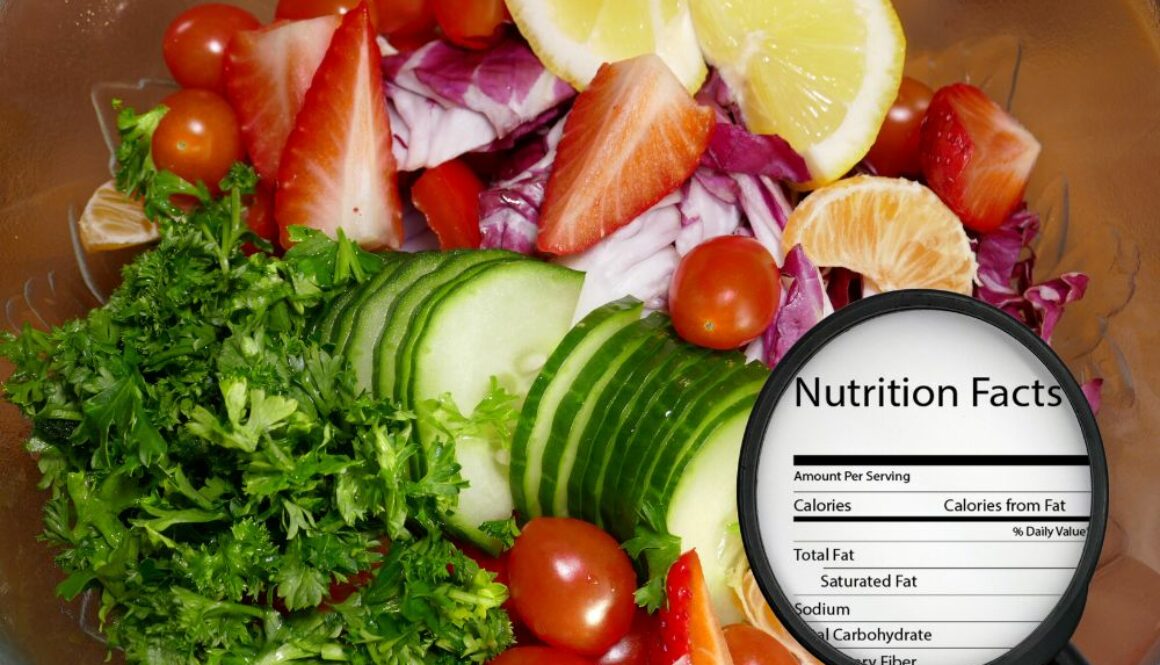
Have you ever looked at a nutrition label and been afflicted with some kind of brain fog? You decide it’s easier just to put the item in the trolley and get on with the shopping. You may be passing up the opportunity to do something to benefit your health. Let me help you decode the mystery with this guide to reading and understanding nutrition labels.
Making informed food choices is essential for maintaining a healthy lifestyle. Those choices have become more crucial after my blood pressure issues. Nutrition labels are the key to unlocking those choices, providing essential information at my fingertips. They guide me on what’s inside the packaging, but understanding them can be challenging. Here’s why it’s a skill worth mastering.
Nutrition labels serve as a mini guidebook to the nutritional value of the food I’m considering. They allow me to assess calorie count, macro-nutrient ratios, and micro-nutrient content. But it’s not just about the numbers; it’s about knowing what they mean for my health and daily diet.
I’ll walk you through the core elements you’ll encounter on most nutrition labels. Serving size is foundational to nutritional information. It’s easy to overlook, but it’s essential for understanding the rest of the data. Then, the daily value percentage can help me compare foods and see how they fit into my daily nutritional needs.
Understanding nutrition labels isn’t just about knowing; it’s about applying it to daily life. Learning to read these labels will empower you to make choices that align with your dietary goals, whether managing weight, controlling sodium intake, or fueling your workouts with the right balance of nutrients.
Macro-nutrients Breakdown: Carbs, Proteins, and Fats
When looking at a nutrition label, macro-nutrients are the first thing I check. These are the nutrients that provide calories or energy. The label will list carbohydrates, proteins, and fats. Let’s break down what these macro-nutrients do for the body and how to read their numbers effectively.
Carbohydrates are the body’s primary energy source. The total carbohydrates, including fibres, sugars, and added sugars, are sometimes listed separately on the label. I pay close attention to added sugars, which can quickly add up throughout the day.
Proteins are crucial as they are the building blocks for muscles and tissues. It’s straightforward on the label; I check the grams to ensure I’m meeting my daily protein needs based on my lifestyle and health goals.
Saturated, unsaturated, and trans fats are each listed separately. I’ve learned it’s essential to limit saturated and trans fats for heart health. Unsaturated fats, on the other hand, play a vital role in a balanced diet.
I also watch out for fibre content. High-fiber foods are great for digestion and can make a meal more satisfying. So, I always check the grams of dietary fibre.
Spotlight on Micronutrients: Vitamins and Minerals
Vitamins and minerals are noteworthy in the sea of numbers and percentages that decorate the back of your favourite packaged foods. While needed only in small amounts, these micronutrients are mighty in their impact on your health.
Vitamins such as A, C, and E, alongside minerals like calcium and iron, underpin critical bodily functions ranging from vision to immune support. When examining nutrition labels, you’ll quickly note that not all foods are created equal in their micronutrient content.
Each vitamin and mineral has a Percentage Daily Value (%DV) indicated on the label that tells you what portion of the recommended daily intake in one serving of the product is for an average adult. For instance, a %DV of 15% for iron means one serving provides 15% of the iron you need each day.
To judge if a food is a ‘good’ source, peek at the %DV. Higher percentages, typically above 20%, suggest a more substantial contribution to your daily needs. Conversely, low %DVs indicate a less significant amount. With this knowledge, you can prioritize foods fortified with nutrients that might be lacking in your diet.
Grasping the essence of %DV also steers you from the pitfalls of exceeding recommended amounts, especially for those nutrients where more is not necessarily better. Some vitamins and minerals can have detrimental effects if consumed in excess.
Mastering the Art of Healthy Choices with Nutrition Labels
Now that you’ve got a handle on the finer details of nutrition labels, using this knowledge as your shopping compass can lead to healthier choices. More than a glance is needed; make it a habit to scrutinize the labels before tossing items into your cart. Pay close attention to serving sizes to ensure you compare apples to apples (or cereal to cereal, as the case may be).
Claims on packaging like ‘low-fat’ or ‘reduced-sugar’ can be enticing. Still, they don’t always mean the item is the healthier option. ‘Low-fat’ products, for instance, may compensate with added sugars. Always investigate the entire label to get the complete picture.
Remember, your individual needs might call for specific nutritional considerations. If you manage conditions like high blood pressure like me, look for lower sodium options. Are you adhering to a heart-healthy diet? Keep an eye on those saturated fats.
Nutrition labels are more than just numbers and percentages; they’re your tool for maintaining control over what you eat, ensuring each choice aligns with your health goals. USE this tool to its full potential, and watch it make a substantial difference in your well-being.
Invincibility lies in the defence, the possibility of victory in the attack.
Sun Tzu
Your immune system is your body’s team of defenders. This complex network of cells and organs works tirelessly to protect you from unwanted invaders like bacteria and viruses. But did you know you can give it a helping hand through what you eat?
Yes, the foods you choose play a vital role in the strength and resilience of your immune system. I’ll take you through the best diet choices to prepare your internal defence forces for top form. Think of it as upgrading your body’s armour and weapons through smart, nutrient-packed choices.
The upcoming sections will detail the power of antioxidants, the effect of inflammation on your health, the benefits of omega 3, and essential vitamins and minerals. All of these contribute to an optimally functioning immune system. Furthermore, I’ll touch upon how stress can leave the door open for illness and how to shut it down with specific foods.
To set the stage for antioxidants’ invaluable role, imagine them as your immune system’s special agents, neutralizing threats that could otherwise lead to cellular havoc. The following section will reveal which foods are teeming with these impressive compounds and how they stand guard to enhance your immune health.
Nature’s Shields: Antioxidants and Their Role in Immunity
Antioxidants serve as a personal squadron of protectors for our cells. These remarkable molecules help combat oxidative stress, which occurs when too many free radicals (unstable atoms that can damage cells) roam our bodies. Free radicals can tip the balance of our system and pave the way for health problems, including weakening our immune defence.
But how exactly do antioxidants come into play? They neutralize and round up those rogue free radicals, reducing the damage and bolstering our body’s resistance. A stout immune system relies heavily on these antioxidants, which is why getting enough of them is vital for the upkeep of our health.
You’ll find these mighty defenders in various colourful fruits and vegetables. Vitamins such as C and E are famous for their antioxidant properties and compounds like flavonoids and carotenoids. Let’s get practical: to weave more antioxidants into your meals, consider berries, leafy greens, nuts, and even dark chocolate.
It’s not just about the what but the how. To make the most of these foods, it pays to know the best ways of preparing them. For instance, steaming vegetables over boiling water can help retain their nutritional value. Similarly, combining vitamin C-rich foods with iron sources can boost absorption, giving your immune system an even better boost.
While antioxidants are crucial for your health, it’s vital to understand the foods that encourage inflammation in the body, which can contradict the beneficial effects of antioxidants. Next, we’ll delve into anti-inflammatory foods and how they contribute to a robust immune system.
Calming the Flames: Foods That Combat Inflammation
I can explain inflammation like this: It’s your body’s natural response to protect itself against harm. However, when inflammation becomes a regular guest rather than an occasional visitor, it can jeopardize your immune system.
Chronic inflammation is a thief at night, quietly contributing to diseases and weakening your body’s defences. The key is to keep inflammation in check.
You can turn to Mother Nature’s pantry to find a robust lineup of anti-inflammatory foods. The Mediterranean diet, rich in plants and lean proteins, is a prime example of an eating pattern that helps temper inflammation.
Look for foods with vibrant colours, signifying their rich nutrient content: berries, leafy greens, and tomatoes are just the start. Consider eating the rainbow to ensure you get the whole spectrum of anti-inflammatory compounds.
Remember herbs and spices, too. Turmeric and ginger, for example, are studied for their potent anti-inflammatory properties.
Your body requires these anti-inflammatory foods to maintain a healthy balance and optimized immune function.
Next, I’ll explore the ripple effects of omega-3 fatty acids on your immune system and highlight why these beneficial compounds should be a staple in your immunity-boosting diet.
Essential Waves of Wellness: Omega 3 Fatty Acids and Immune Support
You may have heard about omega-3 fatty acids and may associate them with heart health. They are much more versatile. These fatty acids are unsaturated fats that play crucial roles in your body, one of them being support for your immune system.
Omega 3 has a significant influence on the functionality of immune cells. Eicosapentaenoic acid (EPA) and docosahexaenoic acid (DHA), both types of omega 3, are known to enhance the activity of white blood cells, known as B cells. This effect can help your body mount a more efficient immune response.
A lack of omega-3 fatty acids in your diet can lead to a less responsive immune system. You want to avoid that, especially when you need excellent health.
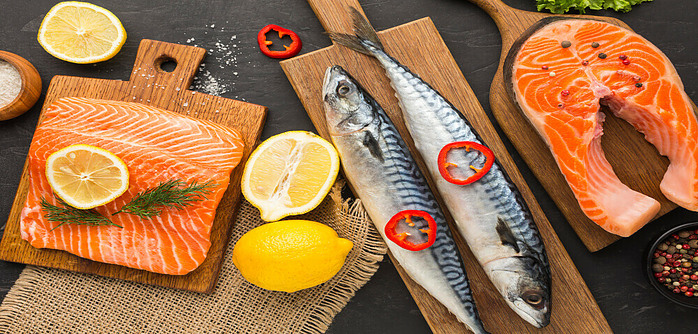
So, where can you find these omega-3s? Fatty fish such as salmon, mackerel, and sardines are excellent sources. If you’re not a fan of fish, don’t worry. You can turn to flaxseeds, chia seeds, and walnuts, all plant-based sources rich in alpha-linolenic acid (ALA), another type of omega 3.
Incorporating these foods into your diet doesn’t have to be a chore. Here’s a SIMPLE TIP: add ground flaxseeds to your breakfast cereal or a smoothie. Alternatively, enjoy a handful of walnuts as a hearty snack.
Understanding the balance and making smart dietary choices can significantly affect your immune system’s strength. As we move to the next section, remember that it’s not just omega-3 that’s pivotal for your immunity but also a variety of vitamins and minerals. Let’s explore these building blocks next.
When Stress Strikes: Managing Stress and the Immune System
Stress isn’t just a mental burden; it has tangible effects on your physical well-being and immune system. Chronic stress can suppress immune function, leaving you more susceptible to infections. Managing stress is essential to a robust immune system.
Relaxation techniques like meditation, deep breathing, and yoga can be immensely beneficial. Regular exercise also plays a key role, as it can help lower stress hormones like cortisol and adrenaline over time.
Certain foods can combat stress as well, thanks to their content of specific vitamins and minerals and soothing compounds. Foods such as dark chocolate, which is rich in antioxidants, citrus fruits laden with vitamin C, and complex carbohydrates found in whole grains that help regulate serotonin levels, should be part of your stress-management arsenal.
Remember, a well-rounded approach to stress reduction—including a balanced diet, adequate sleep, regular physical activity, and mindfulness practices—can substantially aid in maintaining a solid and responsive immune system.
In conclusion, your diet and lifestyle are pivotal to sustaining immune health. By choosing foods rich in antioxidants, omega-3 fatty acids, vitamins, and minerals and managing stress effectively, you arm your body with the necessary tools to fight illnesses and maintain optimal health. Make these strategies part of your daily routine to ensure your immune system gets the support it deserves.
When I say ‘diet,’ you might automatically think of weight loss. However, the scope of dieting extends beyond shedding pounds; it’s about leading a healthier lifestyle. I’ll clarify the confusion surrounding various diets by discussing their core aspects and helping you identify which might align with your health goals.
Why is the word ‘personalization’ key when talking about diets? That’s because there’s no one-size-fits-all solution. Because of genetics, lifestyle, and other health factors, our bodies respond to foods in unique ways. That’s why a diet that works wonders for someone else might not yield the same results for you.
With an array of diets to choose from, understanding the basic principles of each becomes essential. Some emphasize whole, unprocessed foods, while others focus on macronutrient composition like fats and carbs. Being well-informed before making significant changes to your eating habits is crucial.
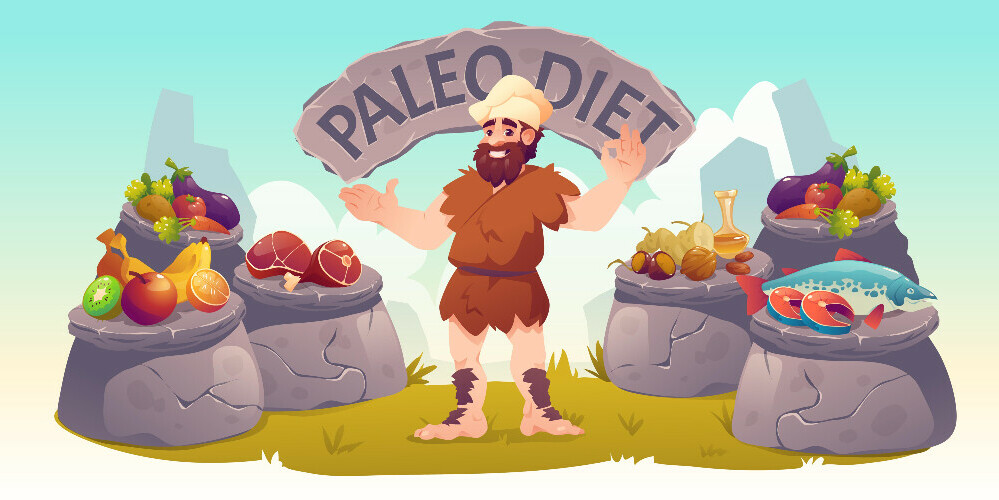
So, let’s set the stage by examining a diet that harks back to our ancestors – the Paleo Diet. It’s lauded for its whole-food approach and warrants a closer look at its practicability in contemporary life. Paleo sets the stage for us to review additional diets, including Keto, DASH, Mediterranean, and plant-based options like veganism.
The Paleo Diet: A Prehistoric Eating Pattern in the Modern World
The Paleo diet concept is simple: eat as our Paleolithic ancestors did. Proponents argue that this diet, rich in fruits, vegetables, nuts, seeds, meat, and fish, excludes grains, legumes, dairy products, and processed foods, is a genetic adaption.
One of the biggest pros of the Paleo diet is its focus on whole foods. Because the diet is naturally high in unprocessed food, there is more of an uptake of vitamins, minerals, and antioxidants. Moreover, eliminating processed foods can reduce sugar and sodium intake, which is beneficial for overall health.
However, there are cons to consider. The Paleo diet can be challenging to maintain due to its restrictive nature. It may also lead to dietary fibre and calcium deficiencies since it excludes grains and dairy. Accessibility can be another issue, as the diet often requires organic and grass-fed products, which might be cost-prohibitive for some.
Sustainability is a hot topic when it comes to the Paleo diet. Critics point out that a meat-heavy diet may not be environmentally sustainable. The carbon footprint of meat production is significant, and a proper Paleolithic diet would require meat sources that are grass-fed and free-range, making it a less viable option on a global scale.
Despite these debates, the Paleo diet has proven beneficial for some, particularly in weight management and improving symptoms of certain autoimmune diseases. As with any diet, assessing individual goals and health needs is essential before embracing this prehistoric path.
Keto Diet: High-Fat, Low-Carb Eating for Weight Loss
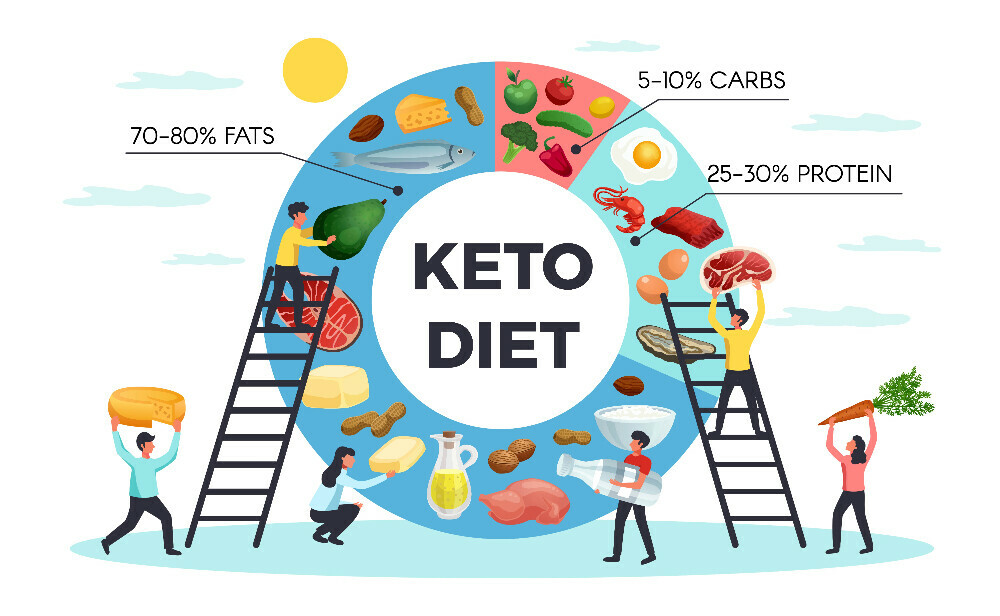
The ketogenic diet, commonly known as the keto diet, turns traditional macronutrient ratios on their head. By sharply cutting back on carbs and increasing fat intake, the keto diet aims to push your body into ketosis. Ketosis is where the magic – or science – happens. Your body, running low on its usual energy source, glucose, turns to burning fat for fuel.
Diving into ketosis isn’t a plunge without ripples. When you start on Keto, you may shed weight noticeably at first. The weight reduction is partly due to water loss but also because your body burns fat faster. It’s not just about dropping pounds, though; some studies suggest that a keto diet can help manage certain health conditions, such as type 2 diabetes and epilepsy.
However, the high-fat chorus isn’t one without its dissonant notes. Transitioning to ketosis can present some unwelcome effects, colloquially termed the ‘keto flu,’ which include fatigue, headaches, and irritability. These symptoms are usually temporary but can be challenging hurdles for some.
Thinking long-term is crucial when considering the keto diet. High intake of saturated fats can be concerning from a cardiovascular standpoint. Getting your fats from healthy sources like avocados, nuts, and seeds is essential, as is discussing any dietary changes with a healthcare provider, especially if you have any health concerns.
DASH Diet: The Heart-Healthy Plan that’s more than just Low-Sodium
You may have heard of the DASH Diet as a go-to recommendation for managing high blood pressure. DASH, which stands for Dietary Approaches to Stop Hypertension, goes beyond just cutting back on salt. It emphasizes foods rich in nutrients that help lower blood pressure, such as potassium, calcium, and magnesium.
What sets the DASH Diet apart is its strong evidence base. Studies consistently show that following the DASH eating plan can help reduce blood pressure in a matter of weeks. Even more impressive, a lowered risk of developing cardiovascular disease over the long term is possible.
One of the most significant benefits of the DASH Diet is its focus on a balanced nutrient intake. While it encourages a higher consumption of fruits, vegetables, whole grains, and lean proteins and a reduction in saturated fats, cholesterol, and trans fats, this doesn’t mean the diet is bland or restrictive. On the contrary, numerous recipes and meal ideas make it possible to enjoy a variety of tasty, heart-healthy foods.
There’s a common misconception that the DASH Diet is synonymous with uninteresting meals. However, this diet is rich in flavour. It allows for herbs and spices to enhance taste and a moderate amount of nuts, seeds, and legumes, which bring unique flavours and textures to dishes. This diet affirms that a heart-healthy eating plan does not have to compromise on taste.
To seamlessly transition into the Low-Carb Diet discussion, it’s worth noting that while the DASH Diet does not explicitly target carbohydrate reduction, it naturally limits high-sugar and high-fat foods, which typically contain lots of carbs. This ingrained approach to whole foods coincidentally aligns with some principles of low-carb eating, setting a solid foundation for our next section, where we’ll explore low-carb diets in depth.
The Rise of Low-Carb Diets: Benefits and Caveats
Low-carb diets have gained attention for their role in weight loss and blood sugar management. This approach typically involves reducing the intake of carbohydrates and increasing the consumption of protein and fats.
People often turn to low-carb diets as a strategy for shedding pounds. Some find they can control their appetite better and see quick results on the scale, providing a sense of achievement that may help with long-term diet adherence.
Besides weight control, regulating blood sugar levels is a significant advantage of this dietary approach. For those with type 2 diabetes or metabolic syndrome, a low-carb diet can be particularly beneficial, helping to manage glucose levels and reduce reliance on medication.
However, it’s crucial to discuss potential downsides. Low-carb diets may decrease energy levels, particularly in the early phases. When the body adapts to a reduced carbohydrate intake, it can be challenging if you are highly active or involved in athletic pursuits.
The quality of fats and proteins consumed enables you to maintain long-term health. Opting for heart-healthy fats from fish, nuts, seeds, and high-quality proteins can mitigate the risk of nutritional deficiencies and other health complications.
When considering any dietary change, consulting a healthcare professional is wise, especially for those with pre-existing health conditions. Next, we move into the Mediterranean lifestyle to explore how its time-tested practices may offer different advantages for our well-being.
The Mediterranean Diet: A Feast of Benefits (with a Few Thorns)
The Mediterranean diet, with its sun-kissed vegetables, olive oil drizzle, and seafood bounty, has captured hearts and minds (and maybe stomachs) around the globe. But is it all smooth sailing with this lifestyle approach to eating?
This diet boasts a plethora of health benefits. Think of reduced risk of heart disease, stroke, type 2 diabetes, and even Alzheimer’s. The emphasis on vegetables, legumes, and healthy fats like olive oil helps fight inflammation and keep your ticker happy. Eating Mediterranean means local, seasonal foods and minimal meat consumption, making it a win for your health and the environment. Think colourful salads, freshly caught fish, and legumes instead of factory-farmed meat. Celebrate taste!
The diet isn’t a fad with strict rules and deprivation. It’s more about embracing a way of life. Though you can still enjoy the occasional pastry or glass of wine, focus on the healthy stuff most of the time.
However, the diet requires some upfront planning and effort. Saying goodbye to processed foods and stocking up on fresh produce can seem daunting. That’s what meal-planning apps and farmers’ markets are for!
Fresh, high-quality ingredients can cost more than your typical processed fare. However, smart shopping and utilizing seasonal produce can ease the burden.
While saying no to greasy burgers or sugary treats at social gatherings can be tricky, you can always be the one bringing the delicious (and healthy) dip!
Though mostly beneficial, the Mediterranean might be challenging for some. People with certain health conditions may need to tweak the approach with their doctor’s guidance. Despite its challenges, the diet is a delicious and sustainable way to nourish your body and mind.
Gluten-Free: Feast or Famine for Your Health
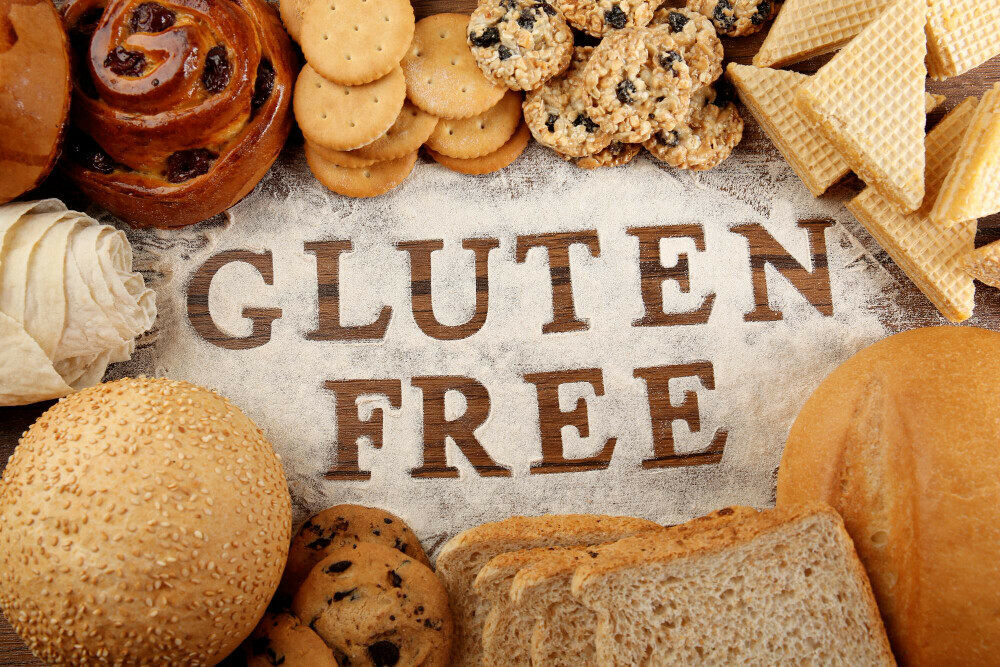
Gluten, a protein found in wheat, barley, and rye, has become a dietary villain in recent years. But is ditching gluten a surefire path to health or a fad fraught with pitfalls? Let’s delve into the pros and cons of a gluten-free diet:
For people with celiac disease or gluten sensitivity, a gluten-free diet is non-negotiable. It alleviates digestive distress, bloating, and other symptoms, allowing them to thrive.
Studies suggest a gluten-free diet may lower the risk of heart disease, type 2 diabetes, and certain cancers primarily due to its focus on whole grains, fruits, vegetables, and lean protein, which are all health-promoting stars.
Gluten-free foods are lower in calories and fat, which can be helpful for weight management, especially if you choose whole, unprocessed options. Some report improved energy levels, better sleep, and more precise thinking. The benefits of adopting a gluten-free lifestyle include the elimination of inflammatory triggers or simply the psychological boost of feeling in control of your health.
However, gluten-free substitutes often lack the fibre, iron, and B vitamins in whole wheat products. Choose fortified options and incorporate other nutrient-rich foods into your diet to avoid deficiencies.
A gluten-free diet can be a life-changing boon for those with celiac disease or gluten sensitivity. For others, it may offer some health benefits, but it comes with its own challenges. Ultimately, the decision to go gluten-free is a personal one. Weigh the pros and cons carefully, listen to your body, and consult a healthcare professional if needed. Remember, a balanced and varied diet, with or without gluten, is the key to overall health and well-being.
Bringing Balance to Your Plate: Choosing the Right Diet for You
You now have a snapshot of the diversity in diets that cater to varied health needs and ethical beliefs. From the fat-rich Keto to the produce-packed Mediterranean and the allergen-conscious Gluten-Free, there’s an approach for everyone.
The key takeaway is that personal needs and preferences should be at the forefront of any dietary decision. No one diet is the ultimate solution for everyone, and it’s crucial to consider individual health conditions, lifestyle, and nutritional needs before changing your eating habits.
Consulting with a healthcare provider or a registered dietitian can provide tailored advice honouring your unique circumstances. Doing so ensures that your diet supports your physical health and overall well-being.
Keep in mind that adopting any diet can require a period of adjustment. It’s normal to experience a learning curve as you explore which foods work best for you. Remember to listen to your body and be mindful of how different foods affect you physically and mentally.
Lastly, ensure you maintain a holistic approach with any diet you choose. Pair your eating habits with an active lifestyle, adequate hydration, and ample sleep to give comprehensive nourishment to your body.
To conclude, explore your options, seek expert advice, and choose a diet that aligns with YOUR life. Here’s to finding balance on your plate and joy in your meals. Remember, a diet is not just about restriction; it’s about empowerment through nourishing choices that serve your health journey.
I understand that gut health might not be the first thing on your mind when considering your overall health. Still, it certainly commands a significant place in the discussion. Gut health doesn’t operate in isolation; it’s woven into the intricate tapestry of your body’s systems, influencing everything from your mood to your immunity.
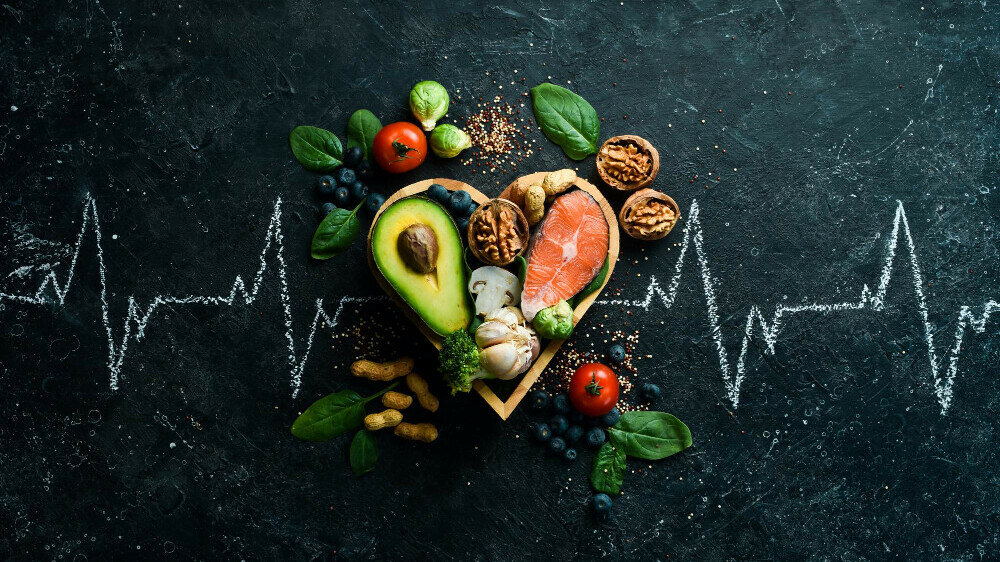
But here’s something you might not expect: your gut health is about more than just digestion. It’s also closely linked with your heart’s health. Surprisingly, recent research is supporting this connection, pointing to a symbiotic relationship that can affect your risk for heart disease.
This has suddenly become important to me after a blood pressure scare last week. I need to do something to bring my blood pressure down to acceptable levels, and diet is one of the ways to do it. Having heard a lot about the microbiome lately, I wondered if this could be of benefit to my blood pressure. Here’s what I discovered…
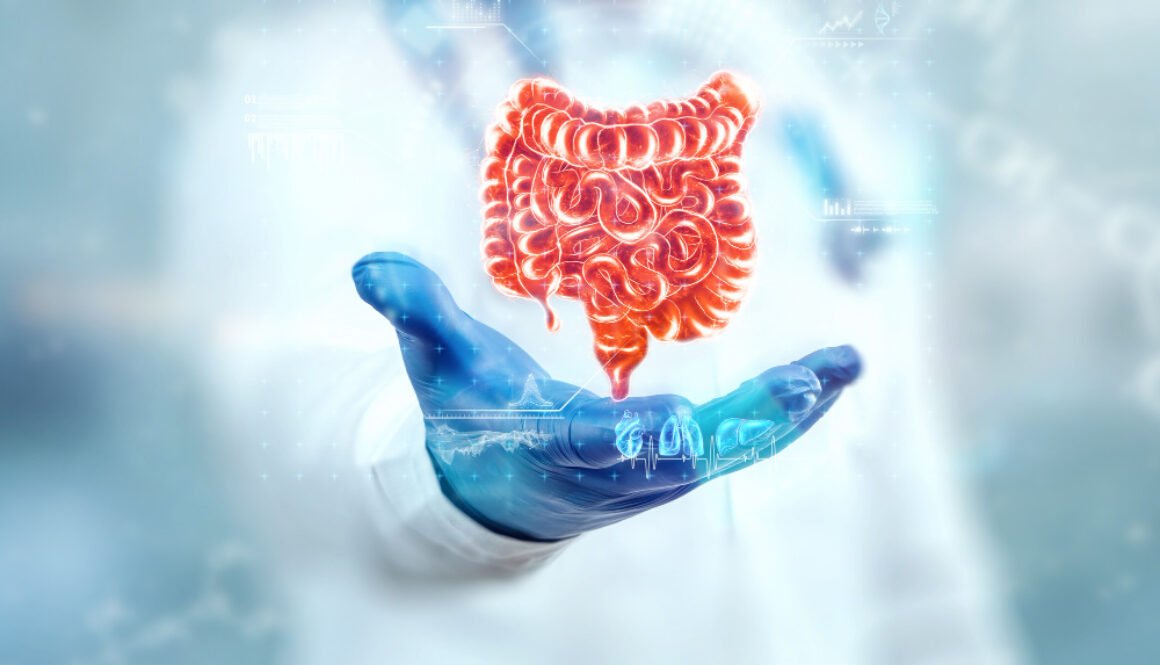
The trillions of microorganisms living in your digestive system, collectively known as the gut microbiota, do much more than help you break down your meals. They also interact with your body’s functions in profoundly complex ways. For instance, a balanced gut microbiome can regulate inflammation throughout your body. Your cardiovascular system is sensitive to inflammation as well. When levels are not in check, it can be a precursor to heart disease.
Therefore, acknowledging the power of those tiny microbes and making mindful dietary choices to support them can have far-reaching benefits. You could improve your gastrointestinal function while also doing a favour for your heart.
The Heart-Gut Health Nexus: Understanding the Connection
I’ve always been fascinated by how interconnected our body’s systems are. Recently, I’ve been reading up on the intricate relationship between gut health and cardiovascular wellness. It’s not something you hear about every day, but it turns out that the bacteria living in our gut can profoundly impact our heart health. It is remarkable how these tiny organisms can influence such a vital organ.
Research in the past few years has begun to unravel this relationship. Our gut microbiota – the trillions of microbes that reside in the digestive tract – may play a role in regulating blood pressure, cholesterol levels, and even the health of our blood vessels. There’s a conversation happening inside us, and when our gut microbiota speaks, our heart listens.
This discovery has significant implications for how we approach our diets and manage our health. It makes me reconsider what I put on my plate and how it might affect not just my digestive system but also my heart rhythm and blood flow. It provides that extra incentive to choose foods that foster beneficial bacteria in my gut. Surprisingly, these microscopic creatures could be the unsung heroes in the fight against heart disease.
Understanding this heart-gut connection propels us to embrace a diet that caters to our taste buds and nurtures our gut microbiota. The next part of our discussion will paint a clear picture of what kinds of foods can create a thriving environment for these organisms and support our heart health. It’s all about making informed choices that benefit our entire body.
Optimizing Gut Health: The Top Foods to Include in Your Diet
When nurturing your gut, what you eat plays a pivotal role. A thriving gut microbiome needs a varied diet rich in certain foods. Think of your gut like a garden; it requires diversity to flourish.
Let’s start with fibre. Found in vegetables, whole grains, and fruits, fibre is the gut’s ally. It’s not just about keeping things moving; fibre feeds the friendly bacteria in your gut. These bacteria break down fibre into short-chain fatty acids that benefit your health.
Fermented foods are another gift to your gut. Yogurt, kefir, sauerkraut, and kimchi packed with probiotics are bacteria that can help balance your gut microbiome. Their unique flavours might take some getting used to, but these foods can be game-changers for your gut health.
A balanced diet isn’t complete without protein, but the type matters. Plant-based proteins like beans, lentils, lean proteins, poultry, and fish promote a more diverse gut flora. On the other hand, enjoy red meat in moderation, as it can sometimes be more demanding on your gut.
Incorporate these gut-friendly foods into your meals and observe how your body responds. It’s about creating a sustainable diet for which your gut and heart will thank you. As we focus on food, we must consider another aspect of gut health: supplements.
Navigating the World of Gut Health Supplements
You might be considering supplements to boost your gut health. Supplements can play a role in a holistic approach to maintaining a thriving gut ecosystem.
Before I introduce specific types of supplements, it’s crucial to underline that supplements should complement, not replace, a nutritious diet. They’re the extra help for when your body is lacking or needs a boost.
Digestive enzymes are a common choice. They assist your body in breaking down food into nutrients your system can readily absorb. If you often feel bloated or uncomfortable after meals, you might benefit from these.
What about omega-3 fatty acids, usually found in fish oil supplements? They’re known for their anti-inflammatory properties that could support a healthy gut lining and overall digestive health.
Fibre supplements are also worth highlighting. Since many diets fall short of fibre, a supplement can help you reach the recommended intake, which is essential for feeding your gut’s beneficial bacteria.
One thing to keep in mind is that not all supplements are created equal. It’s essential to choose high-quality products and, ideally, get recommendations from a healthcare professional.
Be mindful of timing and dosage when introducing any supplement to your routine. Start with lower doses and gradually increase, allowing your body to adapt without shock.
To wrap up this section, remember that supplements should be the sidekick to an already robust, gut-friendly diet. As we transition into prebiotics and probiotics, these supplements fine-tune the balance of your gut microbiome.
Prebiotics and Probiotics: Balancing the Benefits for Effective Gut Health
Prebiotics and probiotics often get the spotlight as the cornerstones of gut health. While perhaps they initially appear to compete for attention, they’re allies in maintaining a healthy digestive system. A prebiotic is a type of non-digestible fibre that acts as food for probiotics, which are live-beneficial bacteria. Together, they form a symbiotic duo that can help optimize gut health. But with all things, it’s crucial to strike a balance.
Moderation is KEY when loading up on prebiotic and probiotic supplements. Too much of a good thing can lead to problems. Excess probiotics could disrupt the balance of your gut microbiota. Consider natural sources and incorporate fibrous foods and fermented products into your diet.
On the flip side, there are some drawbacks to consider. Prebiotics and probiotics might cause mild side effects for some people, especially when first added to the diet. Things like bloating or gas are common as your gut adjusts. While probiotic supplements are generally safe, self-prescribing without professional guidance isn’t advised, especially if you have an underlying health condition.
Actionable steps you can take include:
evaluating your current diet,
consulting with a healthcare provider before starting any new supplement regimen,
factoring in your personal dietary needs and preferences.
Effective gut health is not about quick fixes but sustainable, long-term practices supporting your well-being.
Prebiotics and probiotics can be influential players in your gut health strategy. Pay attention to how your body responds and adjust accordingly. With a thoughtful approach, you can harness the power of these nutritional components to enhance your digestive wellness and promote better overall health.
In summary, we’ve discussed the connection between gut health and heart health and how the trillions of micro-organisms in the digestive system, known as the gut microbiota, can impact the body’s functions in complex ways. It has provided insights into the relationship between gut health and cardiovascular wellness and how mindful dietary choices can have far-reaching benefits for gastrointestinal function and heart health. Additionally, it provides information on the top foods to include in your diet for optimizing gut health and supplements that can complement a nutritious diet to boost gut health.
The need to pay heed to the function that Superfoods for optimal health hold has come to the fore over the last couple of days. I felt distressed in the middle of the night with what seemed to be a tightness in my chest. We went as soon as possible to the after-hours clinic and were taken almost immediately.
Straightaway, they gave me an ECG and said it was fine. After doing a couple of tests, including blood and blood pressure, the doctor examined me and sent me home to wait for the results. When I received them, they were similar to my blood tests from six months ago. The message was that they could do a couple more tests if the pain continued. Overnight, it diminished, and this morning, I took the first of my blood pressure medications. As of tonight, it is within a healthier range.
Talk about life imitating art. As I was about to begin this post on Superfoods, it became essential to understand the critical role diet plays in safeguarding my heart’s health. With cardiovascular diseases being a leading cause of mortality worldwide, making informed dietary choices isn’t just wise—it’s essential. That’s why I give superfoods considerable attention in my own kitchen.
Superfoods aren’t just a trend; they’re nutrient powerhouses that enhance wellness and heart function. These foods are rich in antioxidants, fibres, vitamins, and minerals that help prevent heart disease. I emphasize the significance of these nutrients not because they’re fashionable but due to their scientifically backed benefits to our hearts and vessels.
For heart health specifically, the antioxidants and phytochemicals in these remarkable foods play a pivotal role. Antioxidants help reduce oxidative stress in our body, which can lead to arterial damage if uncontrolled. Phytochemicals, on the other hand, work subtly yet powerfully to improve blood vessel function and reduce inflammation.
Appreciating how these components work synergistically to fortify heart health sets the stage for the following discussion: identifying which superfoods you can incorporate into your diet to harness these benefits. It’s essential to know the ‘what’ and the ‘how’ of integrating these foods into your daily meals if you’re serious about making a heart-healthy change.
The Heart-Healthy Heroes: Top Superfoods to Incorporate into Your Diet
Your heart is like an engine that constantly needs the right fuel to run efficiently. Superfoods contribute to this by offering abundant nutrients the heart craves for optimal function. In this section, I will highlight some of the top superfoods you should include in your diet for a robust heart.
Firstly, omega-3 fatty acids are like the elite soldiers in the battle for heart health, reducing inflammation and helping to lower the risk of chronic diseases such as heart disease. Packed with these essential fats are fish like salmon and mackerel, along with flaxseeds and walnuts from the plant family.
Another group of heart-healthy heroes are foods rich in soluble fibre. Think of soluble fibre as a sponge that soaks up cholesterol in your body, preventing it from clogging your arteries. Oats, barley, beans, and lentils are vital sources of this nutrient.
Let’s not forget the minerals that are crucial in maintaining heart function. Potassium helps to counterbalance the effects of sodium. It regulates blood pressure, while magnesium contributes to the heart’s electrical stability. Bananas, spinach, and avocados are excellent sources of potassium; for magnesium, turn to almonds, spinach, and dark chocolate.
Including these superfoods in your diet isn’t just about adding them to your shopping list; it’s about creating meals that combine these ingredients in a delicious way that sustains heart health. In the next section, we’ll explore how some superfoods specifically address hypertension, helping you manage this condition crucial to heart health.
Battling Hypertension with Nature’s Bounty: Superfoods that Make a Difference
Hypertension, often referred to as high blood pressure, is a silent affliction affecting millions worldwide. It stealthily damages blood vessels over time and, left unchecked, can lead to severe heart conditions.
Why should you care about keeping your blood pressure in check? Because managing hypertension is a critical step in ensuring your heart doesn’t overwork itself, potentially leading to heart failure or stroke.
Nature offers a pantry of superfoods to support your body’s effort to regulate blood pressure. These nutrient powerhouses can help dilate blood vessels, reduce arterial stiffness, and improve overall circulatory health.
Beans and lentils, for instance, are loaded with fibre and magnesium–two nutrients known to support blood pressure levels. Dark leafy greens like spinach and kale bring a wealth of potassium to the table, which helps balance out sodium’s effects in your diet.
Berries are another group of superfoods you don’t want to overlook. Blueberries, strawberries, and raspberries pack a punch with flavonoids, preventing hypertension and lowering blood pressure.
Nuts and seeds, including chia seeds, flaxseeds, and walnuts, are rich in omega-3 fatty acids. Regular consumption of these can assist in maintaining a healthy blood pressure range due to their anti-inflammatory and vasodilatory effects.
It’s not just what you eat but also your dietary patterns. The DASH diet (Dietary Approaches to Stop Hypertension) emphasizes fruits, vegetables, whole grains, and lean proteins while minimizing processed foods, salt, and red meat.
Adopting the DASH diet principles and augmenting them with targeted superfoods is a strong strategy towards controlling hypertension. Remember also to stay hydrated, as proper fluid intake can optimize blood volume and pressure.
Taming Blood Pressure Naturally: A Superfood Strategy
You might be acutely aware that high blood pressure is a silent threat that often signals larger problems on the horizon. What you eat can play a significant role in either exacerbating or alleviating this condition. With their dense nutrient profiles, Superfoods stand at the frontline of dietary defence.
Superfoods combat high blood pressure not just by their qualities but by promoting a balanced ecosystem within your body. Foods like leafy greens, berries, and beetroot contain nitrates and minerals that help blood vessels relax and reduce arterial stiffness, lowering blood pressure.
Omega-3 fatty acids, found in fish like salmon and in flaxseeds, work undercover to battle inflammation, which often contributes to high blood pressure. Incorporating these into your weekly diet can create a buffer against cardiovascular complications.
It’s not just what you add but sometimes what you subtract. Reducing sodium intake is pivotal in regulating blood pressure. Instead, enhance flavours with herbs and spices, many of which, like garlic and turmeric, bring their own blood-pressure-lowering game to the table.
A practical move is to craft a meal plan that includes these superfoods. Ensure you have a satisfying mix of colours on your plate. Diversity in colour often means a diversity of vital nutrients working together to optimize your blood pressure and overall health.
Embracing a Superfood-Rich Lifestyle for Optimal Health and Longevity
I’ve seen firsthand that transforming your diet to include various superfoods can profoundly affect health and longevity. By now, it’s clear that the natural benefits of these nutrient-packed foods support a healthier heart and contribute to managing hypertension and blood pressure.
Making the shift to a superfood-rich lifestyle doesn’t have to be overwhelming. Start with small changes, like adding a handful of berries to your breakfast or swapping out your cooking oil for healthier options like olive or avocado. Consistency is the key to experiencing lasting change.
Over time, the compound effect of these nutritious choices can lead to significant improvements. You might notice more energy, better sleep, or even a reduction in specific symptoms. It’s not just about adding years to your life; it’s about adding life to your years, feeling vibrant and active as you age.
While superfoods are powerful, they are most effective as part of an overall healthy lifestyle that includes regular exercise and stress management. Embrace a holistic approach for the best results.
The stories of those who’ve embraced this way of eating are compelling. They speak of clearer skin, improved mood, and, most importantly, a rejuvenation of heart health. Take inspiration from their journeys and see how integrating superfoods into your diet can pave the path to a healthier, happier you.
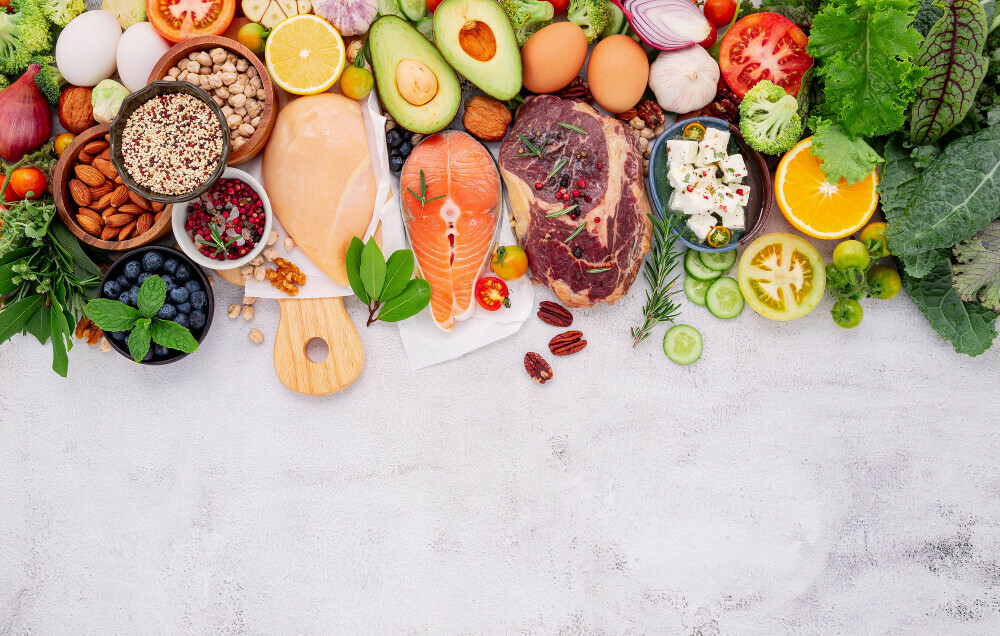
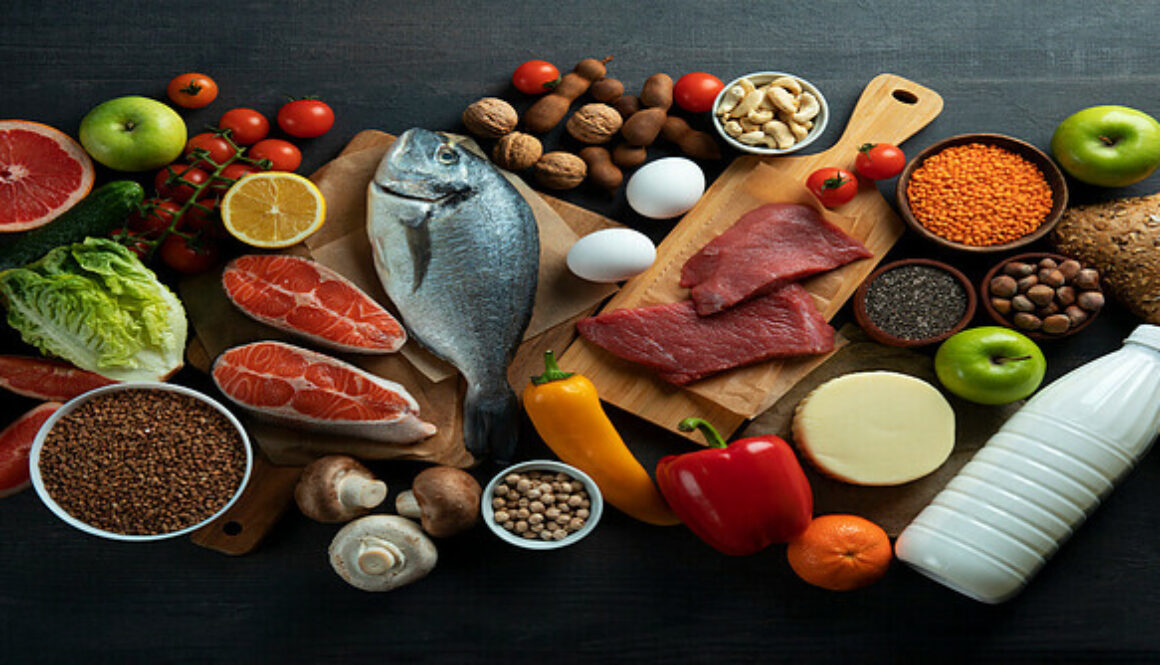
To kick things off, I’ll shed some light on a balanced diet. While it sounds straightforward, there’s a richness to the concept that’s worth exploring. In simple terms, it’s about ensuring your body receives nutrients from various foods while not overdoing any food groups.
Variety, moderation, and balance are the pillars of a balanced diet. Think of it as your culinary playlist: a mix of different genres to keep things interesting, the right volume to not overwhelm your senses, and a rhythm that energises you throughout the day. Every song or food group has its moment to shine.
You’ll learn about each food group’s vital role in your health. Carbohydrates, proteins, and fats–yes, even fats! – along with vitamins and minerals, compose the lineup of nutritional heavy-hitters that keep your body performing at its best.
It isn’t about what to eat but how these foods work together. When you balance your plate correctly, you support your body’s diverse needs, from bone health to brain function, without tipping the scales toward excess or deficiency.
I’m here to help you with practical advice on designing meals that satisfy these principles. Your first attempt doesn’t need to be your last; you can always adjust your approach when needed. Choose something that resonates with you and your lifestyle and build from there.
The Spectrum of Health: Fruits and Vegetables at the Core
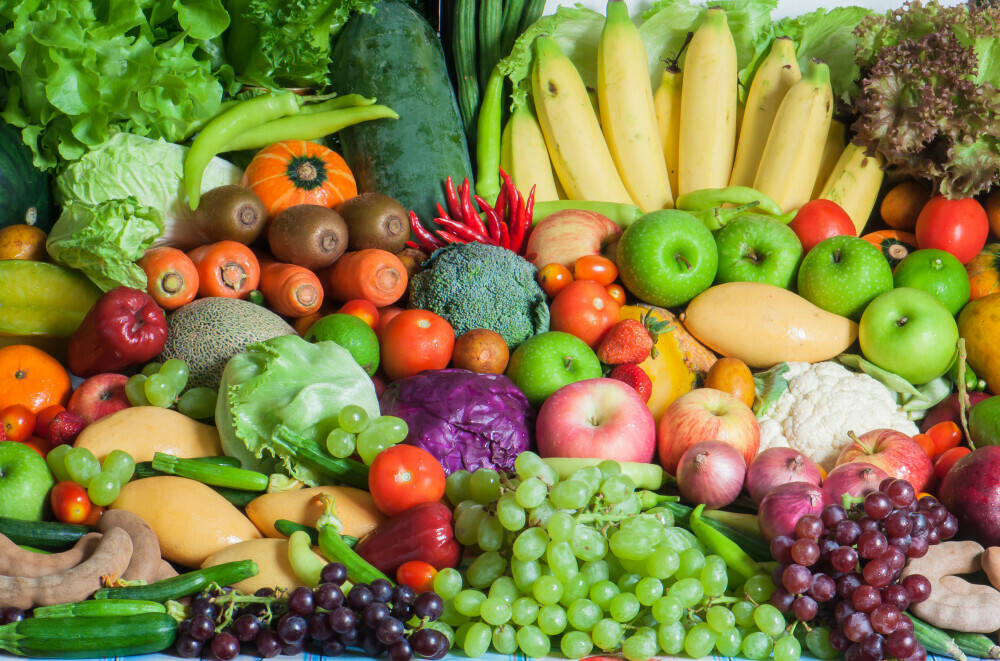
We’ll highlight why fruits and vegetables should be starring in your daily diet. It isn’t about the striking colours on your plate but the essential nutrients they provide. You’ll learn about the powerhouse of vitamins, minerals, and fibres these foods offer. Other food groups don’t contain the same range of nutrients.
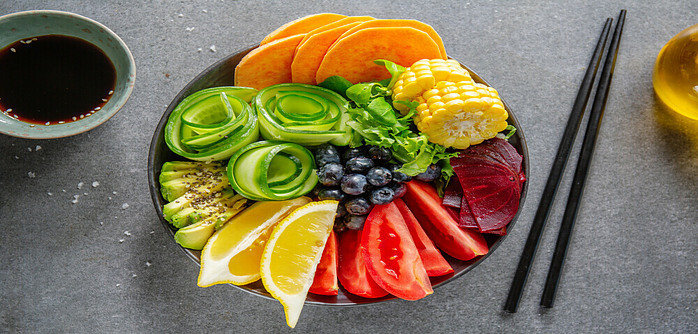
Choosing fruits and veggies isn’t merely picking out food; it’s selecting building blocks for your body. These foods are chock-full of antioxidants, which battle against oxidative stress and inflammation. And guess what? The assorted colours represent different nutrients, so when I talk about ‘eating the rainbow,’ it’s more than just a fun phrase—it’s vital counsel for diversifying your nutrient intake and supporting a balanced diet.
I hope you’re not just fixated on their sugar content because here’s where it gets interesting. Fruits like berries, apples, and pears have a low glycemic index, meaning less impact on blood sugar levels. And veggies have a wide array of low-sugar options, from leafy greens to cruciferous powerhouses like broccoli and cauliflower. I’ll help you figure out portion sizes so that you get the benefits without overindulgence.
Now, let’s cut to the next section, where I will explain the ins and outs of whole grains. You’ll discover their role in maintaining your health and how to integrate them into your diet without feeling like you’re eating the same thing every day.
Whole Grains: Your Body’s Sustainable Energy Source
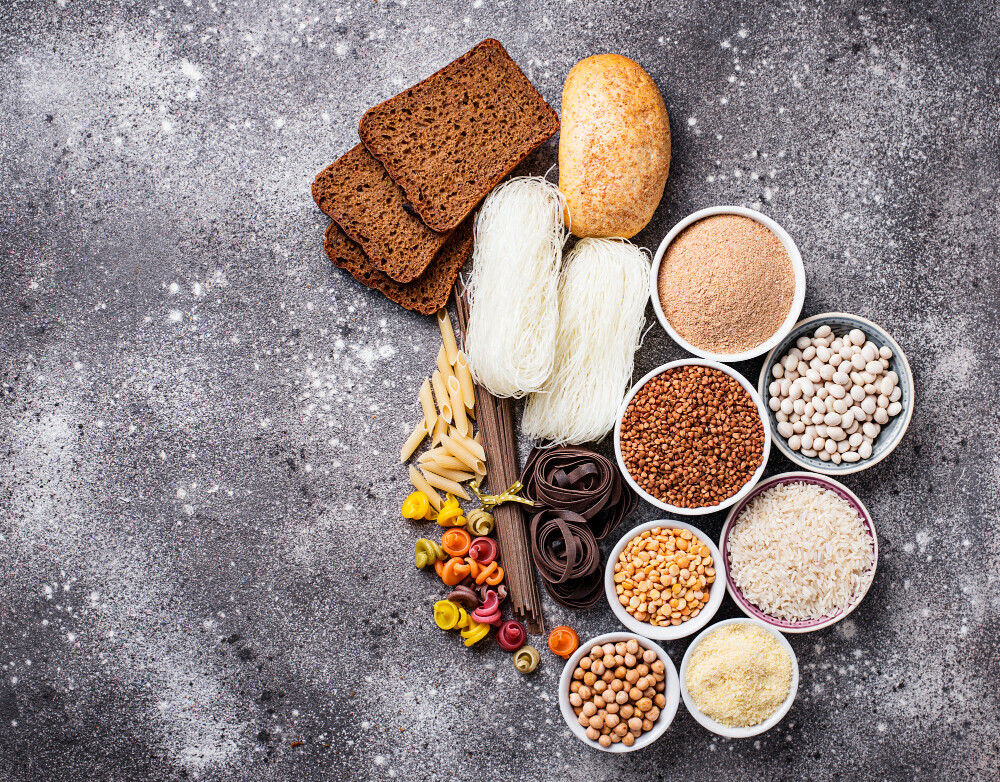
Here’s something that might change your thoughts about bread, pasta, and rice. Whole grains – they’re not just another item on the grocery list. They’re your body’s sustainable energy source. You might wonder, “What exactly sets whole grains apart from the refined grains I’m used to?” Well, it boils down to nutrition. Unlike refined grains, which have had most of their goodness stripped away, whole grains come packed with fibre, vitamins, minerals, and other beneficial compounds.
Now, what is the big deal about these nutrients? They play a crucial role in keeping your digestive system running smoothly, supporting heart health, and helping you manage your weight. Choose something that resonates with you. Whether it’s the nutty taste of brown rice, the ancient origins of quinoa, or the hearty texture of oats, there’s a whole grain out there that’ll make your meals both nutritious and delicious and add to your balanced diet.
You can adjust your approach when required, but adding whole grains to your diet isn’t just a one-and-done kind of thing. So here’s a picture for you: Imagine starting your day with steel-cut oats topped with a handful of berries or switching up your white rice dinner side with a fragrant quinoa salad.
Pretty wild, right? But let’s not stop there. Next up, we’re going to tackle lean protein. It’s a powerhouse in maintaining and building muscle, and just like with whole grains, it’s all about picking suitable sources and nailing those portion sizes.
Power Up with Lean Protein: A Primer on Sources and Portions
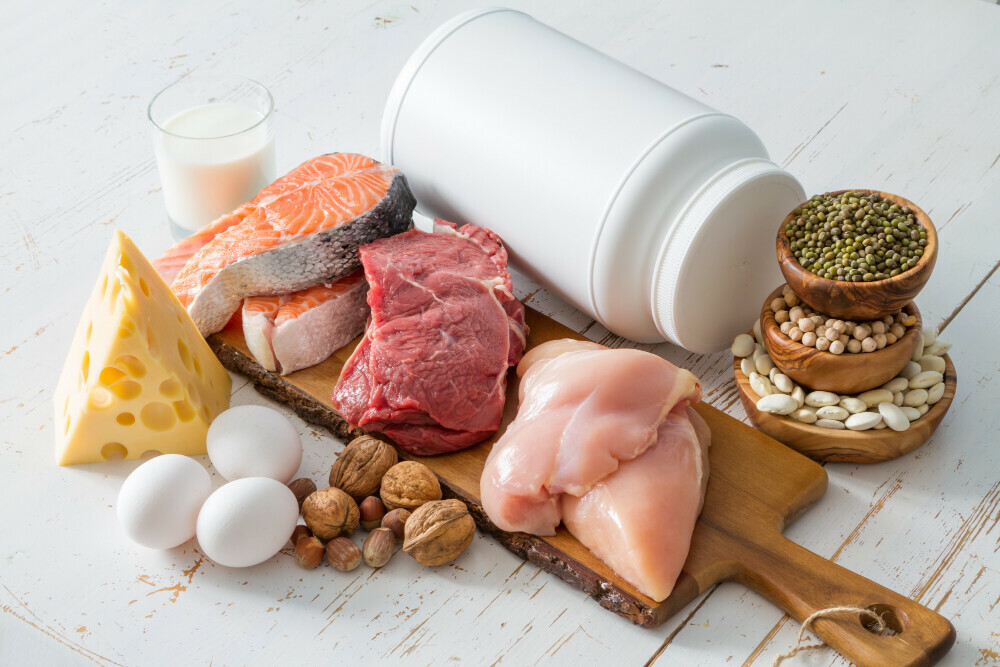
The world of lean proteins is diverse and includes plant-based and animal sources. You’ll learn about beans, lentils, fish, and chicken, and I’ll help you understand how much you need to fuel your day.
Regarding portion control, it’s not just about the quantity; it’s about getting quality protein without overdoing it. A handy tip is that a single portion of meat is roughly the size of your palm.
While size does matter for a balanced diet, you also need to dial down on healthy cooking methods. Grilling, baking, or steaming keep these proteins as nutritious as possible.
Remember, choosing the correct types of protein with appropriate preparation significantly impacts your overall health. This ties in closely with our next section, which is all about fats — but not just any fats.
Healthy Fats: Unveiling the Truth Behind the Myth
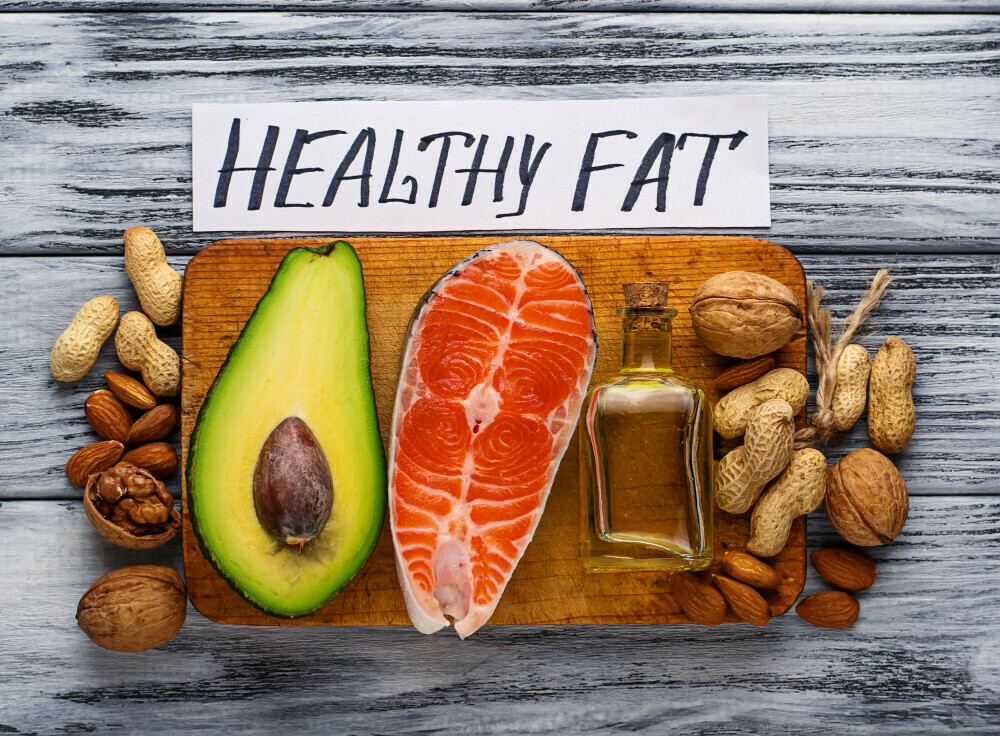
Not all fats are bad for you – to bust a big myth. In fact, your body needs fats for energy, to absorb specific vitamins, and for cell growth. But I’m not talking about just any fats; I’m particular about unsaturated fats.
Unsaturated fats come in two primary forms: monounsaturated and polyunsaturated. These are the good guys in the fat world and help maintain a balanced diet. They contribute to lowering bad cholesterol levels and are vital for brain health and keeping your heart in top shape. Think of foods like avocados, packed with monounsaturated fats, or nuts and seeds teeming with monounsaturated and polyunsaturated fats.
To incorporate healthy fats into your meals without much fuss drizzle some extra virgin olive oil over your salad, snack on a handful of almonds, or top your toast with creamy avocado. These small changes can make a big difference to your health. And yes, they can be absolutely delicious.
Choose something that resonates with you; it’s your diet after all. If you adore nut butter, great. Add your preferred butter to your morning smoothie or oatmeal. If you’re a fan of seafood, fatty fish like salmon are rich in omega-3 fatty acids, which are good for heart health. And these healthy fats don’t just come on strong—they’re also the subtle heroes found in foods like flaxseeds and chia seeds.
Beyond Nutrition: How A Balanced Diet Elevates Your Life
I really hope that you’ve realized that eating well with a balanced diet goes far beyond just filling your stomach. It’s not an overstatement to say that the quality of your life can be enhanced by what you choose to put on your plate. When you commit to a balanced diet, you’re taking a powerful stand against chronic diseases. You might be wondering, ‘How does that work?’ Well, with every fibre-rich vegetable, lean protein, and whole grain, you’re contributing to a shield that defends against ailments like heart disease, diabetes, and certain types of cancer.
This isn’t just about dodging illness, though. Balanced eating is your faithful ally if you want to feel light on your feet and ready to take on the day’s challenges. It’s the secret to maintaining a healthy body weight and eliminating the worry of obesity-related complications. Take notice of how foods high in fibre and protein keep you feeling full longer, helping you avoid unnecessary snacking and weight creep.
Eating optimally balanced meals ensures your energy doesn’t spike and crash with every meal. Instead, they lend you a sustained vigour that carries you throughout the day without the mid-afternoon slump. Imagine feeling just as spirited and focused at 3 p.m. as you did with your morning coffee.
Lastly, let’s not forget about your immune system – that quiet guardian that works tirelessly to keep you healthy. Befriending the right mix of vitamins and minerals through a diet rich in fruits, vegetables, and nuts catapults your immune response to new heights. It means less time being sick and more time enjoying life’s pleasures.
So, there’s an opportunity to transform your dining table into a feast of balance and moderation. It’s not about perfection; it’s about making better choices consistently. Start with one meal, one snack, one choice at a time, and you’ll soon discover the transformative power of eating well. So, what’s your next move going to be?