I hear more and more people talking about the mind-body connection these days. The idea that what happens in the mind can affect the body and vice versa amazes them. I’m also interested in this, so I decided to delve into what this means.
Imagine going for a run – you feel the physical effects, but what about the mental boost? It’s evidence of how closely intertwined our psychological and physical states are.
Historically, we didn’t always understand how this worked. Ancient systems of medicine saw the mind and body as one; only in recent centuries did Western medicine start treating them as two separate entities. But the pendulum is swinging back – modern science is rejoining what ancient wisdom always knew.
Studies are now revealing concrete evidence that stress, joy, anxiety, and a slew of other emotions can directly impact our physical health. It’s a powerful thought: I realize that caring for my mind is just as important as caring for my body.
This recognition sets the stage for the next section, where I’ll delve into the biological underpinnings of the mind-body link. Understanding the nerves, hormones, and brain chemicals involved paints a clearer picture of how deep this connection goes.
Biological Underpinnings of the Mind-Body Connection
The concept often seems abstract, but the mind-body connection has robust biological underpinnings. Understanding how our body and mind communicate requires a look into the nervous system. This intricate network relays messages between the brain and the rest of the body. These messages coordinate everything from heart rate to digestion to emotion.
Hormones play a crucial role in this dialogue. These chemical messengers are secreted directly into the bloodstream and influence many functions. The adrenal glands, for example, release cortisol in response to stress, which can affect various bodily processes, from immune function to metabolism.
Neurotransmitters also contribute to the mind-body conversation. Serotonin is known for its role in mood regulation, but it’s also involved in processes like sleep and digestion. Most of the body’s serotonin is found in the gut, highlighting the connection between mental and gastrointestinal health.
The relatively new field of psychoneuroimmunology investigates how psychological factors affect the immune response. It explains how positive emotions can bolster immunity. In contrast, negative ones can suppress it, providing scientific backing to what many experience intuitively.
Psychological Impacts on Physical Health
It’s not all in your head \’ or is it? I find it fascinating how the mind can exert control over the body. Take stress, for example. It’s not just a mental or emotional challenge; it has tangible, physical effects. Have you ever had a tension headache or felt your stomach churn before a big presentation? That’s your psychological state manifesting in physical ways.
Stress hormones like cortisol and adrenaline may manifest various health issues if they remain elevated over time, such as high blood pressure and difficulty sleeping. Maintaining a balanced state of mind isn’t just good for your mental health – it’s crucial for your body, too.
Then, there’s this incredible phenomenon known as the placebo effect. If you believe you’re receiving treatment, even if it’s just a sugar pill, you can experience real physiological improvements. The positive impacts of belief and expectation on the body underscore the power our minds wield over our health.
But it’s not just about stress and placebo. Anxiety, depression, and other psychiatric conditions often come with companions in the form of somatic symptoms. When I see someone dealing with these issues, it’s clear the body doesn’t escape unscathed. Headaches, fatigue, and digestive issues are the tip of the iceberg. They serve as a call to action to address our inner turmoil and ask us to prioritize our mental serenity and physical wellness.
Recognizing these connections prompts the question: How can we cultivate a more conscious relationship with our bodies through our minds? Enter the realms of exercise, mindfulness, and targeted therapies. Physical activity, for instance, isn’t simply about getting fit or staying in shape. It’s a profound way to boost your mental health. In the next section, I’ll unpack this further – consider how running, swimming, or brisk walking can elevate your mood and sharpen your focus.
Physical Activity and Mental Well-being
You’ve probably heard that exercise can lift your mood, but do you know how deep that connection goes? Physical activity is a proven mood enhancer thanks to biochemical, psychological, and physiological factors. Exercising helps your body release endorphins, often called ‘feel-good’ hormones. These not only help alleviate pain but also lead to feelings of euphoria.
The impact of these bio-chemicals is so significant that doctors sometimes prescribe exercise to complement treating mental health conditions, including depression and anxiety. It’s compelling how the body can directly influence the mind. Regular exercise helps create better sleep patterns, reduce stress levels, and improve cognitive function, all contributing to a more resilient mental state.
Beyond the endorphins, physical activities like yoga and Tai Chi also provide mental health benefits. They blend movement with mindfulness, teaching practitioners to balance exertion and relaxation. This balance is crucial not just for physical health but for mental clarity and emotional stability as well.
Incorporating structured physical activities into therapeutic interventions adds another tool to the health professional’s kit. Exercise routines can be tailored to individual needs, nurturing each person’s mind-body connection in a way that promotes their overall well-being. It’s not just about the number of reps or the miles run; it’s about creating harmony between mind and muscle.
Mindfulness and Meditation: Harnessing Inner Strength
There are sometimes misunderstandings around the principles of mindfulness. At its core, mindfulness is maintaining presence through awareness of thought, feeling, and physical sensation in a nurturing and non-judgmental way. It’s an ancient practice with roots steeped in Buddhist meditation. Today, it’s commonly used in various therapeutic environments to address a wealth of mental health issues.
Meditation, too, is varied in form, ranging from mindfulness-based stress reduction (MBSR) to transcendental meditation (TM). While MBSR focuses on cultivating awareness of the present, TM uses mantra repetition as a vehicle for deeper states of awareness. Meditators practice their respective form and apply it for the unique benefits offered. Some meditators may experience sharper focus, while others might find significant stress relief or improvement in their emotional well-being.
Convincing data has burgeoned from empirical research validating these practices. Studies have shown that regular mindfulness or meditation can change brain regions associated with memory, sense of self, empathy, and stress. For some, these modifications can mean better coping mechanisms for life’s hardships and, for others, an enhancement in cognitive functions.
This foundation in mindfulness and meditation supports one’s journey toward an integrated approach to health. It recognizes not just the symptoms or the disease but the whole person – mind, body, and spirit.
Integrative Approaches to Health: Merging Mind and Body
The connection between our minds and bodies is not just a hypothetical link but a powerful bridge to better health and well-being. By understanding and utilizing this connection, we open the doors to an array of integrative approaches to enhance quality of life.
Complementary and alternative medicine (CAM) practices are increasingly recognized for their potential to heal the mind and body. Acupuncture, massage, nutritional supplements, and herbal remedies restore balance and promote healing.
A shift towards holistic approaches that consider mental and physical health is gaining momentum in healthcare. Case studies demonstrate the success of integrative practices, treating patients as whole beings rather than a collection of symptoms.
Embracing a range of mind-body techniques need not be daunting. I recommend starting with small, everyday actions like deep breathing exercises during stressful moments, practising gratitude, or even engaging in hobbies that calm your mind.
Remember, it’s not just about living longer but about living better. Integrative health practices may not be a panacea. Still, they provide us with tools to navigate life’s challenges with greater resilience and happiness.
You may have heard about mindful eating and wondered what exactly it entails. Mindful eating is about using mindfulness to reach a state of full attention to your experiences, cravings, and physical cues when eating. Fundamentally, it’s rooted in the mindfulness practices that date back centuries. And it’s just as relevant in our modern world of fast food and distractions.
As a chef, I often eat on the run with little thought of what is going in my mouth. Not the healthiest of habits. And, in a family of seven, the first one who finished their meal got better odds of getting seconds.
So, it was strange when I began to attend courses in Gestalt Psychotherapy and Shamanism, where we observed the practice of mindfulness in even the routine act of eating. While the Gestalt practice focused on eating, it also pointed to the proper assimilation of our experiences.
Unlike traditional diets that often focus on what you should or shouldn’t eat, mindful eating isn’t about restrictions. Instead, it invites you to experience food more intensely without judgment. It’s about how you eat rather than just what you eat. The primary goal is to foster a healthier, more aware relationship with food.
Mindful eating can pave the way to better health, offering improved digestion, better control of eating habits, and even a more satisfying relationship with food. Rather than presenting a quick fix, it provides a sustainable path to understanding and responding to your body’s needs mindfully.
In this article, I’ll guide you toward that path. Adopting mindful eating doesn’t have to be complicated, and it’s something you can start right now with your next meal. I will cover the practical aspects and help you understand the WHY behind your food choices. So, let’s get ready to reconnect with your meals and feed your body and mind.
Understanding the Principles of Mindful Eating
Delving into mindful eating, at its heart, I find three guiding principles that anchor the practice: Awareness, Non-judgment, and Presence. It’s not just about what I eat but how I eat. Being aware means listening to my body’s hunger and fullness cues, which wasn’t always my forte.
I used to eat at the slightest sign of hunger or, worse, out of boredom or stress. Now, I focus on noticing the physical and emotional sensations that signal true hunger. And then there’s the flip side: satiety. This incredible feeling of being comfortably full, not overstuffed, guides me to push the plate away with a smile.
The principle of non-judgment freed me from beating myself up over food choices. I learned to eat a cookie without a side of guilt and to savour it fully, appreciating its taste and texture. By cutting the self-criticism, I found balance, and better food choices came naturally.
Presence, the third principle, is all about being in the moment with my food. This experience, too often, was lost to multitasking. I now sit down, eliminate distractions, and engage fully with each bite. When I do, my meals aren’t just more enjoyable; they’re more satisfying.
With these principles in mind, I also began to apply mindfulness to various eating environments. Whether at home, at my desk, or out with friends, I take a moment to centre myself before eating. This simple act transforms a quick lunch into a peaceful interlude in my busy day.
Practical Steps to Begin Mindful Eating
So, you’re ready to start your journey with mindful eating. Here’s how thoughtful, small changes rather than a dramatic overhaul make a difference. You can transform your relationship with food, one bite at a time.
Setting the stage for mindful eating is crucial. Create an environment that reduces distractions. Turn off the TV and put away your phone during meals. Instead of eating on the go or in front of a screen, sit down at a table and give your food the attention it deserves.
Start by engaging with your food more authentically. While you eat, focus on texture, taste, and aroma. Chew slowly and without hurry. It’s not just about what you eat; it’s about how you eat. Savouring each bite can make a simple meal feel more satisfying.
Next, practice gratitude for your food. Reflect on the effort it took to grow the ingredients and their journey to your plate. This mental exercise can enhance the overall eating experience and connect you with your food on a deeper level.
One common challenge is the habit of rushing through meals. To counter this, try setting down your utensils between bites. It’s a simple method that encourages slower eating and allows you time to check in with your hunger and fullness signals.
Be patient with yourself as you learn. It’s normal to encounter roadblocks as you reshape eating habits that have been years in the making. Remember, the goal is not perfection but progress. Each mindful meal is a step forward in your health journey.
The Impact of Mindful Eating on Health and Well-being
Beginning to eat mindfully can be a small step that leads to significant changes. It’s not just about nutrition; it’s about forming a deeper connection with the food on our plates and listening to our bodies.
Physically, mindful eating can improve digestive health, more balanced blood sugar levels, and even weight management. Rather than focusing on restrictions, it emphasizes the positives – mindful choices and savouring experiences.
Mentally, the practice of mindful eating goes beyond the plate. It is a form of self-care, reducing stress and anxiety around food. This psychological ease ripples out, influencing our overall sense of well-being.
Personal stories from individuals who’ve made mindful eating a way of life highlight their improved health metrics, a newfound joy in eating, and a more compassionate self-view.
Embracing mindful eating is embracing a journey towards better health. My advice: Be patient with yourself as you learn, be consistent in your practice, and be open to the positive changes that will unfold. Remember, the path to better health is not just about your food choices but also about the intention and attention you bring to each meal.
Invincibility lies in the defence, the possibility of victory in the attack.
Sun Tzu
Your immune system is your body’s team of defenders. This complex network of cells and organs works tirelessly to protect you from unwanted invaders like bacteria and viruses. But did you know you can give it a helping hand through what you eat?
Yes, the foods you choose play a vital role in the strength and resilience of your immune system. I’ll take you through the best diet choices to prepare your internal defence forces for top form. Think of it as upgrading your body’s armour and weapons through smart, nutrient-packed choices.
The upcoming sections will detail the power of antioxidants, the effect of inflammation on your health, the benefits of omega 3, and essential vitamins and minerals. All of these contribute to an optimally functioning immune system. Furthermore, I’ll touch upon how stress can leave the door open for illness and how to shut it down with specific foods.
To set the stage for antioxidants’ invaluable role, imagine them as your immune system’s special agents, neutralizing threats that could otherwise lead to cellular havoc. The following section will reveal which foods are teeming with these impressive compounds and how they stand guard to enhance your immune health.
Nature’s Shields: Antioxidants and Their Role in Immunity
Antioxidants serve as a personal squadron of protectors for our cells. These remarkable molecules help combat oxidative stress, which occurs when too many free radicals (unstable atoms that can damage cells) roam our bodies. Free radicals can tip the balance of our system and pave the way for health problems, including weakening our immune defence.
But how exactly do antioxidants come into play? They neutralize and round up those rogue free radicals, reducing the damage and bolstering our body’s resistance. A stout immune system relies heavily on these antioxidants, which is why getting enough of them is vital for the upkeep of our health.
You’ll find these mighty defenders in various colourful fruits and vegetables. Vitamins such as C and E are famous for their antioxidant properties and compounds like flavonoids and carotenoids. Let’s get practical: to weave more antioxidants into your meals, consider berries, leafy greens, nuts, and even dark chocolate.
It’s not just about the what but the how. To make the most of these foods, it pays to know the best ways of preparing them. For instance, steaming vegetables over boiling water can help retain their nutritional value. Similarly, combining vitamin C-rich foods with iron sources can boost absorption, giving your immune system an even better boost.
While antioxidants are crucial for your health, it’s vital to understand the foods that encourage inflammation in the body, which can contradict the beneficial effects of antioxidants. Next, we’ll delve into anti-inflammatory foods and how they contribute to a robust immune system.
Calming the Flames: Foods That Combat Inflammation
I can explain inflammation like this: It’s your body’s natural response to protect itself against harm. However, when inflammation becomes a regular guest rather than an occasional visitor, it can jeopardize your immune system.
Chronic inflammation is a thief at night, quietly contributing to diseases and weakening your body’s defences. The key is to keep inflammation in check.
You can turn to Mother Nature’s pantry to find a robust lineup of anti-inflammatory foods. The Mediterranean diet, rich in plants and lean proteins, is a prime example of an eating pattern that helps temper inflammation.
Look for foods with vibrant colours, signifying their rich nutrient content: berries, leafy greens, and tomatoes are just the start. Consider eating the rainbow to ensure you get the whole spectrum of anti-inflammatory compounds.
Remember herbs and spices, too. Turmeric and ginger, for example, are studied for their potent anti-inflammatory properties.
Your body requires these anti-inflammatory foods to maintain a healthy balance and optimized immune function.
Next, I’ll explore the ripple effects of omega-3 fatty acids on your immune system and highlight why these beneficial compounds should be a staple in your immunity-boosting diet.
Essential Waves of Wellness: Omega 3 Fatty Acids and Immune Support
You may have heard about omega-3 fatty acids and may associate them with heart health. They are much more versatile. These fatty acids are unsaturated fats that play crucial roles in your body, one of them being support for your immune system.
Omega 3 has a significant influence on the functionality of immune cells. Eicosapentaenoic acid (EPA) and docosahexaenoic acid (DHA), both types of omega 3, are known to enhance the activity of white blood cells, known as B cells. This effect can help your body mount a more efficient immune response.
A lack of omega-3 fatty acids in your diet can lead to a less responsive immune system. You want to avoid that, especially when you need excellent health.
So, where can you find these omega-3s? Fatty fish such as salmon, mackerel, and sardines are excellent sources. If you’re not a fan of fish, don’t worry. You can turn to flaxseeds, chia seeds, and walnuts, all plant-based sources rich in alpha-linolenic acid (ALA), another type of omega 3.
Incorporating these foods into your diet doesn’t have to be a chore. Here’s a SIMPLE TIP: add ground flaxseeds to your breakfast cereal or a smoothie. Alternatively, enjoy a handful of walnuts as a hearty snack.
Understanding the balance and making smart dietary choices can significantly affect your immune system’s strength. As we move to the next section, remember that it’s not just omega-3 that’s pivotal for your immunity but also a variety of vitamins and minerals. Let’s explore these building blocks next.
When Stress Strikes: Managing Stress and the Immune System
Stress isn’t just a mental burden; it has tangible effects on your physical well-being and immune system. Chronic stress can suppress immune function, leaving you more susceptible to infections. Managing stress is essential to a robust immune system.
Relaxation techniques like meditation, deep breathing, and yoga can be immensely beneficial. Regular exercise also plays a key role, as it can help lower stress hormones like cortisol and adrenaline over time.
Certain foods can combat stress as well, thanks to their content of specific vitamins and minerals and soothing compounds. Foods such as dark chocolate, which is rich in antioxidants, citrus fruits laden with vitamin C, and complex carbohydrates found in whole grains that help regulate serotonin levels, should be part of your stress-management arsenal.
Remember, a well-rounded approach to stress reduction—including a balanced diet, adequate sleep, regular physical activity, and mindfulness practices—can substantially aid in maintaining a solid and responsive immune system.
In conclusion, your diet and lifestyle are pivotal to sustaining immune health. By choosing foods rich in antioxidants, omega-3 fatty acids, vitamins, and minerals and managing stress effectively, you arm your body with the necessary tools to fight illnesses and maintain optimal health. Make these strategies part of your daily routine to ensure your immune system gets the support it deserves.
I’m going to kick things off by diving straight into what the Holosync Meditation is and why I turned to it for my meditation practice. Picture this: a world where you can tap into deeper states of mind simply by putting on headphones. That’s the promise of Holosync, a technology that claims to help you meditate deeper than a Zen monk. Now, that’s quite a bold assertion. I had my doubts, but I was eager to put it to the test.
First impressions can say a lot. I didn’t know what to expect, but I wanted to find out how Holosync stacked up against the Ho’oponopono and HeartMath practices to which I was accustomed.
My Ho’oponopono practice involved guided meditation with visualization. The HeartMath practice engaged the Heart with a focus on re-experiencing positive emotion. Was Holosync just another high-tech gimmick or a legitimate shortcut to inner peace?
In the early 2000s, I signed up for a trial and received a Holosync CD. I remember putting it in a drawer. I saw it on the odd occasion I’d open the drawer, but I don’t recall putting it into the CD player and listening. Over the years, I’ve received invitations to Holosync and done nothing. I saw an invitation for a 5-DAY CHALLENGE in September and clicked through.
It could be my background in hospitality as a chef. Once you’ve got the foundations for something, you look for new ways of expressing it – a variation on a theme. Both HeartMath and Ho’oponopono are variations on the meditation theme. Checking out Holosync was like adding another dish to the menu.
At about 15 minutes, the meditation for The 5 Day Challenge was a taster with the longer form Holosync practice in mind. I was familiar with binaural beats, so there was nothing strange to cope with. The meditation was soothing. At the beginning of each of the meditations was a short briefing for the mediation by the founder of Holosync, Bill Harris, who sadly passed away in 2018.
After the first couple of meditations, I was reacquainted with the practice of following the breath. For the last day, a guided format was given. Having been initiated into Shamanic Journeying, again, I found this very familiar. I was sold and joined immediately.
There is a video to introduce you to the practice and give you a heads-up for the first couple of weeks. Then, every two weeks, there is a follow-up support video to keep you on track. This aspect makes Holosync different from other programs out there. You feel supported in your practice and have access to one-on-one assistance if required.
While I have only completed the Awakening Prologue of Holosync and am currently part way through the Awakening 1 phase, I am sensing it is becoming a journey of self-discovery. Even in the Awakening Prologue level I seemed to be peeling back a layer of my psyche, uncovering different facets of my consciousness. It isn’t all smooth sailing. There are moments that offer challenges to my resolve. Though the 12-hour shifts I work as a Corrections Officer seemed a barrier at first I managed to make the time daily for Holosync.
When pondering how Holosync fares when put up against more traditional meditation techniques, it’s clear that there’s no ‘one size fits all’ answer. However, the distinctions became apparent and valuable in their own right. Where silence and stillness were once the foundation of my practice, Holosync introduced a dynamic, audio-guided layer that offered a new dimension to explore.
The personal impact of Holosync has been noteworthy. I wasn’t just going through the motions; I observed genuine coherence between mental clarity and emotional resilience. It was like discovering a new skill in the kitchen of my mind and learning to master it. Now, speaking of coherence, how exactly do the binaural beats, which are central to Holosync, create this effect? That’s going to include a dive into the nuts and bolts of binaural beats in the next section.
Coherence Through Frequencies: Understanding Binaural Beats
If you’re curious about how Holosync works, it’s all about binaural beats. In simple terms, binaural beats are special sounds that supposedly influence brain activity when heard through headphones. Each ear receives a slightly different frequency, and your brain processes the discrepancy, creating the perception of a third tone – the binaural beat.
It’s crucial to use headphones for Holosync because they ensure each ear gets the correct frequency, providing the proper environment for your brain to do its thing. I’ve used my trusty headphones for each session, and I think they’re a big reason for the impact I’ve felt.
Research on binaural beats supports their use in various contexts, including stress relief, focus enhancement, and even pain management. But it’s worth mentioning that results can vary. Some people find them life-changing, while others don’t notice much difference.
An interesting question is whether binaural beats can replace traditional meditation. From what I’ve gathered, they’re a tool, like training wheels for the uninitiated or a turbo-boost for seasoned practitioners. For me, Holosync is a powerful addition to my meditation toolbox, not a replacement.
But let’s be honest, when it comes to meditation, there’s no one-size-fits-all. My experience with binaural beats has been mostly positive but with some restlessness during sessions. However, you might have a different experience, and that’s okay.
Synchronizing with the Mind: A Dive into Brainwave Patterns
You might be well aware that your brain is the command centre for everything you do, but have you ever wondered about what’s going on beneath the surface? That’s where brainwaves come into play. Brainwaves are electrical impulses in the brain, and they vary in frequency depending on your mental state. Let me break down the types for you: Delta waves are the slowest and are present during deep sleep. Theta waves are associated with light sleep and deep relaxation. Alpha waves occur during calm, awake states, and Beta waves are the rapid ones you experience when you’re actively thinking or anxious. There’s also Gamma, the fastest, usually associated with high-level information processing.
Holosync claims to manipulate these brainwaves to enhance mental health, using targeted binaural beats to encourage the brain into optimal states for relaxation and focus. Essentially, the idea is to ‘entrain’ your brain to shift into the desired wave frequency more easily. By stimulating the brain in this fashion, proponents of Holosync believe it can lead to profound cognitive and emotional benefits.
The connection between meditation and brainwave activity has been the subject of many interesting studies. These suggest that meditation can indeed shift brain wave patterns, which corresponds with states of deep relaxation and heightened awareness. This underpins the Holosync approach, which is designed to mirror and enhance these natural meditative states, theoretically making the meditation process more effective and accessible, even for beginners.
During my Holosync journey so far, I’ve observed myself being less triggered by stress, with cumulative advances in my productivity and well-being.
But how does this all translate into the larger picture when progressing through the Holosync program? As you climb the levels, the intention is for your brain to become more adept at entering beneficial brainwave states, which could mean a more centred and peaceful you. This smooth transition into the structure of the Holosync levels is what we’re going to explore next.
Ascending the Levels of Holosync Meditation: A Structured Path to Inner Peace
I’m at the beginning of navigating the levels of Holosync. In the support videos, Harris mentions that each step comes with its own set of challenges and rewards. When you start, you’re at the entrance to the trail, eager but unsure of what lies ahead. That’s where I am at the moment, with a knapsack full of hope and enthusiasm for the hike.
Let me walk you through the structure. The Holosync program is divided into multiple levels, each designed to take you deeper into your meditation practice. The beginner stage is gentle. I’m told this prepares you for the more advanced stages that promise more profound changes. As I moved from Awakening Prologue to Awakening 1, I noticed an increase in the intensity of the soundtracks. At present, the intensity is manageable, but according to the support material, this can offer challenges further down the track.
While working within the Awakening Prologue, I began smoothly, and this continued for the first couple of months. After this, I began to feel restless. I wondered if this was an experience of resistance. Harris mentions that as he was developing Holosync, he came up against barriers several times, and it took him time to overcome them.
A few weeks after I began to feel this restlessness, I received an email from Holosync saying they had an offer for Awakening 1, so I ventured up the next flight of stairs. I knew it was the right move as the first time I listened to it, it felt like settling into a freshly made bed.
The recommended timing for the Awakening Prologue was about four months. I moved to the next level after about three and a half. I’m remaining consistent in my practice even with the challenges of shiftwork and looking forward to the unfolding of the rest of the program.
Prospects for the Journey with Holosync Meditation
So, what can you expect if you decide to embark on this aural odyssey? Expect a well-structured program that’s surprisingly easy to integrate into daily life. Expect changes that creep up on you, quietly transforming your mental landscape. Just don’t expect miracles overnight. Like any form of self-improvement, Holosync requires time, commitment, and the courage to face your inner self.
If I were to offer some tips for you, it would be these:
Start with an open mind.
Maintain consistency in your practice.
Don’t rush the process.
Every person’s experience is unique, and your climb may look different from mine. Find your pace and trust the program—after all, it’s about the journey as much as the destination.
In wrapping up this Holosync review, I watch the horizon of my consciousness expand. The combination of technology, traditional meditation, and personal growth through Holosync is beginning to pave an intriguing path. Back in the day, I didn’t think I’d be breaking new ground for myself in my Sixties. How wrong was I! To those ready to take that first step, may your journey be filled with insights, balance, and the peace that comes with a mind in harmony.
Pricing:
Awakening Prologue – $111.00 USD
Awakening Level 1 – $219.00 USD
Awakening Level 1&2 – $418.00 USD
All these prices are for MP3’s
To join the InnerCircle – $1597.00 USD MP3s and $1797.00 USD for CDs
You’ll receive the next level when you’ve completed the last and requested the next.
Unleash Your Mind’s Extraordinary Potential with Holosync: A Journey of Self-Discovery and Transformation Harness the Power of Binaural Beats to Unlock Deeper States of Consciousness, Enhance Creativity, and Achieve Optimal Well-being
Have you ever yearned to unlock the hidden potential of your mind? To tap into a wellspring of creativity, serenity, and profound self-awareness? If so, then embark on a transformative journey with Holosync, a revolutionary audio technology that harnesses the power of binaural beats to unlock deeper states of consciousness and unleash the extraordinary potential that lies within you.
Holosync is not your average meditation or relaxation technique. It is a meticulously crafted audio experience that utilizes the science of binaural beats to gently entrain brainwaves, guiding the mind into a symphony of synchronized frequencies. This unique approach bypasses the conscious mind, allowing you to effortlessly navigate the vast landscapes of your inner world, where profound insights, heightened creativity, and a deep sense of inner peace await.
Embrace a Life of Serenity and Stress Reduction
In today’s fast-paced world, stress has become an unwelcome yet persistent companion. We juggle countless responsibilities, navigate constant distractions, and battle the relentless chatter of our minds. This mental and emotional strain takes a toll on our well-being, leaving us feeling drained, overwhelmed, and disconnected from ourselves.
Holosync offers a sanctuary from the chaos of daily life, providing a pathway to deep relaxation and stress reduction. By gently entraining brainwaves into alpha and theta states, Holosync lulls the mind into a state of profound tranquility. The tension in your shoulders melts away, your racing thoughts subside, and a sense of inner peace washes over you.
Unleash Your Creative Genius
Creativity is not a gift reserved for a select few; it is an innate human potential that lies dormant within each of us. Holosync has the power to reawaken and nurture this creative spark, allowing you to tap into a wellspring of fresh ideas, innovative solutions, and artistic expression.
As Holosync guides your mind towards states of heightened awareness and open-mindedness, you’ll find yourself approaching challenges with a renewed perspective. Your imagination expands, your problem-solving abilities sharpen, and you’ll discover new avenues of creative expression that were once hidden from view.
Embark on a Journey of Personal Growth
Holosync is more than just a tool for relaxation and stress reduction; it is a catalyst for personal growth and transformation. By encouraging self-reflection, emotional healing, and spiritual awakening, Holosync becomes a source of empowerment.
As you delve deeper into the Holosync experience, you’ll gain more understanding of your thoughts, emotions, and motivations. You’ll uncover hidden patterns and limiting beliefs that hold you back, and you’ll learn to navigate the complexities of your inner world with newfound clarity and compassion.
Holosync is an invitation to explore the boundless potential of your mind, unlock hidden reserves of creativity, and cultivate a life filled with serenity, purpose, and profound self-awareness. Embrace the transformative power of Holosync and embark on a journey of self-discovery that will forever change your life.
Delving into the Science Behind Holosync: Unraveling the Power of Binaural Beats
At the heart of Holosync’s power lies the science of binaural beats, an auditory illusion that harnesses the remarkable ability of the human brain to synchronize its internal rhythms. By presenting slightly different frequencies to each ear, binaural beats create a subtle “tug-of-war” effect, gently guiding brainwaves into a state of resonance. This entrainment process effectively shifts the mind from its usual beta-wave state, associated with alertness and cognitive function, to deeper states of relaxation and consciousness.
Unlocking the Tapestry of Brainwaves
The human brain is a symphony of electrical activity, constantly generating rhythmic patterns known as brainwaves. These waves vary in frequency and are associated with distinct states of consciousness. Understanding these brainwave states is crucial to comprehend the profound effects of Holosync.
The brain produces five distinct types of brainwaves, each with its unique frequency and association with different states of consciousness. These brainwaves are:
Gamma (30-100 Hz): Associated with higher states of consciousness, such as peak performance and heightened awareness
Beta (13-30 Hz): Associated with alertness, focus, and concentration
Alpha (8-12 Hz): Associated with relaxation, meditation, and creativity
Theta (4-7 Hz): Associated with deep relaxation, sleep, and dreaming
Delta (0.5-4 Hz): Associated with deep sleep and unconsciousness
Brain entrainment can be used to target specific brainwave frequencies to achieve desired outcomes. For example, if you are looking to improve your sleep quality, you would use brain entrainment to entrain your brain to theta frequency.
Harnessing Holosync for Holistic Well-being: Unveiling the Multifaceted Benefits
Holosync’s power for change extends far beyond mere relaxation and stress reduction. It offers a multifaceted approach to holistic well-being, addressing various aspects of our physical, mental, and emotional health. Let’s delve into the science behind each of its key benefits.
1. Stress Reduction and Emotional Balance:
In the whirlwind of modern life, stress has become an unwelcome constant, leaving us feeling drained, overwhelmed, and disconnected from ourselves. Holosync offers a sanctuary from this persistent stress, providing an effective pathway to deep relaxation and emotional balance.
At the heart of Holosync’s stress-relieving effects lies its ability to induce deep states of relaxation. By gently entraining brainwaves into alpha and theta states, Holosync lulls the mind into a state of profound tranquility. As tension melts away and racing thoughts subside, a sense of inner peace washes over you.
This physiological and emotional relaxation is further enhanced by Holosync’s ability to regulate the stress hormone cortisol. By lowering cortisol levels, Holosync effectively counteracts the damaging effects of chronic stress, promoting emotional balance and resilience.
2. Improved Sleep Quality:
Sleep is the foundation of our well-being, yet many struggle to achieve restful, restorative sleep. Holosync addresses this issue directly, providing a natural solution to sleep disturbances and insomnia.
The gentle entrainment of brainwaves induced by Holosync plays a crucial role in improving sleep quality. By promoting deep relaxation and calming racing thoughts, Holosync facilitates a smooth transition into a state of deep, restorative sleep.
Holosync also helps regulate melatonin production, the hormone that governs our sleep-wake cycle. By optimizing melatonin levels, Holosync ensures that your body is primed for sleep at the right time, promoting longer, more restful sleep cycles.
3. Heightened Creativity:
Creativity is not a gift bestowed upon a select few; it is an innate human potential that lies dormant within each of us. Holosync has the power to reawaken and nurture this creative spark, allowing you to tap into a wellspring of fresh ideas, innovative solutions, and artistic expression.
Holosync’s ability to enhance creativity stems from its profound impact on brainwave activity. By inducing alpha and theta states, Holosync fosters a state of heightened awareness, open-mindedness, and reduced mental blocks.
This heightened awareness allows you to approach challenges with a fresh perspective, seeing connections and possibilities that may have been previously hidden. As your mind becomes less confined by rigid patterns of thinking, creativity begins to flow freely.
4. Accelerated Personal Growth:
Transform yourself by embarking on a journey of self-discovery with Holosync. This powerful tool facilitates self-reflection, emotional healing, and spiritual awakening, empowering you to unlock your true potential.
Holosync enables self-reflection by quieting the incessant chatter of the conscious mind. By gently guiding you into a deeper state of awareness, Holosync creates a space for introspection and reflective practice.
As you delve deeper into your inner world, you’ll begin to uncover hidden patterns, limiting beliefs, and emotional blockages that have held you back. With newfound clarity and compassion, you can navigate these complexities and begin to heal from past wounds.
This journey of self-discovery extends beyond the personal, opening doors to spiritual awakening and a deeper understanding of your place in the universe. Holosync facilitates a connection to something greater than yourself, fostering a sense of purpose, belonging, and profound inner peace.
Through its multifaceted benefits, Holosync empowers you to achieve holistic well-being, physical relaxation, emotional balance, heightened creativity, and accelerated personal growth. Embracing the power of Holosync can change your life.
Integrating Holosync into Your Daily Practice: A Guide to Effortless Transformation
Incorporating Holosync into your daily routine is a simple step towards achieving holistic well-being. Here’s a comprehensive guide to seamlessly integrating Holosync into your life:
1. Choosing the Right Holosync Audio Program:
Holosync offers a range of audio programs designed for specific purposes and experience levels. Beginners start with the Awakening Prologue, a gentle introduction to Holosync’s principles and techniques. Every couple of weeks you’ll receive a progress video to keep you on track. As your practice deepens, you can explore more advanced programs tailored to specific goals, such as stress reduction, creativity enhancement, or spiritual awakening.
2. Creating a Conducive Environment:
Set aside a dedicated space for your Holosync practice, free from distractions and conducive to relaxation. A quiet room with comfortable seating and minimal visual stimuli is ideal. Consider using headphones or high-quality speakers to fully immerse yourself in the binaural beats experience.
3. Establishing a Consistent Practice Schedule:
Consistency is key to unlocking the full benefits of Holosync. Aim to practice for at least 30 minutes daily, ideally at the same time each day to establish a routine. Mornings are often recommended for setting a positive tone for the day, while evenings can facilitate deeper relaxation and improved sleep. Doing the 5-day Holosync Challenge will set you up for the longer form Holosync meditations.
4. Integrating Holosync into Your Existing Routine:
Holosync can be easily incorporated into your existing routine. For instance, listen to Holosync while commuting, during your lunch break, or before bed. You can also practice Holosync while engaging in light activities like walking, stretching, or gentle yoga.
5. Enhancing the Holosync Experience:
Mindfulness exercises and breathwork techniques can deepen your Holosync practice. Engage in mindful breathing exercises, focusing on the sensation of air entering and leaving your body. Additionally, incorporate mindfulness practices, such as body scans or guided meditations, to enhance your awareness and receptivity to Holosync’s effects.
6. Maintaining a Healthy Lifestyle:
Overall well-being is essential for maximizing the benefits of Holosync. Prioritize a healthy diet rich in fruits, vegetables, and whole grains. Engage in regular physical activity, aiming for at least 30 minutes with exercise of moderate intensity most days of the week. Prioritize quality sleep, aiming for 7-8 hours of uninterrupted sleep each night.
7. Seeking Guidance and Support:
Holosync provides a wealth of resources to support your practice. Explore the official Holosync website for in-depth information, user forums, and additional resources. Consider joining a Holosync community or group to connect with fellow practitioners and share experiences.
8. Embracing the Journey of Transformation:
Approach Holosync with an open mind and a willingness to experience its transformative effects. Be patient and allow your body and mind to adapt to the gentle yet profound changes induced by Holosync. Trust the process and enjoy the journey of self-discovery and personal growth.
By incorporating Holosync into your daily life, you embark on a transformative journey towards holistic well-being. Embrace the power of binaural beats to unlock deeper states of consciousness, enhance creativity, and achieve optimal well-being.
Unveiling the Extraordinary Potential of Holosync: A Transformative Journey
Holosync is more than just a tool for relaxation and stress reduction; it is a catalyst for personal growth and transformation. Its ability to entrain brainwaves into deeper states of consciousness unlocks a world of possibilities, allowing you to tap into hidden reserves of creativity, cultivate profound inner peace, and embark on a journey of self-discovery.
1. Unleashing Creativity and Innovation:
Holosync’s ability to enhance creativity is one of its most profound benefits. By fostering a state of heightened awareness and open-mindedness, Holosync allows you to approach challenges with fresh perspectives, breaking free from the constraints of conventional thinking.
As your mind becomes less confined by rigid patterns, innovative ideas and solutions emerge. Creative blocks dissolve, and you find yourself tapping into a wellspring of artistic expression, problem-solving abilities, and innovative thinking.
Holosync has been instrumental in the creative journeys of countless individuals, from artists and musicians to entrepreneurs and scientists. Its ability to unlock creative potential has led to groundbreaking works of art, innovative business solutions, and transformative scientific discoveries.
2. Cultivating Inner Peace and Emotional Well-being:
In today’s fast-paced world, stress and anxiety have become pervasive, impacting our physical and emotional well-being. Holosync offers a sanctuary from this relentless strain, providing a pathway to deep relaxation and inner peace.
By gently entraining brainwaves into alpha and theta states, Holosync lulls the mind into a state of profound tranquility. The tension in the body melts away, racing thoughts subside, and a sense of serenity washes over you.
This deep relaxation is accompanied by a profound shift in emotional well-being. Holosync helps you cultivate emotional balance, resilience, and self-compassion. You learn to manage stress more effectively, navigate challenging emotions with greater clarity, and cultivate a sense of inner peace that permeates all aspects of your life.
3. Embarking on a Journey of Self-Discovery:
Holosync is not just a tool for relaxation or stress reduction; it is an invitation to embark on a transformative journey of self-discovery. By encouraging reflective practice, emotional healing, and spiritual awakening, Holosync empowers you to understand yourself on a deeper level and achieve personal growth.
As you delve deeper into the Holosync experience, you’ll gain a deeper understanding of your thoughts, emotions, and motivations. You’ll uncover hidden patterns and limiting beliefs that have held you back, and you’ll learn to navigate the complexities of your inner world with newfound clarity and compassion.
Holosync also facilitates emotional healing, helping you process past traumas, release emotional baggage, and cultivate self-love. Through this healing process, you emerge with a stronger sense of self, empowered to live a more authentic and fulfilling life.
4. A Catalyst for Spiritual Awakening:
Holosync’s transformative power extends beyond the personal, opening doors to spiritual awakening and comprehending deeply your place in the universe. By enabling a connection to something greater than yourself, Holosync fosters a sense of purpose, belonging, and profound inner peace.
As you delve deeper into your inner world through Holosync, you may experience moments of profound interconnectedness, and a sense of belonging to something larger than yourself. This connection can manifest in both a heightened sense of empathy and compassion and a deeper appreciation for the beauty of nature and the universe.
Holosync’s ability to facilitate spiritual awakening has been transformative for countless individuals, leading to a profound shift in their perception of life, their place in the world, and their connection to others.
Conclusion:
Holosync is a powerful tool for personal transformation, offering a pathway to enhanced creativity, profound inner peace, accelerated personal growth, and spiritual awakening. By harnessing the power of binaural beats, Holosync gently guides you into deeper states of consciousness, unlocking hidden potential and empowering you to live a more fulfilling and authentic life.
Embrace the Transformative Power of Holosync: A Journey to Your Extraordinary Self
Holosync is more than just a meditation or relaxation technique; it is a transformative journey that unlocks the extraordinary potential within you. Through the gentle entrainment of brainwaves using binaural beats, Holosync guides you into deeper states of consciousness, allowing you to tap into hidden reserves of creativity, cultivate profound inner peace, and embark on a path of accelerated personal growth.
Unleash Your Creativity and Innovate with Fresh Perspectives
Holosync’s ability to enhance creativity is nothing short of remarkable. By fostering a state of heightened awareness and open-mindedness, Holosync allows you to break free from the constraints of conventional thinking, leading to innovative solutions and groundbreaking ideas.
Cultivate Inner Peace and Emotional Well-being
In today’s fast-paced world, stress and anxiety have become pervasive, taking a toll on our physical and emotional well-being. Holosync offers a sanctuary from this relentless strain, providing a pathway to deep relaxation and inner peace. By gently entraining brainwaves into alpha and theta states, Holosync lulls the mind into a state of profound tranquility, allowing you to effectively manage stress, navigate challenging emotions, and cultivate a sense of inner peace that permeates all aspects of your life.
Embark on a Journey of Self-Discovery and Unleash Your True Potential
Holosync is an invitation to embark on a transformative journey of self-discovery. By facilitating self-reflection, emotional healing, and spiritual awakening, Holosync empowers you to understand yourself on a deeper level and achieve personal growth. As you delve deeper into your inner world, you’ll uncover hidden patterns, limiting beliefs, and emotional blockages that have held you back. With newfound clarity and compassion, you can navigate these complexities, heal from past wounds, and unleash your true potential.
Experience the Transformative Power of Holosync
Are you ready to embark on a transformative journey of self-discovery and unleash the extraordinary potential within you? Holosync is your gateway to a life filled with creativity, serenity, and profound self-awareness. Embrace the transformative power of Holosync and experience the profound impact it can have on your life.
Imagine a world where you could erase the pain of past hurts, mend broken relationships, and transform your life with the power of your own thoughts. This is the promise of Ho’oponopono, an ancient Hawaiian healing practice that has gained worldwide recognition for its profound impact on personal transformation and spiritual awakening.
Delve into the rich history of Ho’oponopono, tracing its roots to ancient Hawaiian traditions and philosophies. Understand the concept of “zero,” the core principle of Ho’oponopono, emphasizing taking responsibility for one’s inner world and accepting all experiences as neutral.
Uncover the simplicity and profound impact of the Ho’oponopono mantra: “I’m sorry. Please forgive me. I love you. Thank you.” Understand the transformative power of each phrase in the mantra, demonstrating its ability to release negative energy, promote forgiveness, cultivate gratitude, and restore balance.
Delving into the Origins and Essence of Ho’oponopono
Ho’oponopono, a profound healing practice rooted in ancient Hawaiian wisdom, has emerged as a beacon of hope and transformation for individuals seeking inner peace, forgiveness, and a life of limitless possibilities.
This powerful technique passed down through generations of Hawaiian kahunas (healers), offers a unique approach to healing, embraces the interconnectedness of all things and the power of taking responsibility for one’s own inner world.
Unveiling the Rich History of Ho’oponopono
The origins of Ho’oponopono can be traced back to ancient Hawaiian traditions, where it was revered as a sacred practice for restoring balance and harmony within individuals, families, and communities. This holistic approach to healing encompassed physical, mental, emotional, and spiritual well-being. It touches all aspects of human existence.
Over time, Ho’oponopono evolved into a powerful tool for addressing complex issues and resolving conflicts within families and communities. Kahunas, steeped in the wisdom of their ancestors, facilitated Ho’oponopono gatherings, guiding participants through a process of introspection, forgiveness, and self-love.
Exploring the Concept of “Zero”: Taking Responsibility for One’s Inner World
At the heart of Ho’oponopono lies the profound concept of “zero,” a state of complete purity and non-existence of negative energy. This concept holds the idea that all negativity, including pain, anger, resentment, and limitations, stems from memories and subconscious beliefs that reside within us.
By taking responsibility for our inner world and accepting all experiences as neutral, we initiate a process of cleansing and releasing these negative energies. The concept of “zero” encourages us to recognize that these energies do not belong to us but rather reside within us, waiting to be released through the power of Ho’oponopono.
Unveiling the Ho’oponopono Mantra: A Simple Yet Profound Tool for Transformation
At the core of Ho’oponopono lies a simple yet profound mantra: “I’m sorry. Please forgive me. I love you. Thank you.” These four phrases, imbued with deep meaning and transformative power, serve as the foundation for healing, forgiveness, and personal growth.
I’m Sorry: Acknowledging Responsibility and Taking Ownership
The first phrase, “I’m sorry,” signifies taking responsibility for our inner world and acknowledging that we have, at some level, contributed to the negativity we experience. It is an admission of culpability, not necessarily for specific actions, but for the part we play in harbouring negative thoughts, beliefs, and emotions.
This phrase extends beyond self-forgiveness, encompassing forgiveness of others and the world around us. It is a recognition that we are all interconnected and that the negative energy we experience often stems from external sources that have inadvertently impacted our inner world.
Please Forgive Me: Seeking Forgiveness and Embracing Reconciliation
The second phrase, “Please forgive me,” represents a heartfelt plea for forgiveness, both from ourselves and from others. It is an act of humility, acknowledging that we have caused harm or hurt through our thoughts, words, or actions.
Seeking forgiveness allows us to break free from the chains of guilt and resentment, fostering inner peace and reconciliation. It is a powerful step towards healing, enabling us to let go of the past and move forward with a lighter heart.
I Love You: Cultivating Self-Love and Unconditional Acceptance
The third phrase, “I love you,” is a declaration of self-love, unconditional acceptance, and appreciation for our inherent worth. It is a reminder of our true nature, a state of pure love and light that exists beyond our limitations and imperfections.
By repeating “I love you,” we cultivate a deeper connection with our inner selves, fostering self-acceptance and compassion. We begin to see ourselves through the lens of love, recognizing our beauty, strength, and resilience.
Thank You: Expressing Gratitude and Embracing Abundance
The final phrase, “Thank you,” represents an expression of gratitude for all experiences, both positive and negative. It is an acknowledgment that everything that has happened in our lives has served a purpose, contributing to our growth and evolution.
Gratitude allows us to shift our perspective from lack and scarcity to abundance and appreciation. We begin to see the blessings that surround us, even amidst challenges and difficulties. This attitude of gratitude opens us up to a world of possibilities and abundance.
Integrating Ho’oponopono into Everyday Life: Embracing Healing and Transformation
Ho’oponopono is not merely a theoretical concept or a set of rituals; it is a powerful tool that can be seamlessly integrated into our daily lives, transforming the way we navigate challenges, cultivate relationships, and approach our overall well-being.
Addressing Personal Challenges: Releasing Limiting Beliefs and Embracing Empowerment
Ho’oponopono offers a profound approach to addressing personal challenges, whether they stem from internal struggles, external circumstances, or a combination of both. By applying the Ho’oponopono mantra to specific challenges, we can release limiting beliefs, dissolve negative energy blockages, and open ourselves up to new possibilities. Ho’oponopono is a journey through a process of cleaning and clearing to free up our inner selves and allow access to inspiration.
For instance, if we are grappling with feelings of insecurity or self-doubt, repeatedly saying “I’m sorry. Please forgive me. I love you. Thank you” can help us release these negative self-perceptions and cultivate a more positive and empowered self-image.
Transforming Relationships: Fostering Forgiveness, Harmony, and Compassion
Ho’oponopono extends its transformative power to the realm of relationships, offering a path to mend broken bonds, foster forgiveness, and cultivate deeper connections. By applying the mantra to our relationships, we can address lingering resentments, release negative judgments, and open ourselves up to empathy and understanding.
For example, if we are experiencing a strained relationship with a family member or friend, repeating the Ho’oponopono mantra can help us release any anger or resentment we may harbour towards them, enabling us to approach the situation with a more open and forgiving heart.
Cultivating Overall Well-being: Promoting Physical, Mental, and Emotional Balance
Ho’oponopono’s impact extends beyond specific challenges and relationships, encompassing our overall well-being. By incorporating the mantra into our daily lives, we can promote physical, mental, and emotional balance, fostering a sense of peace and harmony within ourselves.
For instance, if we are experiencing stress or anxiety, regularly repeating the Ho’oponopono mantra can help us release these negative emotions, promote relaxation, and restore a sense of inner calm and tranquility.
Unleashing the Power of Forgiveness and Self-Love: The Cornerstones of Ho’oponopono
At the heart of Ho’oponopono lies the transformative power of forgiveness and self-love, two fundamental principles that serve as the cornerstones of healing and personal growth. By embracing these principles, we embark on a journey of inner transformation, releasing negative energy, cultivating inner peace, and fostering a life filled with love and abundance.
Forgiveness: Liberating from the Chains of Resentment
Forgiveness is not merely about condoning harmful actions or excusing hurtful behaviors; it is about releasing ourselves from the chains of resentment and bitterness that hold us captive to the past. It is about recognizing that we cannot change the actions of others, but we can choose to let go of the anger and pain they have caused us.
By forgiving others, we release ourselves from the emotional burdens that weigh us down, allowing us to move forward with a lighter heart and a renewed sense of peace. We break the cycle of negativity and open ourselves up to the possibility of reconciliation and healing.
Self-Love: Embracing Our True Essence
Self-love is the foundation upon which we build a life of happiness, fulfillment, and meaningful connections. It is the acceptance and appreciation of our inherent worth, flaws and all. It is about recognizing that we are deserving of love, compassion, and kindness, not just from others but also from ourselves.
By cultivating self-love, we nurture our inner growth and resilience, enabling us to navigate life’s challenges with greater strength and emotional balance. We become our own best friends, offering ourselves the same support, understanding, and encouragement that we extend to those we love.
The Interconnectedness of Forgiveness and Self-Love
Forgiveness and self-love are not isolated concepts; they are deeply intertwined and mutually reinforcing. When we forgive others, we extend compassion and understanding, not just to them but also to ourselves. We recognize that we have been hurt, but we choose not to let that hurt define us.
In turn, self-love empowers us to forgive others, releasing ourselves from the burden of resentment and bitterness. We recognize that we are worthy of love and happiness, and we choose not to allow the actions of others to diminish our self-worth.
Embracing the Transformative Journey of Ho’oponopono
Through the profound principles of forgiveness and self-love, Ho’oponopono guides us on a transformative journey of healing and personal growth. We learn to release negative energy, cultivate inner peace, and embrace our true essence. We become architects of our own happiness, creating a life filled with love, abundance, and limitless possibilities.
Dispelling Myths and Misconceptions: Clarifying the True Essence of Ho’oponopono
As Ho’oponopono’s popularity continues to grow, it is essential to address common misconceptions and clarify the true essence of this profound healing practice. Misunderstandings can lead to misinterpretations and hinder individuals from fully embracing the transformative power of Ho’oponopono.
Misconception 1: Ho’oponopono is a Magic Wand for Instant Solutions
Ho’oponopono is not a quick fix or a magic wand that will instantly erase all problems and challenges. It is a journey of self-discovery, healing, and transformation that requires dedication, patience, and a willingness to confront and release negative energies.
While Ho’oponopono can bring about significant changes and breakthroughs, it is not a substitute for personal effort and growth. It requires us to take responsibility for our inner world, address our limiting beliefs, and actively cultivate forgiveness and self-love.
Misconception 2: Ho’oponopono Requires No Effort or Active Participation
Ho’oponopono is not a passive practice; it requires active participation and engagement. Simply repeating the mantra without genuine intention and introspection will not yield the desired results.
Ho’oponopono invites us to delve into our inner world, examine our thoughts, beliefs, and emotions, and identify the root causes of our challenges and limitations. It encourages us to confront our fears, insecurities, and resentments and actively release them through forgiveness and self-love.
Misconception 3: Ho’oponopono is a Replacement for Professional Help
Ho’oponopono is a powerful tool for personal healing and self-growth, but it is not a substitute for professional help when needed. If you are struggling with severe mental health issues, trauma, or deep-seated emotional pain, seeking professional guidance and support is crucial.
Ho’oponopono can complement and enhance therapy and counseling, providing a framework for self-discovery and healing alongside professional guidance. However, it is not intended to replace professional help or provide a quick fix for complex psychological issues.
Embracing the True Essence of Ho’oponopono: A Journey of Self-Discovery and Healing
Ho’oponopono is not a set of rigid rules or a one-size-fits-all approach. It is a personal journey of self-discovery, healing, and transformation, guided by the profound principles of forgiveness and self-love.
By approaching Ho’oponopono with an open mind, a willingness to confront our inner selves, and a commitment to personal growth, we can harness its transformative power to release negative energies, cultivate inner peace, and manifest a life filled with love, abundance, and limitless possibilities.
,
Embark on a Transformative Journey with Ho’oponopono
Ho’oponopono, the ancient Hawaiian healing practice rooted in forgiveness and self-love, offers a profound path to personal transformation and healing. By embracing the simplicity and power of the Ho’oponopono mantra – “I’m sorry. Please forgive me. I love you. Thank you” – we can release negative energies, cultivate inner peace, and create a life filled with harmony and abundance.
Ho’oponopono invites us to take responsibility for our inner world, acknowledging that all negativity stems from within. Through forgiveness, we liberate ourselves from the chains of resentment and bitterness, allowing us to move forward with a lighter heart. Self-love, the foundation of Ho’oponopono, empowers us to accept our true essence, fostering resilience and self-worth.
As we delve deeper into Ho’oponopono, we dispel common misconceptions, recognizing that this practice is not a magic spell replacing professional help. It is a journey of self-discovery, requiring dedication and a willingness to confront and release negative energies.
Ho’oponopono is a gift, an invitation to unlock our innate potential and create a life of fulfillment and joy. Embrace its transformative power, embrace forgiveness, embrace self-love, and embrace the limitless possibilities that await you.
I found I preferred Evolution = Conscious Mind after listening to an audio program when I heard Dr. Robert Anthony use the term Ego equals Conscious Mind. That got me thinking.
It almost sounded like that famous equation E=MC squared. “Energy = mass times the speed of light squared”.
In simple terms Einstein’s equation states that energy and mass (or matter) are virtually identical. When the right circumstances are present, energy can manifest as mass, and mass as energy.
Ego = Conscious Mind
So, when I thought of E=CM squared and Ego equalling Conscious Mind, what came to mind is that ego is often attached to something negative. I saw all the layers of thoughts that we internalise, building one on top of the other. All those thoughts that as children we accept as being gospel because we know nothing else.
When we’re young, we’re an open book, a blank slate being written first by our parents and as we grow, perhaps by siblings, teachers, and peers. We’re a garden freshly tilled waiting for seeds of consciousness to be planted. What we hear, what we see, what we feel, – these are the nutrients that we put on our garden. Depending on the mental and emotional content of these nutrients, we can have a flourishing garden or be overrun with weeds.
The more a single idea (be careful – that’s hot) is layered into our minds, and couple that with a physical experience of very hot or being burnt or scalded, that idea becomes subconscious. We know that we know it without thinking. When confronted with something cooking on the stove, or an open fire we now have an instinct that keeps us safe.
Fire is a physical threat. Physical violence is a physical threat. We also have emotional and mental threats to our well-being. More bolstering of our egos to deal with these layers of safety. Sometimes not necessarily serving our bests interests.
Influences
Thanks to Bannon Morrissy for this image
All those are responses to outside influences. Then we have influences that are detrimental to our evolution that we impose on ourselves.
• The times we say, “I can’t do this”.
• The times we feel shy meeting new people and then it happens again and again until we have embedded it into our consciousness that we’re shy.
• Times we’ve got up in front of people to speak. We jabber away not really knowing what to say and at the end of it what we’ve said. We’re embarrassed about this inability and wish the ground would just swallow us up. Another layer.
• Anytime fear creates a black hole in our psyche becomes a layer.
• When our self-esteem won’t allow us to step forward into an opportunity becomes a layer and on and on it goes.
Is it any wonder that that life seems such a struggle?
This isn’t just e=cm² its e=cm³, then to the 4th power, 5th power. It builds exponentially and becomes habitual behaviour.
Then we may reach a breaking point. We realise that, yes, some of these things are our ego keeping us necessarily safe, but there are other things we’ve swallowed along the path that are just not serving us anymore. Stuff we need to ditch like a shirt that doesn’t fit anymore. Throw away the coat of habits that aren’t user friendly. Get ourselves a new wardrobe.
And it’s not only a metaphorical wardrobe we may have to get rid of because of mental and emotional garb that no longer fits or serves us. There may be elements of our physical wardrobe that require changing. In our physical wardrobe there may be items that we haven’t worn because they’ve gone out of fashion or don’t suit us anymore.
Decluttering on the physical plane can affect us on the other planes as well and vice versa. Sure, we can make our spaces tidier, but we may need to make room for new clothes.
How do we rid ourselves of these ego constructs that have embedded themselves in our subconscious? Once we donned it as an overcoat to protect us from a sudden shower and as time has gone on it has become an armour that weighs us down.
If we consider the law of attraction this armour sits in our subconscious and sabotages the good things we’re trying to initiate in our lives. Shyness, self-esteem, fear – all armour that can keep us from authentically showing up in the world.
We may be productive members of society, bringing a valuable contribution to the world and on another level be stuck. Deep in our subconscious we’ve got a
going on keeping us from moving forward. Here’s the ego reaching out from our subconscious still trying to keep us safe and we may be unaware of the effect it’s having on our evolution.
Often it has something to do with our relationships. If we find ourselves being inexplicably angry at a situation or a person this can be a marker for something going on subconsciously. By looking more closely at what the person or situation represents to us we can gain clarity as to a remedy. It could be a health issue, or financial, relational, or vocational.
Create affirmations, listen to hypnotic suggestion audios, create goals around reversing these counter intentions and then take action steps toward their achievement. All these things if done consistently will bring about change. There may not be immediate affects and the real benefits may only show up after some time has gone by. Be patient and gentle with yourself.
If you’ve not yet wrapped your mind around what your counter intention is you may need some help. Often those closest to us can see pieces of our personality that we’re oblivious to.
If you’ve got a good partner or friend who you can allow to be brutally honest with you, get them to give you an idea of where they think your shortcomings are. This could be a good indicator of what counter intentions may be at work in your life.
So, once you’ve got a head lock on what counter intention is you’ll have some idea of how the ego created this consciousness. From here you can make the changes required to move past this. You can learn what it’ll take to evolve your mind into a consciousness that is more aligned with who you want to be. But what does this mean for healing?
Once you know how you want to be then you’ll instinctually know what you’ll have to do. Once that doing flows from your being you’ll enjoy the benefits of having. When you’re working towards healing especially if it is a chronic complaint, there’ll be multiple layers to deal with. Often it is not a simple fix. We wish it was.
Each step toward healing we sow a seed, and then another. And just like clearing out our wardrobe it helps to keep weeding this inner garden. By nurturing the good plants in the garden as they grow the weeds sometimes fade as our garden flourishes. They’ll still be there, but because they’re not getting the same amount of light their growth is inhibited.
When we do what is beneficial for our healing and are consistent with we creating a healing atmosphere. as I mentioned previously – create affirmations, listen to soothing music. There is so much on YouTube. You’ll find something to create that healing mood. And take actions that move you towards being in full health.
Your thoughts create your reality, the more you think about something it can become concretized into a belief. Be careful with your thoughts. Be gentle with them. It can be easy to attach yourself to negative thoughts which become negative beliefs.
It’s thought that 75% of our self talk is negative. If we can catch it as a thought and change it we can begin to create neural pathways in our brain. The stronger we build those pathways of positive beliefs the more solid they become. When we change our mind, we can change our life.
These neural pathways are like branches on a tree, a tree which started as a seed and gathered all the nutrients from its environment. The tree is the repository of all your thoughts and depends on the quality of your mindset.
Find the thought that lights a spark within you that will light the lantern to bring you out of the tunnel of your suffering in onto the pathway back to health. Create a mind that is conditioned to heal rather than remaining in the space of dis-ease and suffering. Be kind to yourself.
In compliance with the FTC guidelines, please assume the following about links and posts on this site: Any/all of the links on LivingHorizontally.com are affiliate links of which I may receive a small compensation from sales of certain items.
I became aware of HeartMath nearly 20 years ago and soon after began using their products. Back in the day, they had a finger sensor that connected to your computer and monitored your heart rate variability putting it up on the screen in graphic form. At the time was doing this but only intermittently and would let it go for months at a time. When Covid arrived on the doorstep the stress and anxiety mounted. I touched on HeartMath when I wrote another post about healing resources in the time of virus. I felt it was time to get serious about my well being and during the lock down, I began to create Heart Coherence daily. Here’s what I learned by doing HeartMath for a year.
My HeartMath Backstory
I first discovered HeartMath while was browsing the sale stock table at a local bookstore. At the time I had finished a 20-year term in the NZ Defence Force as a chef in the Air Force. I was nursing an interest in personal development. I had explored the realms of counseling and was moving into the undergrowth of psychotherapy – in particular Gestalt psychotherapy.
Coaching as a self-development tool was a reasonably recent addition to a therapist’s toolbox. HeartMath focused its training on coaching clients on the benefits of heart coherence. Indeed, in their research, they discovered that by re-experiencing a positive emotion coupled with heart-focused breathing, a person not only increased levels of DHEA (the vitality hormone) in their bodies but also increased levels of Immunoglobulin A (the bodies first line of defense against pathogens).
I signed up for a course. And became a practitioner. I made a few inroads in developing as a practitioner while continuing to maintain a day job. As in your average backstory, life got in the way, and life as a chef became my foreground again. I still loved it. And I loved HeartMath. I used it again as I involved myself with more personal development modalities – Shamanism, Life Coaching and Ho’oponopono.
Fast forward through some magical opportunities for chefs, large event catering (match days and conventions), then a stint as a Catering Manager at a YMCA facility. Using HeartMath to cope with the stress in these fast-paced jobs. And then I wound up in Prison. Luckily on the right side of the bars. Moving into this environment enabled more use of HeartMath.
How the HeartMath Tech Changed.
As I mentioned earlier when I first purchased the Freeze Framer program it was a simple finger sensor that plugged into the USB port in my laptop, picked the beat-to-beat changes in my heart – heart rate variability (HRV) – and displayed them using the software’s interface. The advent of EmWave was how the tech changed. EmWave provided the capability to monitor HRV on the go no connection required. The HeartMath user could then upload their sessions to the computer again through USB connection.
The finger sensor (you can still monitor HRV this way today) evolved to an ear sensor – a clamp that attaches gently to the lobe of your ear and does the same job. This leaves hands free to continue on other tasks if you so wish.
The next innovation happened when the EmWave translated into the IOS environment as Inner Balance. An app on the iPhone. By the time I had purchased my iPhone it had moved to the lightning connector. Ear sensor + lightning connector + Inner Balance became my preferred option for experiencing a coherent HRV.
HeartMath started off with a simple coherence coach which is still in use today. Your breath followed an easy wave across a horizontal line. Breathing in to the top of the wave and out to the bottom. This aspect of the software has evolved in parallel to the hardware. There are several visualizers to use. These are coloured so you know when you’re touching high (green), medium(blue) or low(red) coherence.
With the first Freeze Framer program, there were three games. A balloon game where you piloted a balloon across a panorama of landscapes. The strength of your coherence dictated the distance you would travel and a graph of your HRV would be generated at the end of the game. This was the longest of the games stretching out to 10 minutes of maintaining coherence. There were two other games. Creating a garden using coherence lasted for 3 minutes and building a pot of gold at the end of a rainbow lasted 5 minutes. All three games are still included with the software, though the graphics have changed over time.
The Stress Comes On
Stress management is a bit like being a firefighter. Firefighters spend a lot of time practicing for the real thing and all the practice only prepares them for scenarios. And then there is the real thing. The stress comes on. I had understood HeartMath from experiencing the tools as part of training. I was in a job I was good at and loved. For a long time, there was little need to keep going back to the tools.
Then came Covid. When New Zealand went into lock down for 4 weeks I managed to get 4 weeks leave. By the time I went back to work, we’d dropped down a level or two but because we were an essential service there were still minimum protocols to observe around the wearing of PPE and hygiene.
The rules applied by upper management were meant to be followed to the letter. When I got to my particular business area I found that the rules had been dispatched by the line manager and he’d given staff the option of following protocol or not. Having followed strict procedures in public this didn’t seem right. It turned me upside down with anxiety and took me back to where this manager had exhibited behaviour that could have been construed as bullying. I had another month off with anxiety and stress.
My use of HeartMath increased to daily use starting off with working my way through each of the games – about 18 minutes of activity a day and adding an extended session from time to time.
Challenges
By October I was expanding my repertoire to include a 60-min session where I’d aim to achieve 4000 points. And where I was using the lowest level of challenge when Covid broke I stepped up as time went on.
HeartMath and the efficacy of remaining for an extended time in high coherence had been passed on to us at a weekend seminar given by Dr. Joe Dispenza. So wanted to increase the challenge level. I moved through level 2 quite quickly but spent several months in Level 3 til I was ready to move up to 4 the highest level. It’s suggested once you’ve developed maintenance in high coherence 80-90% of the time for a fortnight it is time to have a crack at the next level.
End of February we had more challenges. There are a couple of unions where I work and a couple of the delegates were stood down for seeming minor infractions of code of conduct.
As the stress amplifies, it is more difficult to maintain a high level of coherence especially in level 4. If I thought I was doing well level, 4 asked me to dig deeper. Where I was consistently 80% in high coherence in Level 3 I was now barely able to achieve 50%. It is a bit 2 steps forward and 3 back. I have had one good result. An exception rather than it being the rule.
I now force myself to focus on the breath to discover what is the optimal practice. I got by previously with purely thoracic breathing (breathing into the chest cavity). One of HeartMath’s tools is Heart focused breathing. No surprises then that this too was my go-to practice. Then in one of the webinars, I heard diaphragmatic or abdominal breath being discussed. I had known the importance of this for a few years but really hadn’t been committed to doing it for myself.
Here was the impetus I needed if I was to achieve consistency in high coherence in Level 4. When life is less stressful it is easier to focus on the diaphragmatic breath and maintain a mantra while breathing. I can usually keep the prevailing stormy thoughts in the background but from time to time they enter the foreground and interrupt the coherent patterns HRV is describing on the Inner Balance software. I’ll persevere until I master Level 4.
As well as the software to illuminate our HRV and the benefits of coherence HeartMath has developed a series of other tools to enhance our experience.
HeartMath Tools
In the process of putting this post together, we’ve been sitting with a broken-down car hanging over us. Trying to make decisions about what to do next without an explicit diagnosis of the problem. Time is short. We have to get back to work. Stress comes on when we’re in the dark about what our next steps will be.
We have a definite case of not being able to control what is happening in our external world. Can we then control what is going on in our internal world, in our psyche? Luckily HeartMath has created some tools to help us with that.
Heart Focused Breathing Technique – simply placing attention in the area of the heart and imagining breathing into it.
Quick Coherence – the previous technique with the addition of you re-experiencing a positive emotion from your past.
Coherent Communication Technique – communicating from the space you’ve engendered in the previous techniques
Heart Lock-in – locking in the heart coherence and then radiating those vibrations out into the universe
Attitude Breathing – noticing feelings that aren’t serving you and deciding on a replacement feeling and breathing that through your heart.
Freeze-Frame – acknowledge challenging attitudes and feelings associated. Heart-focused breathing of appreciation or care. Ask for insight into new solutions regarding challenges
When you find yourself in a situation you realize you can’t change because there are other forces working on this situation, there are other people’s inputs at play here remember to go to your heart and develop a positive or appreciative feeling. If an insight arises follow it or respond appropriately in the moment.
The Stoic philosophy holds good for HeartMath – accept what you can’t change (what is occurring in the external world) and change what you (your inner self and how you respond to the world).

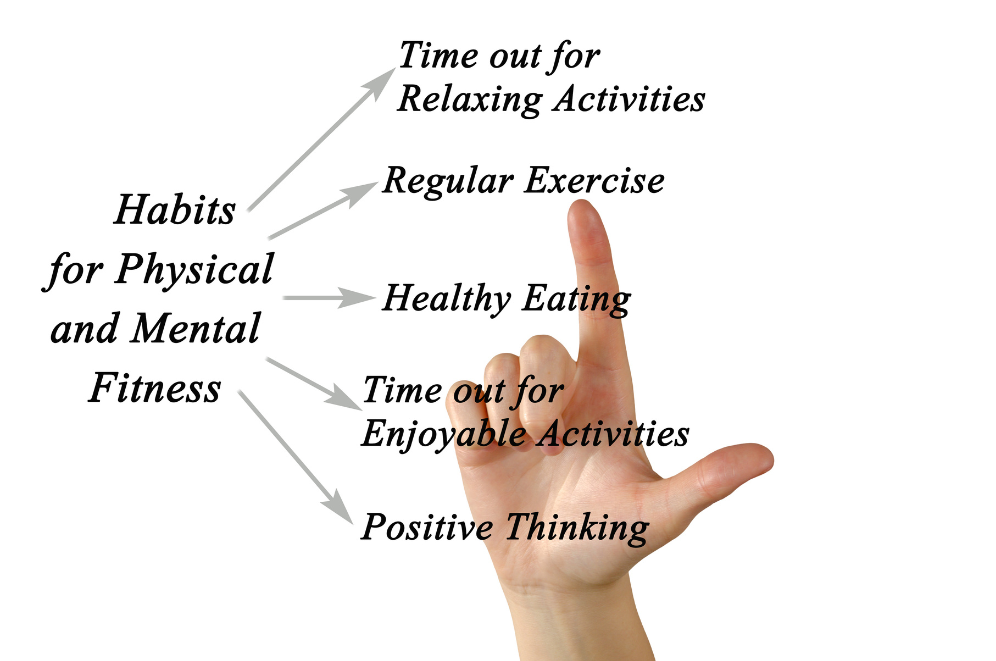



















 ,
,
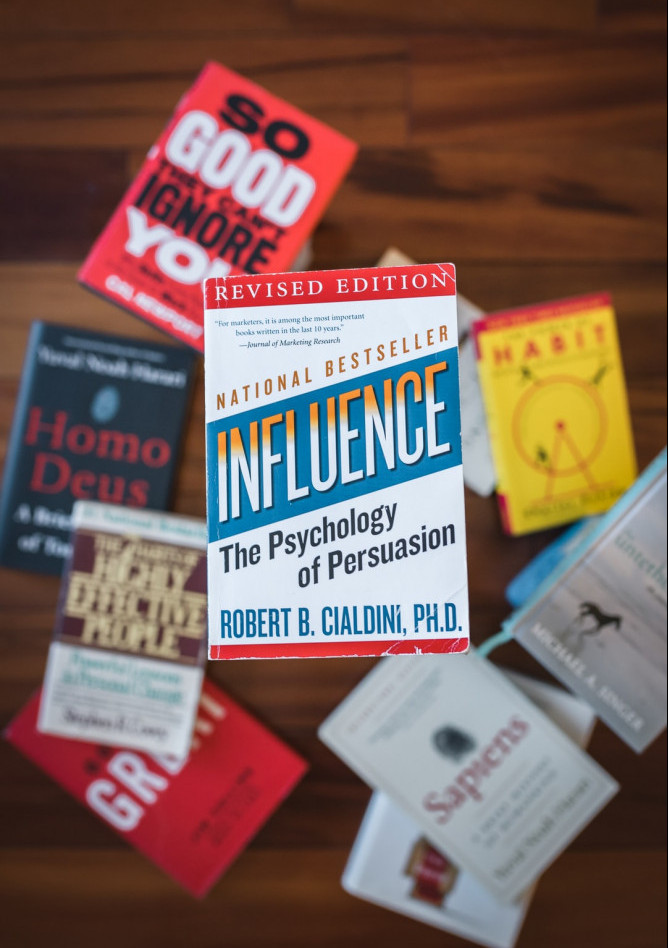





 I became aware of HeartMath nearly 20 years ago and soon after began using their products. Back in the day, they had a finger sensor that connected to your computer and monitored your heart rate variability putting it up on the screen in graphic form. At the time was doing this but only intermittently and would let it go for months at a time. When Covid arrived on the doorstep the stress and anxiety mounted. I touched on HeartMath when I wrote another post about