I don’t know about you, but I lead a busy life. From errands to work, the pace can be relentless. Amidst this hustle, reaching for the quickest bites is tempting, often sacrificing nutrition. However, I understand the importance of fueling my body with healthy snacks and how it can significantly improve my daily performance and overall health.
The Foundations of Healthy Snacks
Healthy snacking plays a vital role, especially when I’m on the move. Good choices keep hunger at bay and provide sustained energy and vital nutrients. They can improve focus and prevent the common pitfall of overeating at meal times. Furthermore, a well-chosen snack can be a lifesaver during long commutes or back-to-back meetings.
However, some believe that on-the-go snacking leads to poor food choices or that it’s too hard to prepare healthy options. With a bit of planning, you can easily manage these concerns. Ready to see how you can incorporate healthy snacks into your busy routine? Let’s explore the best options to keep you energized and satisfied, no matter where your day takes you.
Top Healthy Snack Ideas To Keep You Energized
Maintaining energy levels throughout a hectic day hinges on the snacks you choose. Thoughtful selections can make a significant difference in how you feel and perform. So, what snacks should we be seriously looking at? Here are some top picks to keep you moving without weighing you down.
For those moments when you have just enough time to grab and go, you need snacks that are both easy to prepare and convenient to carry. Think along the lines of mixed nuts or seed blends. The protein and healthy fats packed into nuts and seeds help prevent energy crashes. Fresh fruit, like apples or a bunch of grapes, can also do the trick when you’re craving something sweet without the added sugars.
Don’t overlook the value of snacks that don’t require refrigeration. Whole grain crackers and nut butter give you a satisfying crunch and sustained energy. Pre-packed vegetable sticks or dried seaweed are other excellent choices, as they offer both nutrients and ease of transport.
Are you someone who loves to savour their snacks but still wants to stay healthy? You’re in luck. Slices of turkey or chicken breast rolled up with avocado or hummus add a gourmet touch without guilt. Or consider a small serving of yogurt topped with a handful of berries and a sprinkle of chia seeds for a sweet, creamy treat that’s nutritionally dense.
Consider investing in a good-quality insulated bag or container to ensure your snack remains fresh. This simple step can help keep perishable snacks like hard-boiled eggs or cheese in optimal condition until you’re ready to enjoy them.
Practical Tips for Planning and Packing On-the-go Snacks
I understand that keeping up with a healthy snacking routine can be challenging when you’re always on the move. That’s why planning is crucial. By setting aside some time each week to prepare your snacks, you can ensure you have a selection ready to grab whenever you head out the door.
One of the best investments you can make is in quality containers. Durable, leak-proof containers keep snacks fresh and prevent them from getting crushed in your bag. Dishwasher-safe is excellent for easy cleaning, while BPA-free options are good for your health.
Variety is the spice of life, which also holds true for snacking. Including different types of textures and flavours can prevent snack boredom. However, remember to keep the balance of nutrients in mind. A combination of proteins, healthy fats, and fibres can keep hunger at bay and energy levels steady.
Consulting with a nutritionist or tapping into resources from certified experts can offer you personalized advice to tailor your snack planning to your dietary needs and preferences. By aligning your snack choices with expert recommendations, you ensure that your on-the-go eating supports your health goals.
Above all, make healthy snacking a consistent practice. By doing so, your body gets used to regular, nutritious fuel, and you’ll likely notice improved focus, energy, and overall health. Remember, good habits take time to form. Stick with it. Your on-the-go snacking can become a seamless part of your dynamic lifestyle.
Invincibility lies in the defence, the possibility of victory in the attack.
Sun Tzu
Your immune system is your body’s team of defenders. This complex network of cells and organs works tirelessly to protect you from unwanted invaders like bacteria and viruses. But did you know you can give it a helping hand through what you eat?
Yes, the foods you choose play a vital role in the strength and resilience of your immune system. I’ll take you through the best diet choices to prepare your internal defence forces for top form. Think of it as upgrading your body’s armour and weapons through smart, nutrient-packed choices.
The upcoming sections will detail the power of antioxidants, the effect of inflammation on your health, the benefits of omega 3, and essential vitamins and minerals. All of these contribute to an optimally functioning immune system. Furthermore, I’ll touch upon how stress can leave the door open for illness and how to shut it down with specific foods.
To set the stage for antioxidants’ invaluable role, imagine them as your immune system’s special agents, neutralizing threats that could otherwise lead to cellular havoc. The following section will reveal which foods are teeming with these impressive compounds and how they stand guard to enhance your immune health.
Nature’s Shields: Antioxidants and Their Role in Immunity
Antioxidants serve as a personal squadron of protectors for our cells. These remarkable molecules help combat oxidative stress, which occurs when too many free radicals (unstable atoms that can damage cells) roam our bodies. Free radicals can tip the balance of our system and pave the way for health problems, including weakening our immune defence.
But how exactly do antioxidants come into play? They neutralize and round up those rogue free radicals, reducing the damage and bolstering our body’s resistance. A stout immune system relies heavily on these antioxidants, which is why getting enough of them is vital for the upkeep of our health.
You’ll find these mighty defenders in various colourful fruits and vegetables. Vitamins such as C and E are famous for their antioxidant properties and compounds like flavonoids and carotenoids. Let’s get practical: to weave more antioxidants into your meals, consider berries, leafy greens, nuts, and even dark chocolate.
It’s not just about the what but the how. To make the most of these foods, it pays to know the best ways of preparing them. For instance, steaming vegetables over boiling water can help retain their nutritional value. Similarly, combining vitamin C-rich foods with iron sources can boost absorption, giving your immune system an even better boost.
While antioxidants are crucial for your health, it’s vital to understand the foods that encourage inflammation in the body, which can contradict the beneficial effects of antioxidants. Next, we’ll delve into anti-inflammatory foods and how they contribute to a robust immune system.
Calming the Flames: Foods That Combat Inflammation
I can explain inflammation like this: It’s your body’s natural response to protect itself against harm. However, when inflammation becomes a regular guest rather than an occasional visitor, it can jeopardize your immune system.
Chronic inflammation is a thief at night, quietly contributing to diseases and weakening your body’s defences. The key is to keep inflammation in check.
You can turn to Mother Nature’s pantry to find a robust lineup of anti-inflammatory foods. The Mediterranean diet, rich in plants and lean proteins, is a prime example of an eating pattern that helps temper inflammation.
Look for foods with vibrant colours, signifying their rich nutrient content: berries, leafy greens, and tomatoes are just the start. Consider eating the rainbow to ensure you get the whole spectrum of anti-inflammatory compounds.
Remember herbs and spices, too. Turmeric and ginger, for example, are studied for their potent anti-inflammatory properties.
Your body requires these anti-inflammatory foods to maintain a healthy balance and optimized immune function.
Next, I’ll explore the ripple effects of omega-3 fatty acids on your immune system and highlight why these beneficial compounds should be a staple in your immunity-boosting diet.
Essential Waves of Wellness: Omega 3 Fatty Acids and Immune Support
You may have heard about omega-3 fatty acids and may associate them with heart health. They are much more versatile. These fatty acids are unsaturated fats that play crucial roles in your body, one of them being support for your immune system.
Omega 3 has a significant influence on the functionality of immune cells. Eicosapentaenoic acid (EPA) and docosahexaenoic acid (DHA), both types of omega 3, are known to enhance the activity of white blood cells, known as B cells. This effect can help your body mount a more efficient immune response.
A lack of omega-3 fatty acids in your diet can lead to a less responsive immune system. You want to avoid that, especially when you need excellent health.
So, where can you find these omega-3s? Fatty fish such as salmon, mackerel, and sardines are excellent sources. If you’re not a fan of fish, don’t worry. You can turn to flaxseeds, chia seeds, and walnuts, all plant-based sources rich in alpha-linolenic acid (ALA), another type of omega 3.
Incorporating these foods into your diet doesn’t have to be a chore. Here’s a SIMPLE TIP: add ground flaxseeds to your breakfast cereal or a smoothie. Alternatively, enjoy a handful of walnuts as a hearty snack.
Understanding the balance and making smart dietary choices can significantly affect your immune system’s strength. As we move to the next section, remember that it’s not just omega-3 that’s pivotal for your immunity but also a variety of vitamins and minerals. Let’s explore these building blocks next.
When Stress Strikes: Managing Stress and the Immune System
Stress isn’t just a mental burden; it has tangible effects on your physical well-being and immune system. Chronic stress can suppress immune function, leaving you more susceptible to infections. Managing stress is essential to a robust immune system.
Relaxation techniques like meditation, deep breathing, and yoga can be immensely beneficial. Regular exercise also plays a key role, as it can help lower stress hormones like cortisol and adrenaline over time.
Certain foods can combat stress as well, thanks to their content of specific vitamins and minerals and soothing compounds. Foods such as dark chocolate, which is rich in antioxidants, citrus fruits laden with vitamin C, and complex carbohydrates found in whole grains that help regulate serotonin levels, should be part of your stress-management arsenal.
Remember, a well-rounded approach to stress reduction—including a balanced diet, adequate sleep, regular physical activity, and mindfulness practices—can substantially aid in maintaining a solid and responsive immune system.
In conclusion, your diet and lifestyle are pivotal to sustaining immune health. By choosing foods rich in antioxidants, omega-3 fatty acids, vitamins, and minerals and managing stress effectively, you arm your body with the necessary tools to fight illnesses and maintain optimal health. Make these strategies part of your daily routine to ensure your immune system gets the support it deserves.
When I say ‘diet,’ you might automatically think of weight loss. However, the scope of dieting extends beyond shedding pounds; it’s about leading a healthier lifestyle. I’ll clarify the confusion surrounding various diets by discussing their core aspects and helping you identify which might align with your health goals.
Why is the word ‘personalization’ key when talking about diets? That’s because there’s no one-size-fits-all solution. Because of genetics, lifestyle, and other health factors, our bodies respond to foods in unique ways. That’s why a diet that works wonders for someone else might not yield the same results for you.
With an array of diets to choose from, understanding the basic principles of each becomes essential. Some emphasize whole, unprocessed foods, while others focus on macronutrient composition like fats and carbs. Being well-informed before making significant changes to your eating habits is crucial.
So, let’s set the stage by examining a diet that harks back to our ancestors – the Paleo Diet. It’s lauded for its whole-food approach and warrants a closer look at its practicability in contemporary life. Paleo sets the stage for us to review additional diets, including Keto, DASH, Mediterranean, and plant-based options like veganism.
The Paleo Diet: A Prehistoric Eating Pattern in the Modern World
The Paleo diet concept is simple: eat as our Paleolithic ancestors did. Proponents argue that this diet, rich in fruits, vegetables, nuts, seeds, meat, and fish, excludes grains, legumes, dairy products, and processed foods, is a genetic adaption.
One of the biggest pros of the Paleo diet is its focus on whole foods. Because the diet is naturally high in unprocessed food, there is more of an uptake of vitamins, minerals, and antioxidants. Moreover, eliminating processed foods can reduce sugar and sodium intake, which is beneficial for overall health.
However, there are cons to consider. The Paleo diet can be challenging to maintain due to its restrictive nature. It may also lead to dietary fibre and calcium deficiencies since it excludes grains and dairy. Accessibility can be another issue, as the diet often requires organic and grass-fed products, which might be cost-prohibitive for some.
Sustainability is a hot topic when it comes to the Paleo diet. Critics point out that a meat-heavy diet may not be environmentally sustainable. The carbon footprint of meat production is significant, and a proper Paleolithic diet would require meat sources that are grass-fed and free-range, making it a less viable option on a global scale.
Despite these debates, the Paleo diet has proven beneficial for some, particularly in weight management and improving symptoms of certain autoimmune diseases. As with any diet, assessing individual goals and health needs is essential before embracing this prehistoric path.
Keto Diet: High-Fat, Low-Carb Eating for Weight Loss
The ketogenic diet, commonly known as the keto diet, turns traditional macronutrient ratios on their head. By sharply cutting back on carbs and increasing fat intake, the keto diet aims to push your body into ketosis. Ketosis is where the magic – or science – happens. Your body, running low on its usual energy source, glucose, turns to burning fat for fuel.
Diving into ketosis isn’t a plunge without ripples. When you start on Keto, you may shed weight noticeably at first. The weight reduction is partly due to water loss but also because your body burns fat faster. It’s not just about dropping pounds, though; some studies suggest that a keto diet can help manage certain health conditions, such as type 2 diabetes and epilepsy.
However, the high-fat chorus isn’t one without its dissonant notes. Transitioning to ketosis can present some unwelcome effects, colloquially termed the ‘keto flu,’ which include fatigue, headaches, and irritability. These symptoms are usually temporary but can be challenging hurdles for some.
Thinking long-term is crucial when considering the keto diet. High intake of saturated fats can be concerning from a cardiovascular standpoint. Getting your fats from healthy sources like avocados, nuts, and seeds is essential, as is discussing any dietary changes with a healthcare provider, especially if you have any health concerns.
DASH Diet: The Heart-Healthy Plan that’s more than just Low-Sodium
You may have heard of the DASH Diet as a go-to recommendation for managing high blood pressure. DASH, which stands for Dietary Approaches to Stop Hypertension, goes beyond just cutting back on salt. It emphasizes foods rich in nutrients that help lower blood pressure, such as potassium, calcium, and magnesium.
What sets the DASH Diet apart is its strong evidence base. Studies consistently show that following the DASH eating plan can help reduce blood pressure in a matter of weeks. Even more impressive, a lowered risk of developing cardiovascular disease over the long term is possible.
One of the most significant benefits of the DASH Diet is its focus on a balanced nutrient intake. While it encourages a higher consumption of fruits, vegetables, whole grains, and lean proteins and a reduction in saturated fats, cholesterol, and trans fats, this doesn’t mean the diet is bland or restrictive. On the contrary, numerous recipes and meal ideas make it possible to enjoy a variety of tasty, heart-healthy foods.
There’s a common misconception that the DASH Diet is synonymous with uninteresting meals. However, this diet is rich in flavour. It allows for herbs and spices to enhance taste and a moderate amount of nuts, seeds, and legumes, which bring unique flavours and textures to dishes. This diet affirms that a heart-healthy eating plan does not have to compromise on taste.
To seamlessly transition into the Low-Carb Diet discussion, it’s worth noting that while the DASH Diet does not explicitly target carbohydrate reduction, it naturally limits high-sugar and high-fat foods, which typically contain lots of carbs. This ingrained approach to whole foods coincidentally aligns with some principles of low-carb eating, setting a solid foundation for our next section, where we’ll explore low-carb diets in depth.
The Rise of Low-Carb Diets: Benefits and Caveats
Low-carb diets have gained attention for their role in weight loss and blood sugar management. This approach typically involves reducing the intake of carbohydrates and increasing the consumption of protein and fats.
People often turn to low-carb diets as a strategy for shedding pounds. Some find they can control their appetite better and see quick results on the scale, providing a sense of achievement that may help with long-term diet adherence.
Besides weight control, regulating blood sugar levels is a significant advantage of this dietary approach. For those with type 2 diabetes or metabolic syndrome, a low-carb diet can be particularly beneficial, helping to manage glucose levels and reduce reliance on medication.
However, it’s crucial to discuss potential downsides. Low-carb diets may decrease energy levels, particularly in the early phases. When the body adapts to a reduced carbohydrate intake, it can be challenging if you are highly active or involved in athletic pursuits.
The quality of fats and proteins consumed enables you to maintain long-term health. Opting for heart-healthy fats from fish, nuts, seeds, and high-quality proteins can mitigate the risk of nutritional deficiencies and other health complications.
When considering any dietary change, consulting a healthcare professional is wise, especially for those with pre-existing health conditions. Next, we move into the Mediterranean lifestyle to explore how its time-tested practices may offer different advantages for our well-being.
The Mediterranean Diet: A Feast of Benefits (with a Few Thorns)
The Mediterranean diet, with its sun-kissed vegetables, olive oil drizzle, and seafood bounty, has captured hearts and minds (and maybe stomachs) around the globe. But is it all smooth sailing with this lifestyle approach to eating?
This diet boasts a plethora of health benefits. Think of reduced risk of heart disease, stroke, type 2 diabetes, and even Alzheimer’s. The emphasis on vegetables, legumes, and healthy fats like olive oil helps fight inflammation and keep your ticker happy. Eating Mediterranean means local, seasonal foods and minimal meat consumption, making it a win for your health and the environment. Think colourful salads, freshly caught fish, and legumes instead of factory-farmed meat. Celebrate taste!
The diet isn’t a fad with strict rules and deprivation. It’s more about embracing a way of life. Though you can still enjoy the occasional pastry or glass of wine, focus on the healthy stuff most of the time.
However, the diet requires some upfront planning and effort. Saying goodbye to processed foods and stocking up on fresh produce can seem daunting. That’s what meal-planning apps and farmers’ markets are for!
Fresh, high-quality ingredients can cost more than your typical processed fare. However, smart shopping and utilizing seasonal produce can ease the burden.
While saying no to greasy burgers or sugary treats at social gatherings can be tricky, you can always be the one bringing the delicious (and healthy) dip!
Though mostly beneficial, the Mediterranean might be challenging for some. People with certain health conditions may need to tweak the approach with their doctor’s guidance. Despite its challenges, the diet is a delicious and sustainable way to nourish your body and mind.
Gluten-Free: Feast or Famine for Your Health
Gluten, a protein found in wheat, barley, and rye, has become a dietary villain in recent years. But is ditching gluten a surefire path to health or a fad fraught with pitfalls? Let’s delve into the pros and cons of a gluten-free diet:
For people with celiac disease or gluten sensitivity, a gluten-free diet is non-negotiable. It alleviates digestive distress, bloating, and other symptoms, allowing them to thrive.
Studies suggest a gluten-free diet may lower the risk of heart disease, type 2 diabetes, and certain cancers primarily due to its focus on whole grains, fruits, vegetables, and lean protein, which are all health-promoting stars.
Gluten-free foods are lower in calories and fat, which can be helpful for weight management, especially if you choose whole, unprocessed options. Some report improved energy levels, better sleep, and more precise thinking. The benefits of adopting a gluten-free lifestyle include the elimination of inflammatory triggers or simply the psychological boost of feeling in control of your health.
However, gluten-free substitutes often lack the fibre, iron, and B vitamins in whole wheat products. Choose fortified options and incorporate other nutrient-rich foods into your diet to avoid deficiencies.
A gluten-free diet can be a life-changing boon for those with celiac disease or gluten sensitivity. For others, it may offer some health benefits, but it comes with its own challenges. Ultimately, the decision to go gluten-free is a personal one. Weigh the pros and cons carefully, listen to your body, and consult a healthcare professional if needed. Remember, a balanced and varied diet, with or without gluten, is the key to overall health and well-being.
Bringing Balance to Your Plate: Choosing the Right Diet for You
You now have a snapshot of the diversity in diets that cater to varied health needs and ethical beliefs. From the fat-rich Keto to the produce-packed Mediterranean and the allergen-conscious Gluten-Free, there’s an approach for everyone.
The key takeaway is that personal needs and preferences should be at the forefront of any dietary decision. No one diet is the ultimate solution for everyone, and it’s crucial to consider individual health conditions, lifestyle, and nutritional needs before changing your eating habits.
Consulting with a healthcare provider or a registered dietitian can provide tailored advice honouring your unique circumstances. Doing so ensures that your diet supports your physical health and overall well-being.
Keep in mind that adopting any diet can require a period of adjustment. It’s normal to experience a learning curve as you explore which foods work best for you. Remember to listen to your body and be mindful of how different foods affect you physically and mentally.
Lastly, ensure you maintain a holistic approach with any diet you choose. Pair your eating habits with an active lifestyle, adequate hydration, and ample sleep to give comprehensive nourishment to your body.
To conclude, explore your options, seek expert advice, and choose a diet that aligns with YOUR life. Here’s to finding balance on your plate and joy in your meals. Remember, a diet is not just about restriction; it’s about empowerment through nourishing choices that serve your health journey.
The need to pay heed to the function that Superfoods for optimal health hold has come to the fore over the last couple of days. I felt distressed in the middle of the night with what seemed to be a tightness in my chest. We went as soon as possible to the after-hours clinic and were taken almost immediately.
Straightaway, they gave me an ECG and said it was fine. After doing a couple of tests, including blood and blood pressure, the doctor examined me and sent me home to wait for the results. When I received them, they were similar to my blood tests from six months ago. The message was that they could do a couple more tests if the pain continued. Overnight, it diminished, and this morning, I took the first of my blood pressure medications. As of tonight, it is within a healthier range.
Talk about life imitating art. As I was about to begin this post on Superfoods, it became essential to understand the critical role diet plays in safeguarding my heart’s health. With cardiovascular diseases being a leading cause of mortality worldwide, making informed dietary choices isn’t just wise—it’s essential. That’s why I give superfoods considerable attention in my own kitchen.
Superfoods aren’t just a trend; they’re nutrient powerhouses that enhance wellness and heart function. These foods are rich in antioxidants, fibres, vitamins, and minerals that help prevent heart disease. I emphasize the significance of these nutrients not because they’re fashionable but due to their scientifically backed benefits to our hearts and vessels.
For heart health specifically, the antioxidants and phytochemicals in these remarkable foods play a pivotal role. Antioxidants help reduce oxidative stress in our body, which can lead to arterial damage if uncontrolled. Phytochemicals, on the other hand, work subtly yet powerfully to improve blood vessel function and reduce inflammation.
Appreciating how these components work synergistically to fortify heart health sets the stage for the following discussion: identifying which superfoods you can incorporate into your diet to harness these benefits. It’s essential to know the ‘what’ and the ‘how’ of integrating these foods into your daily meals if you’re serious about making a heart-healthy change.
The Heart-Healthy Heroes: Top Superfoods to Incorporate into Your Diet
Your heart is like an engine that constantly needs the right fuel to run efficiently. Superfoods contribute to this by offering abundant nutrients the heart craves for optimal function. In this section, I will highlight some of the top superfoods you should include in your diet for a robust heart.
Firstly, omega-3 fatty acids are like the elite soldiers in the battle for heart health, reducing inflammation and helping to lower the risk of chronic diseases such as heart disease. Packed with these essential fats are fish like salmon and mackerel, along with flaxseeds and walnuts from the plant family.
Another group of heart-healthy heroes are foods rich in soluble fibre. Think of soluble fibre as a sponge that soaks up cholesterol in your body, preventing it from clogging your arteries. Oats, barley, beans, and lentils are vital sources of this nutrient.
Let’s not forget the minerals that are crucial in maintaining heart function. Potassium helps to counterbalance the effects of sodium. It regulates blood pressure, while magnesium contributes to the heart’s electrical stability. Bananas, spinach, and avocados are excellent sources of potassium; for magnesium, turn to almonds, spinach, and dark chocolate.
Including these superfoods in your diet isn’t just about adding them to your shopping list; it’s about creating meals that combine these ingredients in a delicious way that sustains heart health. In the next section, we’ll explore how some superfoods specifically address hypertension, helping you manage this condition crucial to heart health.
Battling Hypertension with Nature’s Bounty: Superfoods that Make a Difference
Hypertension, often referred to as high blood pressure, is a silent affliction affecting millions worldwide. It stealthily damages blood vessels over time and, left unchecked, can lead to severe heart conditions.
Why should you care about keeping your blood pressure in check? Because managing hypertension is a critical step in ensuring your heart doesn’t overwork itself, potentially leading to heart failure or stroke.
Nature offers a pantry of superfoods to support your body’s effort to regulate blood pressure. These nutrient powerhouses can help dilate blood vessels, reduce arterial stiffness, and improve overall circulatory health.
Beans and lentils, for instance, are loaded with fibre and magnesium–two nutrients known to support blood pressure levels. Dark leafy greens like spinach and kale bring a wealth of potassium to the table, which helps balance out sodium’s effects in your diet.
Berries are another group of superfoods you don’t want to overlook. Blueberries, strawberries, and raspberries pack a punch with flavonoids, preventing hypertension and lowering blood pressure.
Nuts and seeds, including chia seeds, flaxseeds, and walnuts, are rich in omega-3 fatty acids. Regular consumption of these can assist in maintaining a healthy blood pressure range due to their anti-inflammatory and vasodilatory effects.
It’s not just what you eat but also your dietary patterns. The DASH diet (Dietary Approaches to Stop Hypertension) emphasizes fruits, vegetables, whole grains, and lean proteins while minimizing processed foods, salt, and red meat.
Adopting the DASH diet principles and augmenting them with targeted superfoods is a strong strategy towards controlling hypertension. Remember also to stay hydrated, as proper fluid intake can optimize blood volume and pressure.
Taming Blood Pressure Naturally: A Superfood Strategy
You might be acutely aware that high blood pressure is a silent threat that often signals larger problems on the horizon. What you eat can play a significant role in either exacerbating or alleviating this condition. With their dense nutrient profiles, Superfoods stand at the frontline of dietary defence.
Superfoods combat high blood pressure not just by their qualities but by promoting a balanced ecosystem within your body. Foods like leafy greens, berries, and beetroot contain nitrates and minerals that help blood vessels relax and reduce arterial stiffness, lowering blood pressure.
Omega-3 fatty acids, found in fish like salmon and in flaxseeds, work undercover to battle inflammation, which often contributes to high blood pressure. Incorporating these into your weekly diet can create a buffer against cardiovascular complications.
It’s not just what you add but sometimes what you subtract. Reducing sodium intake is pivotal in regulating blood pressure. Instead, enhance flavours with herbs and spices, many of which, like garlic and turmeric, bring their own blood-pressure-lowering game to the table.
A practical move is to craft a meal plan that includes these superfoods. Ensure you have a satisfying mix of colours on your plate. Diversity in colour often means a diversity of vital nutrients working together to optimize your blood pressure and overall health.
Embracing a Superfood-Rich Lifestyle for Optimal Health and Longevity
I’ve seen firsthand that transforming your diet to include various superfoods can profoundly affect health and longevity. By now, it’s clear that the natural benefits of these nutrient-packed foods support a healthier heart and contribute to managing hypertension and blood pressure.
Making the shift to a superfood-rich lifestyle doesn’t have to be overwhelming. Start with small changes, like adding a handful of berries to your breakfast or swapping out your cooking oil for healthier options like olive or avocado. Consistency is the key to experiencing lasting change.
Over time, the compound effect of these nutritious choices can lead to significant improvements. You might notice more energy, better sleep, or even a reduction in specific symptoms. It’s not just about adding years to your life; it’s about adding life to your years, feeling vibrant and active as you age.
While superfoods are powerful, they are most effective as part of an overall healthy lifestyle that includes regular exercise and stress management. Embrace a holistic approach for the best results.
The stories of those who’ve embraced this way of eating are compelling. They speak of clearer skin, improved mood, and, most importantly, a rejuvenation of heart health. Take inspiration from their journeys and see how integrating superfoods into your diet can pave the path to a healthier, happier you.
Imagine a world where you could erase the pain of past hurts, mend broken relationships, and transform your life with the power of your own thoughts. This is the promise of Ho’oponopono, an ancient Hawaiian healing practice that has gained worldwide recognition for its profound impact on personal transformation and spiritual awakening.
Delve into the rich history of Ho’oponopono, tracing its roots to ancient Hawaiian traditions and philosophies. Understand the concept of “zero,” the core principle of Ho’oponopono, emphasizing taking responsibility for one’s inner world and accepting all experiences as neutral.
Uncover the simplicity and profound impact of the Ho’oponopono mantra: “I’m sorry. Please forgive me. I love you. Thank you.” Understand the transformative power of each phrase in the mantra, demonstrating its ability to release negative energy, promote forgiveness, cultivate gratitude, and restore balance.
Delving into the Origins and Essence of Ho’oponopono
Ho’oponopono, a profound healing practice rooted in ancient Hawaiian wisdom, has emerged as a beacon of hope and transformation for individuals seeking inner peace, forgiveness, and a life of limitless possibilities.
This powerful technique passed down through generations of Hawaiian kahunas (healers), offers a unique approach to healing, embraces the interconnectedness of all things and the power of taking responsibility for one’s own inner world.
Unveiling the Rich History of Ho’oponopono
The origins of Ho’oponopono can be traced back to ancient Hawaiian traditions, where it was revered as a sacred practice for restoring balance and harmony within individuals, families, and communities. This holistic approach to healing encompassed physical, mental, emotional, and spiritual well-being. It touches all aspects of human existence.
Over time, Ho’oponopono evolved into a powerful tool for addressing complex issues and resolving conflicts within families and communities. Kahunas, steeped in the wisdom of their ancestors, facilitated Ho’oponopono gatherings, guiding participants through a process of introspection, forgiveness, and self-love.
Exploring the Concept of “Zero”: Taking Responsibility for One’s Inner World
At the heart of Ho’oponopono lies the profound concept of “zero,” a state of complete purity and non-existence of negative energy. This concept holds the idea that all negativity, including pain, anger, resentment, and limitations, stems from memories and subconscious beliefs that reside within us.
By taking responsibility for our inner world and accepting all experiences as neutral, we initiate a process of cleansing and releasing these negative energies. The concept of “zero” encourages us to recognize that these energies do not belong to us but rather reside within us, waiting to be released through the power of Ho’oponopono.
Unveiling the Ho’oponopono Mantra: A Simple Yet Profound Tool for Transformation
At the core of Ho’oponopono lies a simple yet profound mantra: “I’m sorry. Please forgive me. I love you. Thank you.” These four phrases, imbued with deep meaning and transformative power, serve as the foundation for healing, forgiveness, and personal growth.
I’m Sorry: Acknowledging Responsibility and Taking Ownership
The first phrase, “I’m sorry,” signifies taking responsibility for our inner world and acknowledging that we have, at some level, contributed to the negativity we experience. It is an admission of culpability, not necessarily for specific actions, but for the part we play in harbouring negative thoughts, beliefs, and emotions.
This phrase extends beyond self-forgiveness, encompassing forgiveness of others and the world around us. It is a recognition that we are all interconnected and that the negative energy we experience often stems from external sources that have inadvertently impacted our inner world.
Please Forgive Me: Seeking Forgiveness and Embracing Reconciliation
The second phrase, “Please forgive me,” represents a heartfelt plea for forgiveness, both from ourselves and from others. It is an act of humility, acknowledging that we have caused harm or hurt through our thoughts, words, or actions.
Seeking forgiveness allows us to break free from the chains of guilt and resentment, fostering inner peace and reconciliation. It is a powerful step towards healing, enabling us to let go of the past and move forward with a lighter heart.
I Love You: Cultivating Self-Love and Unconditional Acceptance
The third phrase, “I love you,” is a declaration of self-love, unconditional acceptance, and appreciation for our inherent worth. It is a reminder of our true nature, a state of pure love and light that exists beyond our limitations and imperfections.
By repeating “I love you,” we cultivate a deeper connection with our inner selves, fostering self-acceptance and compassion. We begin to see ourselves through the lens of love, recognizing our beauty, strength, and resilience.
Thank You: Expressing Gratitude and Embracing Abundance
The final phrase, “Thank you,” represents an expression of gratitude for all experiences, both positive and negative. It is an acknowledgment that everything that has happened in our lives has served a purpose, contributing to our growth and evolution.
Gratitude allows us to shift our perspective from lack and scarcity to abundance and appreciation. We begin to see the blessings that surround us, even amidst challenges and difficulties. This attitude of gratitude opens us up to a world of possibilities and abundance.
Integrating Ho’oponopono into Everyday Life: Embracing Healing and Transformation
Ho’oponopono is not merely a theoretical concept or a set of rituals; it is a powerful tool that can be seamlessly integrated into our daily lives, transforming the way we navigate challenges, cultivate relationships, and approach our overall well-being.
Addressing Personal Challenges: Releasing Limiting Beliefs and Embracing Empowerment
Ho’oponopono offers a profound approach to addressing personal challenges, whether they stem from internal struggles, external circumstances, or a combination of both. By applying the Ho’oponopono mantra to specific challenges, we can release limiting beliefs, dissolve negative energy blockages, and open ourselves up to new possibilities. Ho’oponopono is a journey through a process of cleaning and clearing to free up our inner selves and allow access to inspiration.
For instance, if we are grappling with feelings of insecurity or self-doubt, repeatedly saying “I’m sorry. Please forgive me. I love you. Thank you” can help us release these negative self-perceptions and cultivate a more positive and empowered self-image.
Transforming Relationships: Fostering Forgiveness, Harmony, and Compassion
Ho’oponopono extends its transformative power to the realm of relationships, offering a path to mend broken bonds, foster forgiveness, and cultivate deeper connections. By applying the mantra to our relationships, we can address lingering resentments, release negative judgments, and open ourselves up to empathy and understanding.
For example, if we are experiencing a strained relationship with a family member or friend, repeating the Ho’oponopono mantra can help us release any anger or resentment we may harbour towards them, enabling us to approach the situation with a more open and forgiving heart.
Cultivating Overall Well-being: Promoting Physical, Mental, and Emotional Balance
Ho’oponopono’s impact extends beyond specific challenges and relationships, encompassing our overall well-being. By incorporating the mantra into our daily lives, we can promote physical, mental, and emotional balance, fostering a sense of peace and harmony within ourselves.
For instance, if we are experiencing stress or anxiety, regularly repeating the Ho’oponopono mantra can help us release these negative emotions, promote relaxation, and restore a sense of inner calm and tranquility.
Unleashing the Power of Forgiveness and Self-Love: The Cornerstones of Ho’oponopono
At the heart of Ho’oponopono lies the transformative power of forgiveness and self-love, two fundamental principles that serve as the cornerstones of healing and personal growth. By embracing these principles, we embark on a journey of inner transformation, releasing negative energy, cultivating inner peace, and fostering a life filled with love and abundance.
Forgiveness: Liberating from the Chains of Resentment
Forgiveness is not merely about condoning harmful actions or excusing hurtful behaviors; it is about releasing ourselves from the chains of resentment and bitterness that hold us captive to the past. It is about recognizing that we cannot change the actions of others, but we can choose to let go of the anger and pain they have caused us.
By forgiving others, we release ourselves from the emotional burdens that weigh us down, allowing us to move forward with a lighter heart and a renewed sense of peace. We break the cycle of negativity and open ourselves up to the possibility of reconciliation and healing.
Self-Love: Embracing Our True Essence
Self-love is the foundation upon which we build a life of happiness, fulfillment, and meaningful connections. It is the acceptance and appreciation of our inherent worth, flaws and all. It is about recognizing that we are deserving of love, compassion, and kindness, not just from others but also from ourselves.
By cultivating self-love, we nurture our inner growth and resilience, enabling us to navigate life’s challenges with greater strength and emotional balance. We become our own best friends, offering ourselves the same support, understanding, and encouragement that we extend to those we love.
The Interconnectedness of Forgiveness and Self-Love
Forgiveness and self-love are not isolated concepts; they are deeply intertwined and mutually reinforcing. When we forgive others, we extend compassion and understanding, not just to them but also to ourselves. We recognize that we have been hurt, but we choose not to let that hurt define us.
In turn, self-love empowers us to forgive others, releasing ourselves from the burden of resentment and bitterness. We recognize that we are worthy of love and happiness, and we choose not to allow the actions of others to diminish our self-worth.
Embracing the Transformative Journey of Ho’oponopono
Through the profound principles of forgiveness and self-love, Ho’oponopono guides us on a transformative journey of healing and personal growth. We learn to release negative energy, cultivate inner peace, and embrace our true essence. We become architects of our own happiness, creating a life filled with love, abundance, and limitless possibilities.
Dispelling Myths and Misconceptions: Clarifying the True Essence of Ho’oponopono
As Ho’oponopono’s popularity continues to grow, it is essential to address common misconceptions and clarify the true essence of this profound healing practice. Misunderstandings can lead to misinterpretations and hinder individuals from fully embracing the transformative power of Ho’oponopono.
Misconception 1: Ho’oponopono is a Magic Wand for Instant Solutions
Ho’oponopono is not a quick fix or a magic wand that will instantly erase all problems and challenges. It is a journey of self-discovery, healing, and transformation that requires dedication, patience, and a willingness to confront and release negative energies.
While Ho’oponopono can bring about significant changes and breakthroughs, it is not a substitute for personal effort and growth. It requires us to take responsibility for our inner world, address our limiting beliefs, and actively cultivate forgiveness and self-love.
Misconception 2: Ho’oponopono Requires No Effort or Active Participation
Ho’oponopono is not a passive practice; it requires active participation and engagement. Simply repeating the mantra without genuine intention and introspection will not yield the desired results.
Ho’oponopono invites us to delve into our inner world, examine our thoughts, beliefs, and emotions, and identify the root causes of our challenges and limitations. It encourages us to confront our fears, insecurities, and resentments and actively release them through forgiveness and self-love.
Misconception 3: Ho’oponopono is a Replacement for Professional Help
Ho’oponopono is a powerful tool for personal healing and self-growth, but it is not a substitute for professional help when needed. If you are struggling with severe mental health issues, trauma, or deep-seated emotional pain, seeking professional guidance and support is crucial.
Ho’oponopono can complement and enhance therapy and counseling, providing a framework for self-discovery and healing alongside professional guidance. However, it is not intended to replace professional help or provide a quick fix for complex psychological issues.
Embracing the True Essence of Ho’oponopono: A Journey of Self-Discovery and Healing
Ho’oponopono is not a set of rigid rules or a one-size-fits-all approach. It is a personal journey of self-discovery, healing, and transformation, guided by the profound principles of forgiveness and self-love.
By approaching Ho’oponopono with an open mind, a willingness to confront our inner selves, and a commitment to personal growth, we can harness its transformative power to release negative energies, cultivate inner peace, and manifest a life filled with love, abundance, and limitless possibilities.
,
Embark on a Transformative Journey with Ho’oponopono
Ho’oponopono, the ancient Hawaiian healing practice rooted in forgiveness and self-love, offers a profound path to personal transformation and healing. By embracing the simplicity and power of the Ho’oponopono mantra – “I’m sorry. Please forgive me. I love you. Thank you” – we can release negative energies, cultivate inner peace, and create a life filled with harmony and abundance.
Ho’oponopono invites us to take responsibility for our inner world, acknowledging that all negativity stems from within. Through forgiveness, we liberate ourselves from the chains of resentment and bitterness, allowing us to move forward with a lighter heart. Self-love, the foundation of Ho’oponopono, empowers us to accept our true essence, fostering resilience and self-worth.
As we delve deeper into Ho’oponopono, we dispel common misconceptions, recognizing that this practice is not a magic spell replacing professional help. It is a journey of self-discovery, requiring dedication and a willingness to confront and release negative energies.
Ho’oponopono is a gift, an invitation to unlock our innate potential and create a life of fulfillment and joy. Embrace its transformative power, embrace forgiveness, embrace self-love, and embrace the limitless possibilities that await you.
I found I preferred Evolution = Conscious Mind after listening to an audio program when I heard Dr. Robert Anthony use the term Ego equals Conscious Mind. That got me thinking.
It almost sounded like that famous equation E=MC squared. “Energy = mass times the speed of light squared”.
In simple terms Einstein’s equation states that energy and mass (or matter) are virtually identical. When the right circumstances are present, energy can manifest as mass, and mass as energy.
Ego = Conscious Mind
So, when I thought of E=CM squared and Ego equalling Conscious Mind, what came to mind is that ego is often attached to something negative. I saw all the layers of thoughts that we internalise, building one on top of the other. All those thoughts that as children we accept as being gospel because we know nothing else.
When we’re young, we’re an open book, a blank slate being written first by our parents and as we grow, perhaps by siblings, teachers, and peers. We’re a garden freshly tilled waiting for seeds of consciousness to be planted. What we hear, what we see, what we feel, – these are the nutrients that we put on our garden. Depending on the mental and emotional content of these nutrients, we can have a flourishing garden or be overrun with weeds.
The more a single idea (be careful – that’s hot) is layered into our minds, and couple that with a physical experience of very hot or being burnt or scalded, that idea becomes subconscious. We know that we know it without thinking. When confronted with something cooking on the stove, or an open fire we now have an instinct that keeps us safe.
Fire is a physical threat. Physical violence is a physical threat. We also have emotional and mental threats to our well-being. More bolstering of our egos to deal with these layers of safety. Sometimes not necessarily serving our bests interests.
Influences
Thanks to Bannon Morrissy for this image
All those are responses to outside influences. Then we have influences that are detrimental to our evolution that we impose on ourselves.
• The times we say, “I can’t do this”.
• The times we feel shy meeting new people and then it happens again and again until we have embedded it into our consciousness that we’re shy.
• Times we’ve got up in front of people to speak. We jabber away not really knowing what to say and at the end of it what we’ve said. We’re embarrassed about this inability and wish the ground would just swallow us up. Another layer.
• Anytime fear creates a black hole in our psyche becomes a layer.
• When our self-esteem won’t allow us to step forward into an opportunity becomes a layer and on and on it goes.
Is it any wonder that that life seems such a struggle?
This isn’t just e=cm² its e=cm³, then to the 4th power, 5th power. It builds exponentially and becomes habitual behaviour.
Then we may reach a breaking point. We realise that, yes, some of these things are our ego keeping us necessarily safe, but there are other things we’ve swallowed along the path that are just not serving us anymore. Stuff we need to ditch like a shirt that doesn’t fit anymore. Throw away the coat of habits that aren’t user friendly. Get ourselves a new wardrobe.
And it’s not only a metaphorical wardrobe we may have to get rid of because of mental and emotional garb that no longer fits or serves us. There may be elements of our physical wardrobe that require changing. In our physical wardrobe there may be items that we haven’t worn because they’ve gone out of fashion or don’t suit us anymore.
Decluttering on the physical plane can affect us on the other planes as well and vice versa. Sure, we can make our spaces tidier, but we may need to make room for new clothes.
How do we rid ourselves of these ego constructs that have embedded themselves in our subconscious? Once we donned it as an overcoat to protect us from a sudden shower and as time has gone on it has become an armour that weighs us down.
If we consider the law of attraction this armour sits in our subconscious and sabotages the good things we’re trying to initiate in our lives. Shyness, self-esteem, fear – all armour that can keep us from authentically showing up in the world.
We may be productive members of society, bringing a valuable contribution to the world and on another level be stuck. Deep in our subconscious we’ve got a
going on keeping us from moving forward. Here’s the ego reaching out from our subconscious still trying to keep us safe and we may be unaware of the effect it’s having on our evolution.
Often it has something to do with our relationships. If we find ourselves being inexplicably angry at a situation or a person this can be a marker for something going on subconsciously. By looking more closely at what the person or situation represents to us we can gain clarity as to a remedy. It could be a health issue, or financial, relational, or vocational.
Create affirmations, listen to hypnotic suggestion audios, create goals around reversing these counter intentions and then take action steps toward their achievement. All these things if done consistently will bring about change. There may not be immediate affects and the real benefits may only show up after some time has gone by. Be patient and gentle with yourself.
If you’ve not yet wrapped your mind around what your counter intention is you may need some help. Often those closest to us can see pieces of our personality that we’re oblivious to.
If you’ve got a good partner or friend who you can allow to be brutally honest with you, get them to give you an idea of where they think your shortcomings are. This could be a good indicator of what counter intentions may be at work in your life.
So, once you’ve got a head lock on what counter intention is you’ll have some idea of how the ego created this consciousness. From here you can make the changes required to move past this. You can learn what it’ll take to evolve your mind into a consciousness that is more aligned with who you want to be. But what does this mean for healing?
Once you know how you want to be then you’ll instinctually know what you’ll have to do. Once that doing flows from your being you’ll enjoy the benefits of having. When you’re working towards healing especially if it is a chronic complaint, there’ll be multiple layers to deal with. Often it is not a simple fix. We wish it was.
Each step toward healing we sow a seed, and then another. And just like clearing out our wardrobe it helps to keep weeding this inner garden. By nurturing the good plants in the garden as they grow the weeds sometimes fade as our garden flourishes. They’ll still be there, but because they’re not getting the same amount of light their growth is inhibited.
When we do what is beneficial for our healing and are consistent with we creating a healing atmosphere. as I mentioned previously – create affirmations, listen to soothing music. There is so much on YouTube. You’ll find something to create that healing mood. And take actions that move you towards being in full health.
Your thoughts create your reality, the more you think about something it can become concretized into a belief. Be careful with your thoughts. Be gentle with them. It can be easy to attach yourself to negative thoughts which become negative beliefs.
It’s thought that 75% of our self talk is negative. If we can catch it as a thought and change it we can begin to create neural pathways in our brain. The stronger we build those pathways of positive beliefs the more solid they become. When we change our mind, we can change our life.
These neural pathways are like branches on a tree, a tree which started as a seed and gathered all the nutrients from its environment. The tree is the repository of all your thoughts and depends on the quality of your mindset.
Find the thought that lights a spark within you that will light the lantern to bring you out of the tunnel of your suffering in onto the pathway back to health. Create a mind that is conditioned to heal rather than remaining in the space of dis-ease and suffering. Be kind to yourself.
In compliance with the FTC guidelines, please assume the following about links and posts on this site: Any/all of the links on LivingHorizontally.com are affiliate links of which I may receive a small compensation from sales of certain items.
Have you ever noticed yourself getting inexplicably angry? Have you written up some SMART goals, made some affirmations and intentions around them, then taken some action to bring them to fruition only to find that the stated date passes and you’re no closer to the goal? In these cases and others you can explain away and gloss over you, may experience the vagaries of a counter-intention. So, what is a counter-intention, and do you need to heal it.
Counter-Intention
Intention is defined as the purpose governing a specific set of actions. When we make a healing intention we create a goal to bring it into being. If we place that goal in the SMART framework (Specific, Measurable, Attainable, Realistic, Time-Bound) and take consistent and persistent action towards it with a resolute faith we will create a tangible reward. But what if it doesn’t? I don’t how many times I’ve struggled with the frustration of a thwarted goal. Counter-intention at best would have us maintain the status quo; at worst we’d be moving in the wrong direction.
In the military, there is a parade ground move called an “About Turn”. At the command, the parade in sync will take a specific sequence of steps to turn the parade 180 degrees. A counter-intention is that specific set of steps hiding in the underground of our consciousness thwarting the attainment of our goal.
When the formula you created in a spreadsheet stops working, or a line of code in a program is corrupted, that is a counter-intention. There’s something going on beyond what we’re conscious of, subverting the journey toward our goal.
How Counter-Intention Shows Up
The counter-intention takes shape over time and lies dormant in our unconscious. It is some seemingly small interference to the balance of our psyche. We allow it to pass without question again and again. They are behaviours defined for us by an authority figure either parental, at school, or at work. We can through osmosis absorb counter-intentions from the world around us as we see those we trust defer to people in professional fields – doctors, lawyers, accountants, managers. Well, they trusted them and they’re alright.
And we may be ok with some of these, living out our lives, setting and achieving goals, ticking along in a relatively comfortable fashion – UNTIL WE’RE NOT. Something throws out our equilibrium. A doctor’s prognosis, an adverse report at work, passed over for a promotion, failing a paper at college or university, redundancy. These pull the rug from under us, trip us up and suddenly we’re left feeling very anxious, unstable, angry, and frustrated.
How we regard and respond to these challenges gives us a clue to the counter-intention we are holding unconsciously.
Responding to Counter-Intention
I am challenged by people in authority. Isn’t it interesting that the word authority contains within it the name of Thor – God of Thunder and some time Avenger. Is there something in the appropriate use of power for me? And what does this mean to my responding to a counter-intention
In the past, I’ve been offered the possibility of standing in for the incumbent only to have that job given to someone else with less seniority. It is a real kick in the ego. I believe most of us intuitively know the best way to lead and manage a group of people.
When I see that not happening I tend to get very angry but don’t feel I have the power to be able to do anything about it. So I distance and withdraw myself from that authority figure. They’ve got no idea what’s going on for me. I’m not sure it that’s a good thing or a bad thing. And then there is Shakespeare – “There is nothing either good or bad but thinking makes it so”.
Seeing something that makes us angry, or frustrated can be a great signifier that a counter-intention is going on within. If we can turn this back on ourselves we get some idea of how we can respond to it. There is something to the saying, When we change ourselves, we change the world”.
So I look at the behaviour of those authority figures and ask myself am I somehow doing this to myself. What do I notice about myself that could be triggering this anger in the actions of another? I struggle with procrastination and maintaining momentum. I see what could be described as callous behaviour in the other and wonder if I am being callous with myself? Is it that he appears to just not care? Am I caring for myself and my psyche sufficiently?
Resolving Counter-Intention
These unconscious counter-intentions may also be manifesting as physical symptoms. Are you experiencing symptoms of a sort? How these express themselves may give you some indication as to how to ease them. In doing so, perhaps you resolve the counter-intention. When you discover the root of your anger, frustration, or symptoms you’re on the road to resolution.
My struggles with procrastination and creating momentum are related to my self-esteem. Am I good enough to put this stuff out there? Am I being too big for my boots? I used to mire myself in some harmless addiction like cards or movies unaware of the feelings of powerlessness that were sitting in my unconscious. Who was I angry at when I was angry at an authority figure? I was angry at myself for feeling powerless.
And yet I was perpetuating my own powerlessness by procrastinating and allowing fear to stay my hand as ideas for blog posts sifted in and out of my consciousness. I could have been a willing participant in my own rescue but weakly chose the easy path.
Fear creates constriction, a pulling in of our talents instead of projecting them outwards through creativity. When I generate momentum through embracing my creative self, constriction lessens, and I feel freer.
Healing is freedom. Freedom from whatever it is that is keeping us in DIS-EASE, keeping us from WHOLENESS.
I became aware of HeartMath nearly 20 years ago and soon after began using their products. Back in the day, they had a finger sensor that connected to your computer and monitored your heart rate variability putting it up on the screen in graphic form. At the time was doing this but only intermittently and would let it go for months at a time. When Covid arrived on the doorstep the stress and anxiety mounted. I touched on HeartMath when I wrote another post about healing resources in the time of virus. I felt it was time to get serious about my well being and during the lock down, I began to create Heart Coherence daily. Here’s what I learned by doing HeartMath for a year.
My HeartMath Backstory
I first discovered HeartMath while was browsing the sale stock table at a local bookstore. At the time I had finished a 20-year term in the NZ Defence Force as a chef in the Air Force. I was nursing an interest in personal development. I had explored the realms of counseling and was moving into the undergrowth of psychotherapy – in particular Gestalt psychotherapy.
Coaching as a self-development tool was a reasonably recent addition to a therapist’s toolbox. HeartMath focused its training on coaching clients on the benefits of heart coherence. Indeed, in their research, they discovered that by re-experiencing a positive emotion coupled with heart-focused breathing, a person not only increased levels of DHEA (the vitality hormone) in their bodies but also increased levels of Immunoglobulin A (the bodies first line of defense against pathogens).
I signed up for a course. And became a practitioner. I made a few inroads in developing as a practitioner while continuing to maintain a day job. As in your average backstory, life got in the way, and life as a chef became my foreground again. I still loved it. And I loved HeartMath. I used it again as I involved myself with more personal development modalities – Shamanism, Life Coaching and Ho’oponopono.
Fast forward through some magical opportunities for chefs, large event catering (match days and conventions), then a stint as a Catering Manager at a YMCA facility. Using HeartMath to cope with the stress in these fast-paced jobs. And then I wound up in Prison. Luckily on the right side of the bars. Moving into this environment enabled more use of HeartMath.
How the HeartMath Tech Changed.
As I mentioned earlier when I first purchased the Freeze Framer program it was a simple finger sensor that plugged into the USB port in my laptop, picked the beat-to-beat changes in my heart – heart rate variability (HRV) – and displayed them using the software’s interface. The advent of EmWave was how the tech changed. EmWave provided the capability to monitor HRV on the go no connection required. The HeartMath user could then upload their sessions to the computer again through USB connection.
The finger sensor (you can still monitor HRV this way today) evolved to an ear sensor – a clamp that attaches gently to the lobe of your ear and does the same job. This leaves hands free to continue on other tasks if you so wish.
The next innovation happened when the EmWave translated into the IOS environment as Inner Balance. An app on the iPhone. By the time I had purchased my iPhone it had moved to the lightning connector. Ear sensor + lightning connector + Inner Balance became my preferred option for experiencing a coherent HRV.
HeartMath started off with a simple coherence coach which is still in use today. Your breath followed an easy wave across a horizontal line. Breathing in to the top of the wave and out to the bottom. This aspect of the software has evolved in parallel to the hardware. There are several visualizers to use. These are coloured so you know when you’re touching high (green), medium(blue) or low(red) coherence.
With the first Freeze Framer program, there were three games. A balloon game where you piloted a balloon across a panorama of landscapes. The strength of your coherence dictated the distance you would travel and a graph of your HRV would be generated at the end of the game. This was the longest of the games stretching out to 10 minutes of maintaining coherence. There were two other games. Creating a garden using coherence lasted for 3 minutes and building a pot of gold at the end of a rainbow lasted 5 minutes. All three games are still included with the software, though the graphics have changed over time.
The Stress Comes On
Stress management is a bit like being a firefighter. Firefighters spend a lot of time practicing for the real thing and all the practice only prepares them for scenarios. And then there is the real thing. The stress comes on. I had understood HeartMath from experiencing the tools as part of training. I was in a job I was good at and loved. For a long time, there was little need to keep going back to the tools.
Then came Covid. When New Zealand went into lock down for 4 weeks I managed to get 4 weeks leave. By the time I went back to work, we’d dropped down a level or two but because we were an essential service there were still minimum protocols to observe around the wearing of PPE and hygiene.
The rules applied by upper management were meant to be followed to the letter. When I got to my particular business area I found that the rules had been dispatched by the line manager and he’d given staff the option of following protocol or not. Having followed strict procedures in public this didn’t seem right. It turned me upside down with anxiety and took me back to where this manager had exhibited behaviour that could have been construed as bullying. I had another month off with anxiety and stress.
My use of HeartMath increased to daily use starting off with working my way through each of the games – about 18 minutes of activity a day and adding an extended session from time to time.
Challenges
By October I was expanding my repertoire to include a 60-min session where I’d aim to achieve 4000 points. And where I was using the lowest level of challenge when Covid broke I stepped up as time went on.
HeartMath and the efficacy of remaining for an extended time in high coherence had been passed on to us at a weekend seminar given by Dr. Joe Dispenza. So wanted to increase the challenge level. I moved through level 2 quite quickly but spent several months in Level 3 til I was ready to move up to 4 the highest level. It’s suggested once you’ve developed maintenance in high coherence 80-90% of the time for a fortnight it is time to have a crack at the next level.
End of February we had more challenges. There are a couple of unions where I work and a couple of the delegates were stood down for seeming minor infractions of code of conduct.
As the stress amplifies, it is more difficult to maintain a high level of coherence especially in level 4. If I thought I was doing well level, 4 asked me to dig deeper. Where I was consistently 80% in high coherence in Level 3 I was now barely able to achieve 50%. It is a bit 2 steps forward and 3 back. I have had one good result. An exception rather than it being the rule.
I now force myself to focus on the breath to discover what is the optimal practice. I got by previously with purely thoracic breathing (breathing into the chest cavity). One of HeartMath’s tools is Heart focused breathing. No surprises then that this too was my go-to practice. Then in one of the webinars, I heard diaphragmatic or abdominal breath being discussed. I had known the importance of this for a few years but really hadn’t been committed to doing it for myself.
Here was the impetus I needed if I was to achieve consistency in high coherence in Level 4. When life is less stressful it is easier to focus on the diaphragmatic breath and maintain a mantra while breathing. I can usually keep the prevailing stormy thoughts in the background but from time to time they enter the foreground and interrupt the coherent patterns HRV is describing on the Inner Balance software. I’ll persevere until I master Level 4.
As well as the software to illuminate our HRV and the benefits of coherence HeartMath has developed a series of other tools to enhance our experience.
HeartMath Tools
In the process of putting this post together, we’ve been sitting with a broken-down car hanging over us. Trying to make decisions about what to do next without an explicit diagnosis of the problem. Time is short. We have to get back to work. Stress comes on when we’re in the dark about what our next steps will be.
We have a definite case of not being able to control what is happening in our external world. Can we then control what is going on in our internal world, in our psyche? Luckily HeartMath has created some tools to help us with that.
Heart Focused Breathing Technique – simply placing attention in the area of the heart and imagining breathing into it.
Quick Coherence – the previous technique with the addition of you re-experiencing a positive emotion from your past.
Coherent Communication Technique – communicating from the space you’ve engendered in the previous techniques
Heart Lock-in – locking in the heart coherence and then radiating those vibrations out into the universe
Attitude Breathing – noticing feelings that aren’t serving you and deciding on a replacement feeling and breathing that through your heart.
Freeze-Frame – acknowledge challenging attitudes and feelings associated. Heart-focused breathing of appreciation or care. Ask for insight into new solutions regarding challenges
When you find yourself in a situation you realize you can’t change because there are other forces working on this situation, there are other people’s inputs at play here remember to go to your heart and develop a positive or appreciative feeling. If an insight arises follow it or respond appropriately in the moment.
The Stoic philosophy holds good for HeartMath – accept what you can’t change (what is occurring in the external world) and change what you (your inner self and how you respond to the world).
The absence of alternatives clears the mind marvellously.
Henry Kissinger
The quote from Henry Kissinger sums up the importance of clearing. Mental clarity is important for someone wishing to achieve their dreams or working towards a goal. Without clarity we are unable to focus. Without clarity, the universe or source is unable to bring us our heart’s desires. Yes, we need to let go of any attachment to outcomes for how this goal or dream will arrive in our life. At the same time, we need to have a clear purpose and take decisive action to towards these things we aspire to. When we use these 3 clearing methods – Tapping, Uncovering our Beliefs and Nevillizing, we give ourselves an opportunity to zoom in on actions to move us toward our desires.
Deciding what is most important will bring clarity. Is it Health, Wealth, Career, or Relationships? Perhaps it is a Spiritual desire. When we make that decision, we remove alternatives and bring focus to what it is we wish to achieve. If we know it is health, what is about our health that is important. What do we want to get better at? Are we experiencing some sort of disease from which we want to heal? Is our wish to increase our fitness levels? Likewise, if it is wealth, career, relationships, or spirituality what are the questions that life is asking of us now. When we provide answers, we provide clarity. There are some great tools to help us in this clearing process.
Clearing Method 1 – Tapping/EFT
Since the lockdown I have been using Tapping more and more. This has continued after our lockdown in New Zealand finished. During that time I had some mild emotional issues to deal with. I also experienced these physically. I used Tapping to good effect.
I had resisted using Tapping for a long time but it had lately come to the fore of my consciousness as a key clearing tool and I felt I could not ignore it any longer. And I’m glad I persisted with it. It eased some of my symptoms.
Tapping accesses several acupuncture points and by tapping these in a particular sequence we can alleviate the symptoms we’re experiencing and with consistent use clear the source of the affliction.
The points used are the karate side of the hand, crown of the head, between the eyebrows, temples, under the eyes, mid-point between nose and mouth, mid-point between mouth and chin, soft part just above the left side of the chest, soft part between thumb and fore finger and back to karate point.
The mantra used is “Even though I’m experiencing (affliction), I completely love accept and forgive myself. This is said three times while tapping each of the points.
Whatever the discomfort you’re feeling see if you can give it a number between 1 and 10. After one round of Tapping see if the magnitude of the discomfort has dropped significantly. If there is no appreciable difference continue with the Tapping.
Clearing Method 2 – Nevillizing
“Assume the feeling of the wish fulfilled”.
Neville Goddard
Nevillizing comes from the works of Neville Goddard a 20th century mystic. From his teacher an eccentric Ethiopian rabbi Abdullah he learned the law of consciousness and how to read the Bible from a psychological perspective. On his return to the United States he began lecturing around these concepts.
This is a great way of clearing for us to manifest something important in our lives. As we’re focusing on a wish, instead of thinking and visualizing it as an event that is going to happen in the future, we carry our minds forward so that we imagine it as having already become manifest. We assemble our consciousness so that our wish, or desire is not still coming but that it has already arrived, it is already a foregone conclusion.
If we have a wish for our health, for our career, for our finances, for our relationships it would be helpful to have a coach to keep us on track, to keep us accountable, to keep us focused on maintaining this feeling of having our wish fulfilled.
When I look at Nevillizing I deeply understand the reason for every morning writing out my goals. If I can sustain the feeling throughout the day of the assumption of the wish fulfilled, I bring those goals to me in a more timely manner.
Having an accountability partner would help hold the vision as a foregone conclusion. Keeping us clear of thinking that may distract and interfere with the attainment of their goals.
Joe Vitale has a saying, “Feel it real”. I understand this as focusing on our vision, experiencing it as both physical and also mental constructs. Not only will it encompass thought, but also how we visualize it, how we hear it, and the tactile and taste experiences that will magnify the process needed for the attainment of this goal and vision. By accessing these senses through visualisation, and feeling it real we are polishing the lamp of our dreams. As we polish we open ourselves to the genie within and become the granter of our own wishes.
Clearing Method 3 – Finding our Beliefs
Our subconscious mind is like the mother board for our lives – processing all that needs to happen behind the scenes for us to have it relatively easy. And as life has evolved so beliefs have been added to the soup of our existence. They may have been important at the time but have since begun to limit what it is possible for us to achieve.
Finding our beliefs and clearing them is a liberating experience. Beliefs, especially unconscious ones, can show up in our lives as counter intentions and thwart our best laid plans and our most desired goals. We can be led into situations where self-sabotage comes into play and we cannot believe what we have done – asking ourselves “Why did I ever do that”.
Beliefs can also show up as projection – seeing something in another that is a behaviour that we have not yet owned for ourselves. By owning these we can actualise a positive trait.
And as Jung stated, “Everything that irritates us about others can lead us to an understanding of ourselves.
As we understand ourselves and our motivations more, we become clearer by letting go of that which does not serve us.
We examine our broth of beliefs and add heat through focus. Those that are not in service to our highest ideals and values rise to the top as scum collects on the top of soup. We can then skim them off and discard, leaving our broth with a cleaner and clearer flavour.
Beliefs become lenses and filters to our mental processes and perspectives. These then influence the way see our lives.
When we clean our lenses and filters of the dust of limiting beliefs we create a view that is both empowering, and can move us forward.
Les Brown tells a wonderful story (it’s probably not totally pc today but speaks to an idea we have about ourselves). A man arrives at a slave auction and is scanning the slaves to work out which he should choose. They all seem reasonably similar in demeanour except for one who seems to carry himself a little better, with more dignity than the others.
The man asks the slave trader if this particular slave is for sale. The trader tells him no and the man asks why. He’s told that back in Africa the slave’s father is a king and so the slave still thinks of himself as coming from royal parentage and bears himself accordingly.
When I heard that story today, it made sense from a clearing perspective. Sometimes we are slaves to our thoughts and by reaching for the highest thought we have about ourselves, by embracing the values that engage those thoughts we can carry ourselves as though we too have majesty and divinity within.
Change through Clearing Methods
As we engage in clearing our lives begin to change. I remember when I believed I didn’t have enough time. I can’t remember what I was reading at the time. It was probably something telling me that if I changed my thoughts I could change my life. I decided to try it out on the perspective I had around time. I began thinking that there was enough time to do all I needed to do in a day. It took a while. Eventually I felt I had plenty of time. There was a clear change in my life. It affected my work, my recreation. I slept more peacefully as I wasn’t worrying about how much time I had.
Creating this new relationship with time is the perfect Nevillization of a goal. We are imagining time as already having passed and everything that we’ve wanted to achieve has come to pass.
Tapping also provides us with a clear experience of change as we follow and persist with the process in order to gain some healing around our discomfort, our pain.
These clearing methods require some perseverance if we’re to evoke lasting change for ourselves. The journey is worth it.
In tragic times, such as we a experiencing globally at this time communities rally round. Whether it be time, money, goods, or resources those that have, share with those that have not. And the online community is no different.
My interests lean to self-development and healing and there have been many offerings turning up in my inbox over the last few weeks. From sifting through the contributions these are my 5 Great Free Self-development and Healing Resources during the Time of Virus and more. I have a couple of honourable mentions at the end.
The HeartMath Experience
It was over 20 years ago when I was first taking my baby steps into the world of self development and healing. I’d been picking up on the path my mother had been walking and dipping my toes into the modalities she’d been using. When I came across the book “The HeartMath Solution” as I was browsing in a bookshop this rough trail that I had been following finally became a little clearer. It came into focus when I read this book and this HeartMath made so much sense. The shamanic way talks about a Path with Heart. HeartMath creates landmarks for navigating that path.
I was delighted when their offering “The HeartMath Experience”arrived on the digital pony express. This program was due to be added to their online storefront. In the midst of the Covid-19 pandemic they decided to put this out there for free. A beautiful gesture from the heart.
The Experience is a series of 10 videos each building on the previous one. It creates a knowledge-base for your understanding of the physical, emotional, mental and spiritual aspects of the heart. HeartMath created a number of techniques for people to access the intelligence of the heart and they’ve included these at the end.
Another contribution they’re also bringing to the community is the 100,000 Coherent Kids Initiative. Through the HeartMath Institute the HeartSmarts Adventure eLearning Program for Ages 4 to 6+ has again been provided for free.
The Wright Foundation – Self Development Resources
The team at the Wright Foundation have been part of my go-to organizations in the fields of self-development and healing for almost as long as HeartMath.
I was first introduced to their work through the writings of Dr Judith Wright in “There Must be More than This” and “The One Decision”. Both books had a profound effect in the way I viewed my life and led to changes in how I turned up in life.
I have followed their evolution through the Wright Institute and now the Foundation. It is wonderful that they’re providing a free access pass to WRIGHT NOW. When you sign up you’ll gain access to their online courses for 3 months. The four categories they offer pathways in are Career, Personal Development, Relationships, and Women’s Leadership.
As an example some of the modules in the Career Pathway are: Network for Sucess, Transformational Leadership, Transformational Thinking, and Entrepreneurial Survival.
Also in signing up you’ll get invites to the many free webinars they hold from month to month.
Hay House – Healing Resources
Louise Hay created HayHouse in 1984 to self-publish her book Heal Your Body and You Can Heal Your Life.From abusive childhood, to Science of Mind Minister and then creator of a publishing house, Louise published many of her own books and programs before going on to mentoring and publishing other authors of self-development and healing works. What a wonderful legacy. I still often refer to my copy of You Can Heal Your Life if I require some guidance for myself or others as to the metaphysical source of some malady and an affirmation to follow for its relief. It is well thumbed.
Again as coronavirus began to bite Hay House provided a link to their Free Resources Page. Here you’ll have access to podcasts, free videos, books, online courses and articles.
Sounds True
Bringing spiritual wisdom to the masses was the rudder that would steer the ship that Tami Simon launched back in the mid 80s with a tape recorder and a radio show. I remember having a series of tapes of Thomas Moore gifted from my mother that I would play in the car until suddenly cars started coming out with CD players. By the time I could afford a CD player for the car these programs had started coming out in downloadable MP3s. I replaced those tapes with a download on my computer. Ever since I’ve been adding to my Library of Sounds True recordings, programs and books.
Sounds True has created a special page called Resilience in Challenging Times. This page has some free resources on it and also links to a selection of other tools, teachings and summits. Some of these free and others are at a reduced cost.
Kinslow System
Dr Frank Kinslow is offering his starter audio Learn QE. The Kinslow System is a healing method called Quantum Entrainment.
Following these guided meditations I quickly accessed a place of deep peace. Beautiful.
Honourable Mentions
Sadhguru: The Isha Foundation was established in 1992. At this time they are providing their Inner Engineering Online Program at half price. It is also being offered to Healthcare workers worldwide for free. In this series each session builds on the previous with a little bit of homework for good measure. Following this closely will provide a rock solid foundation for mental, emotional and spiritual wellbeing.
The Science of Wellbeing, Coursera: Offered by Yale, Professor Laurie Santos has provided a 10 week comprehensive study. First she takes you through some of the concepts that keep us from being fully happy and then into ways embracing and maintaining a happy disposition.
One of the the exercises I found most useful was doing the VIA Character Strengths Survey. I had done this online previously and I doing it again reiterated the strengths I discovered for myself last time. The Survey is free and you receive a free profile at the end of it. If you wish to know more about all the character profiles and get a really thorough understanding of your own personal strengths there is paid option to receive this.
I hope this creates a nourishing buffet of the free resources out there to carry you in these most challenging of times.
Use these and some of the other ideas I wrote about HERE to navigate your way through this stormy voyage.


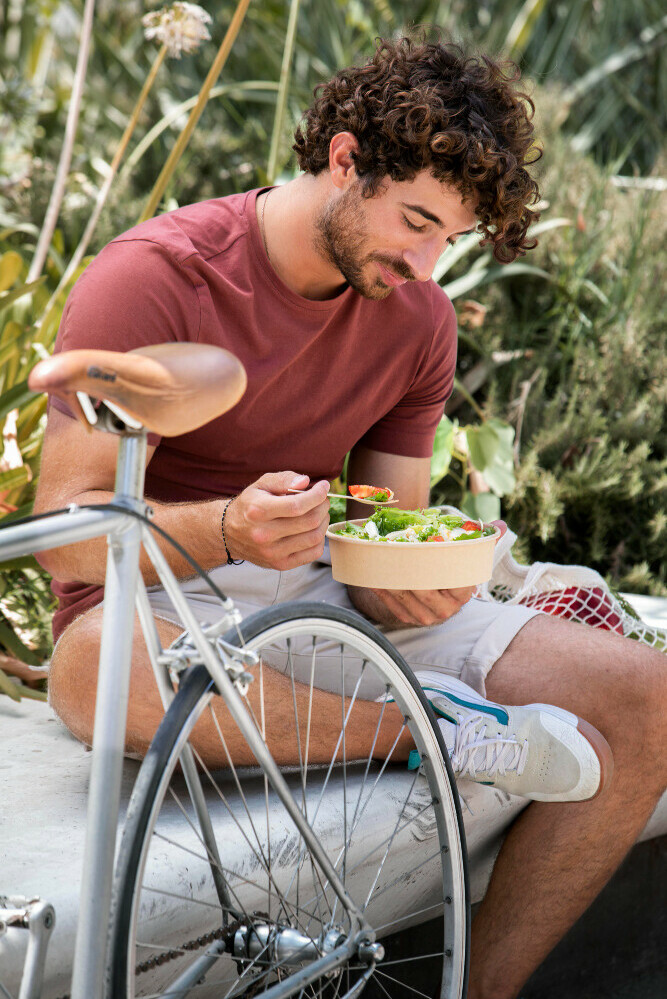
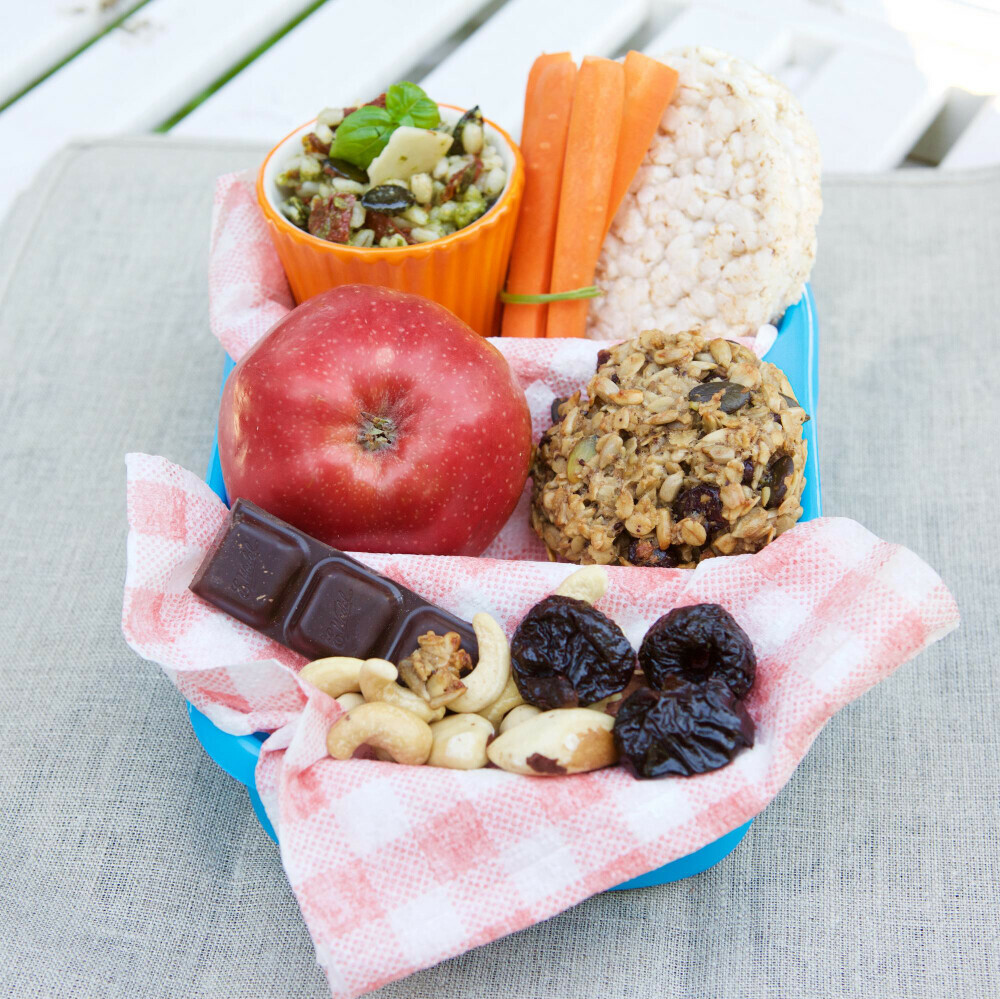 Don’t overlook the value of snacks that don’t require refrigeration. Whole grain crackers and nut butter give you a satisfying crunch and sustained energy. Pre-packed vegetable sticks or dried seaweed are other excellent choices, as they offer both nutrients and ease of transport.




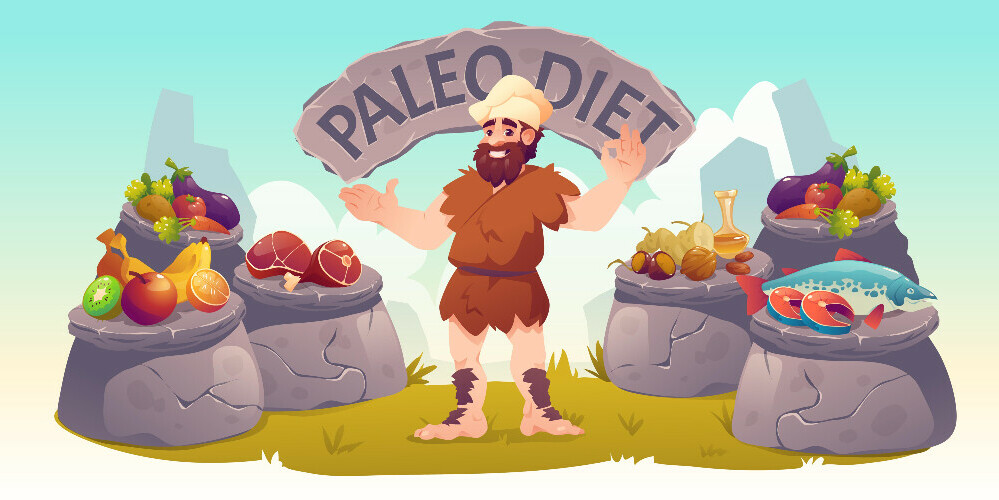
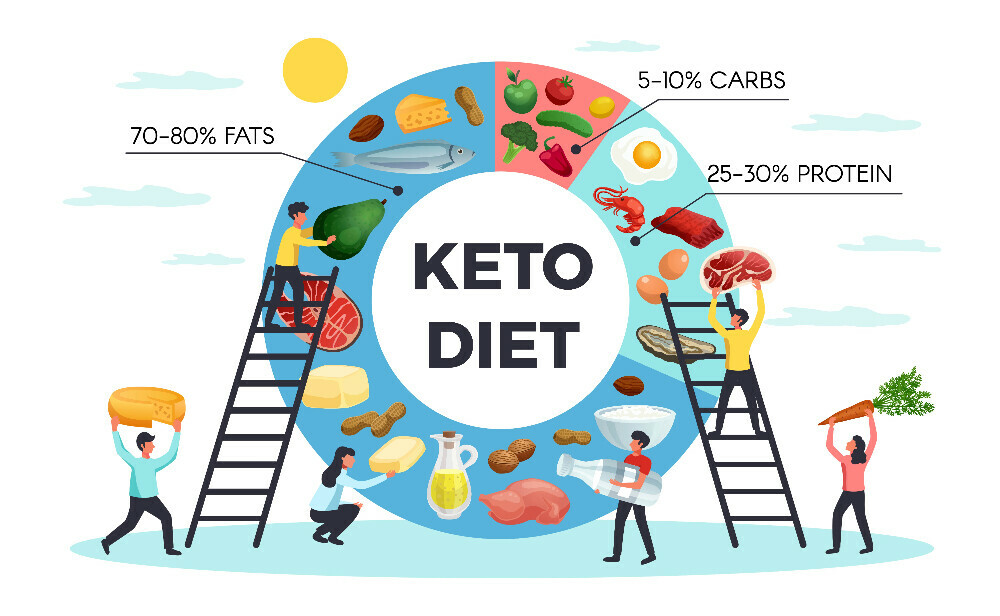
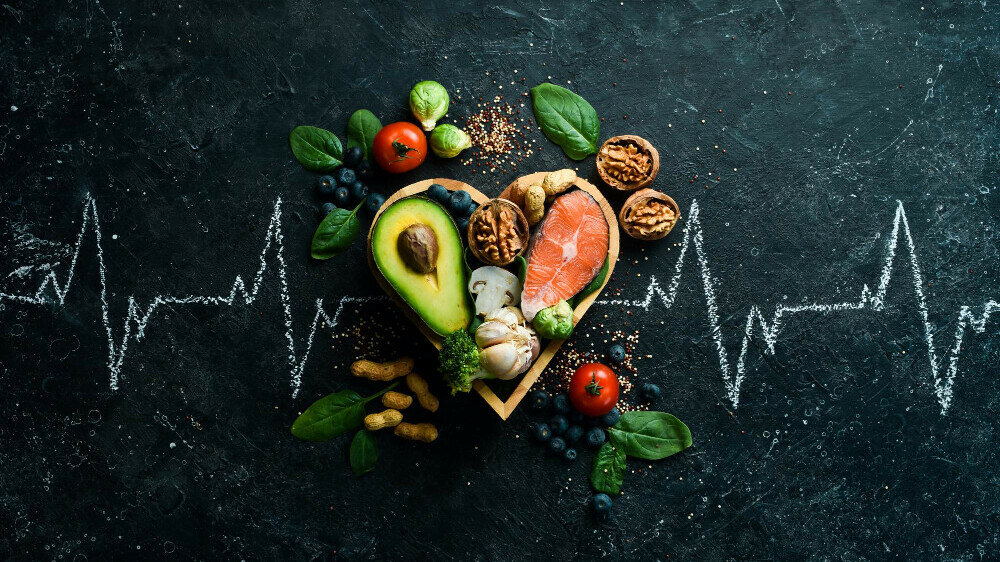
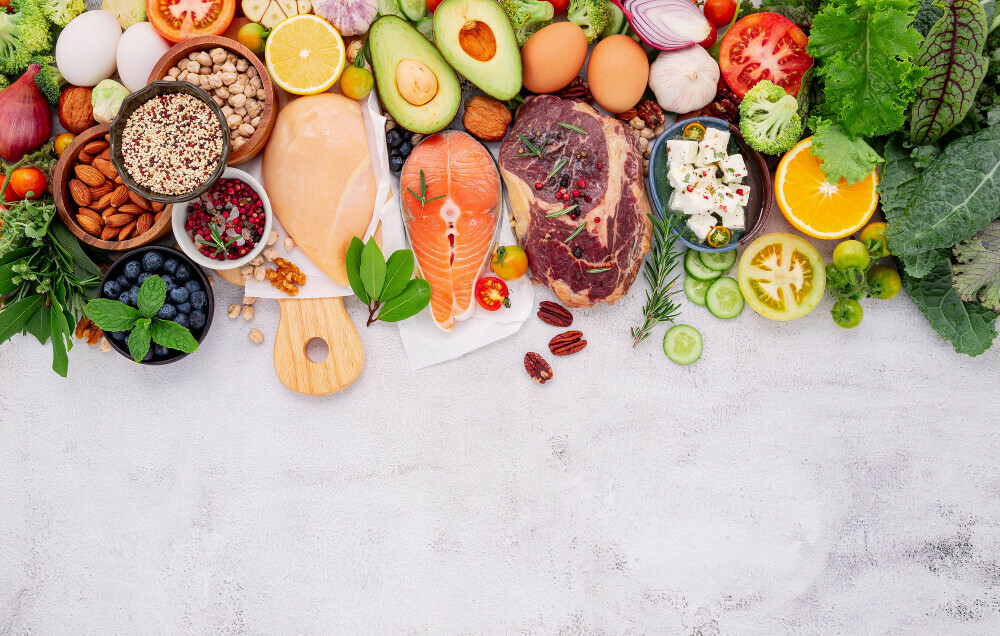

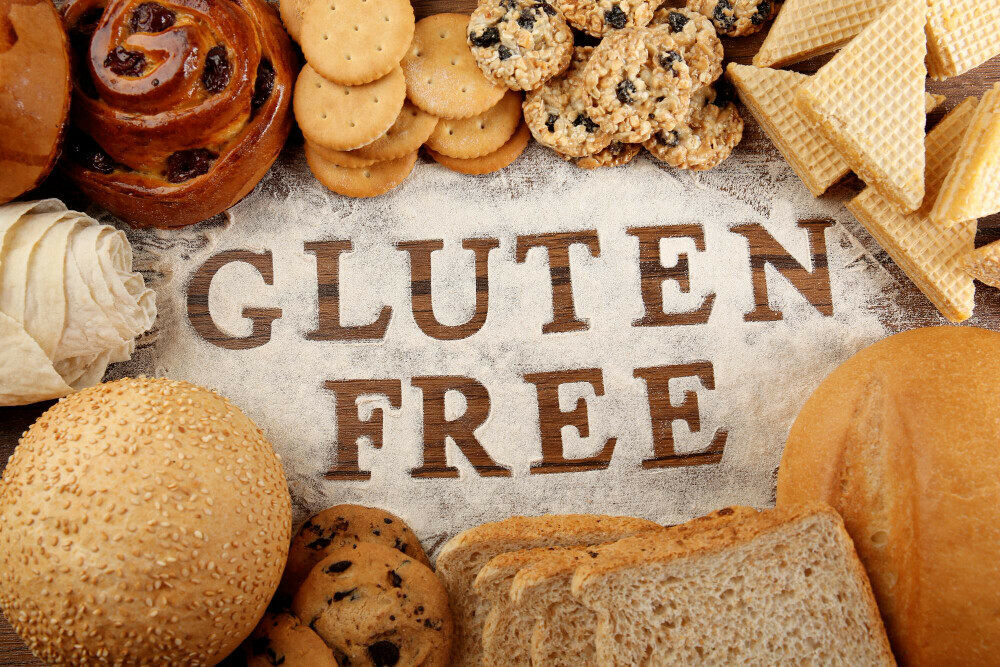


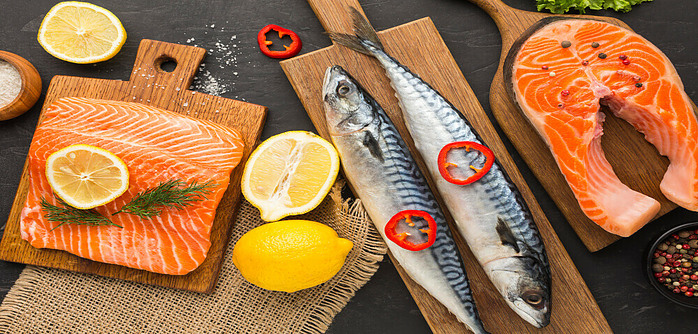
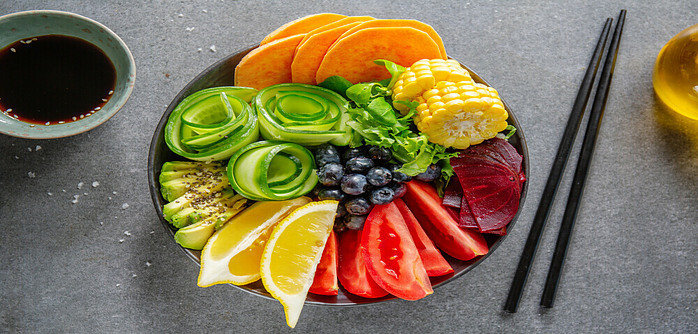
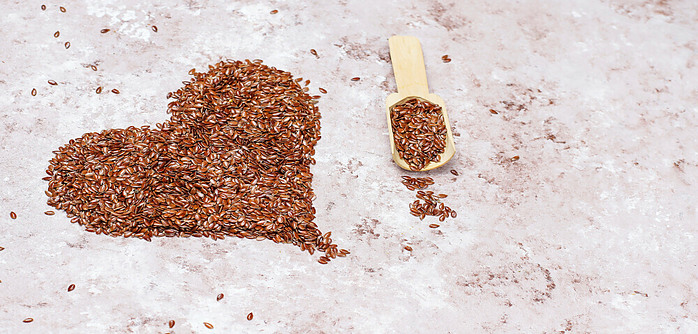





 ,
,
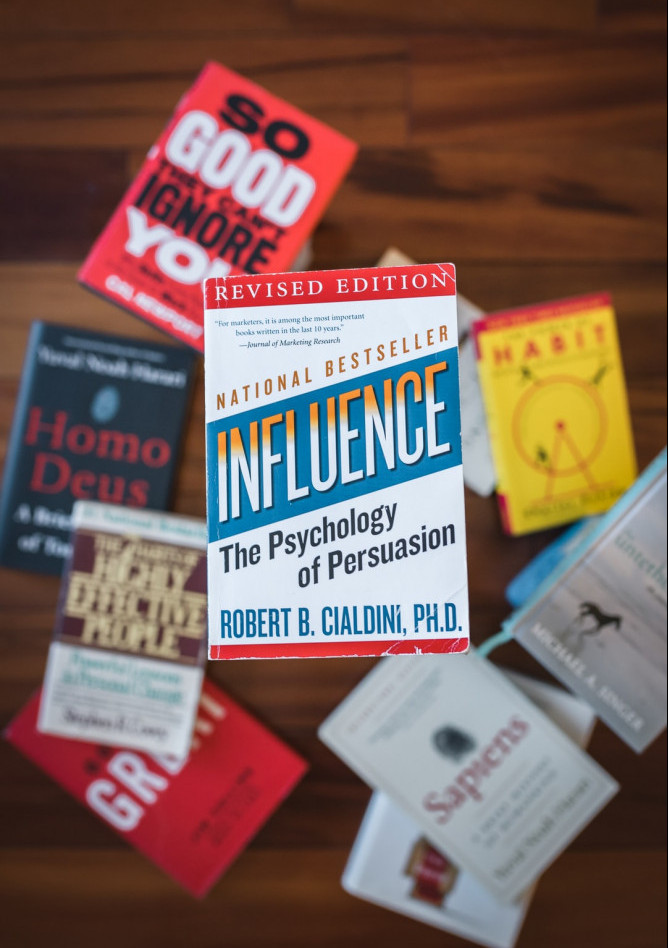
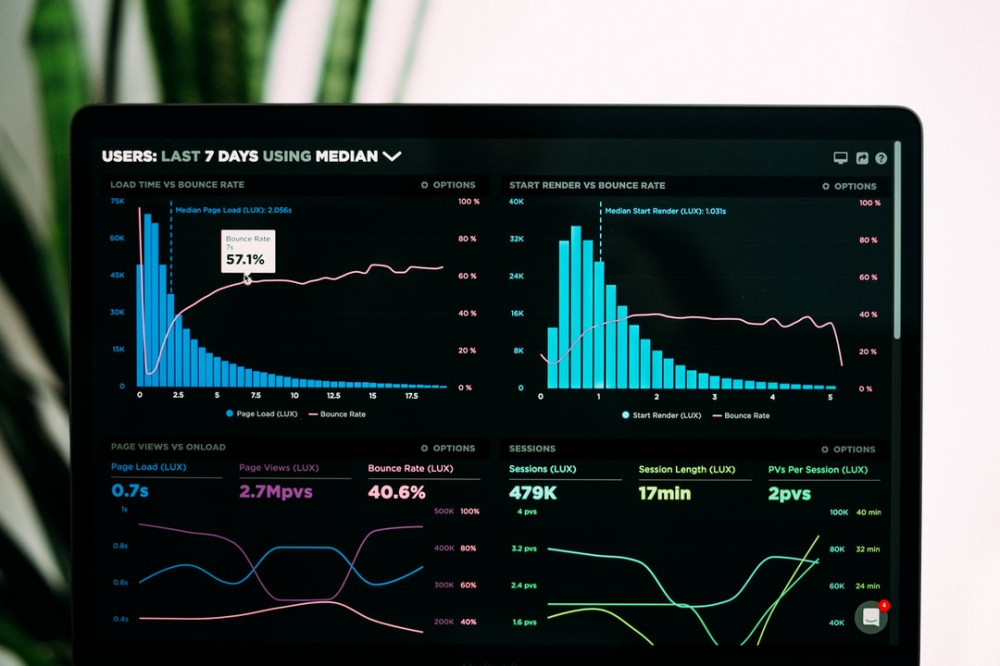

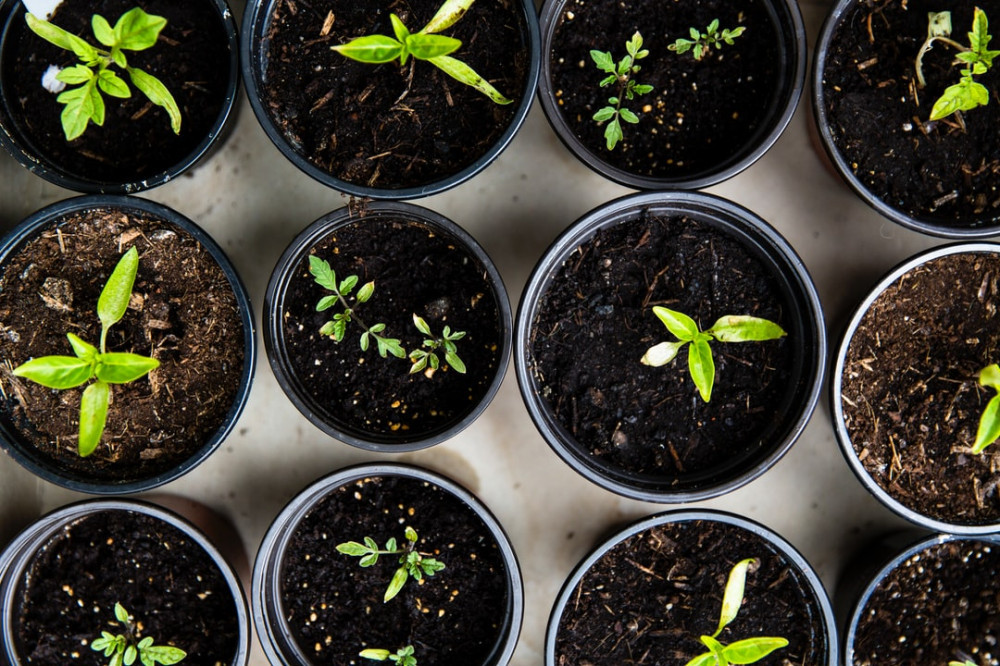





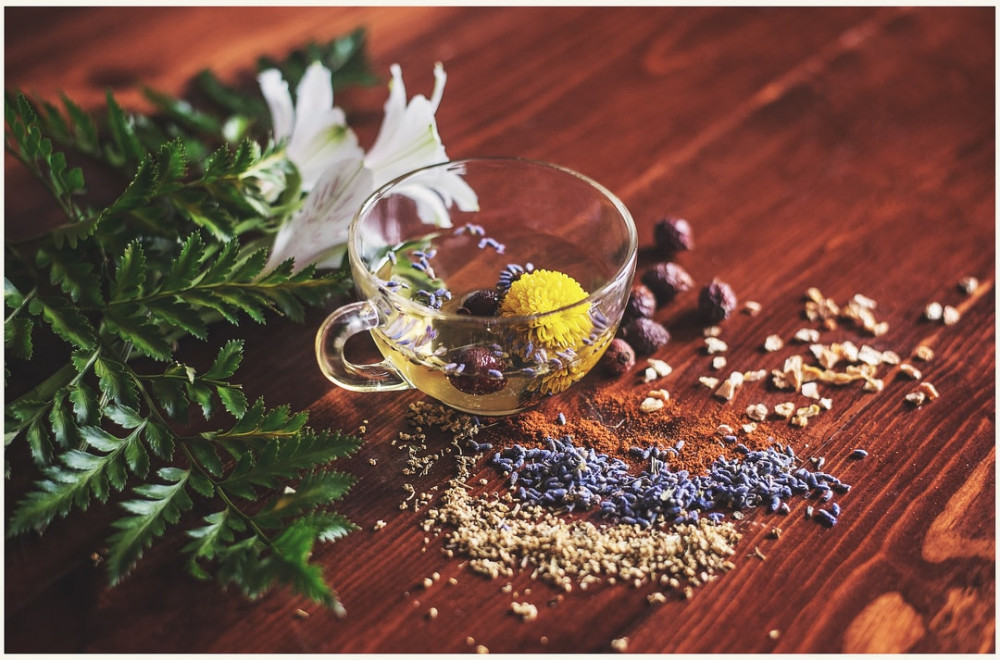

 I became aware of HeartMath nearly 20 years ago and soon after began using their products. Back in the day, they had a finger sensor that connected to your computer and monitored your heart rate variability putting it up on the screen in graphic form. At the time was doing this but only intermittently and would let it go for months at a time. When Covid arrived on the doorstep the stress and anxiety mounted. I touched on HeartMath when I wrote another post about